
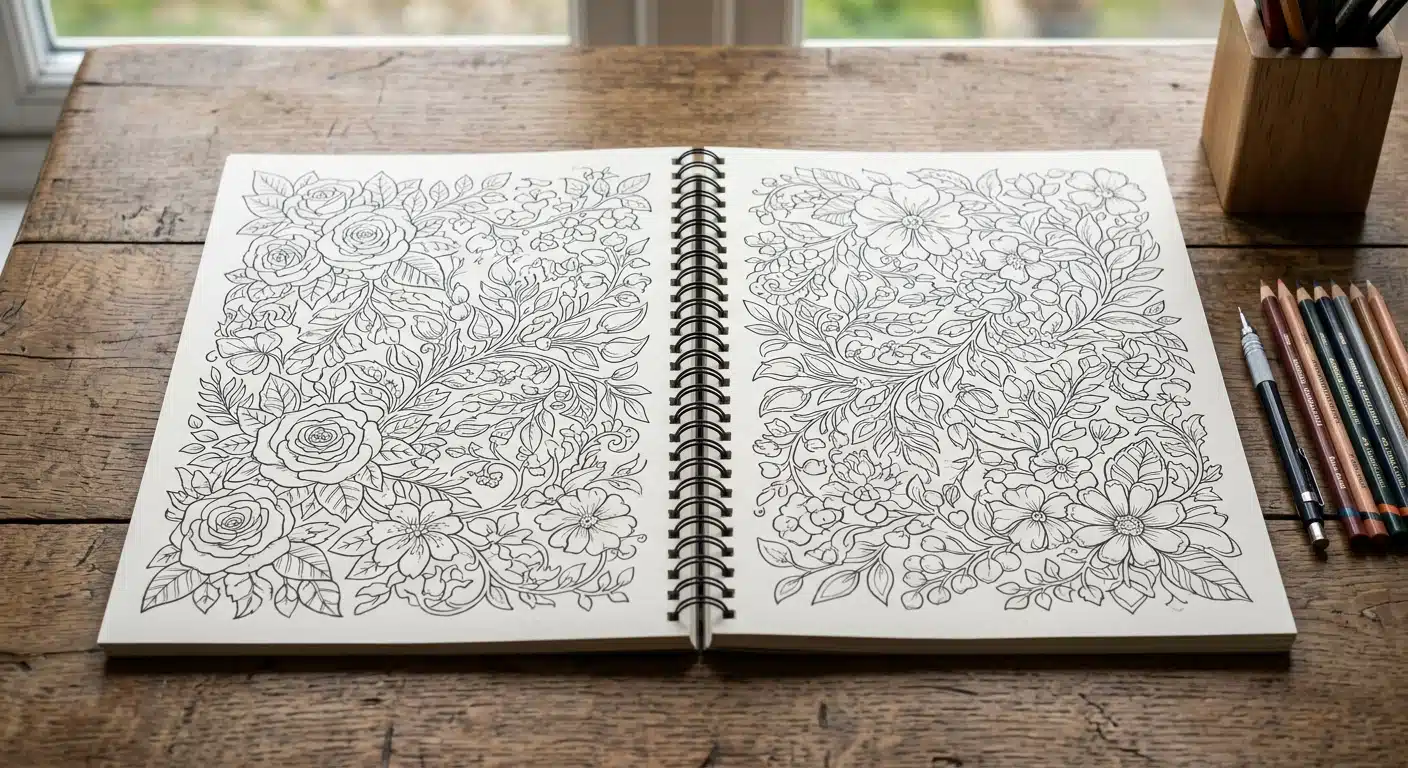
The Business of Custom Coloring Book Printing
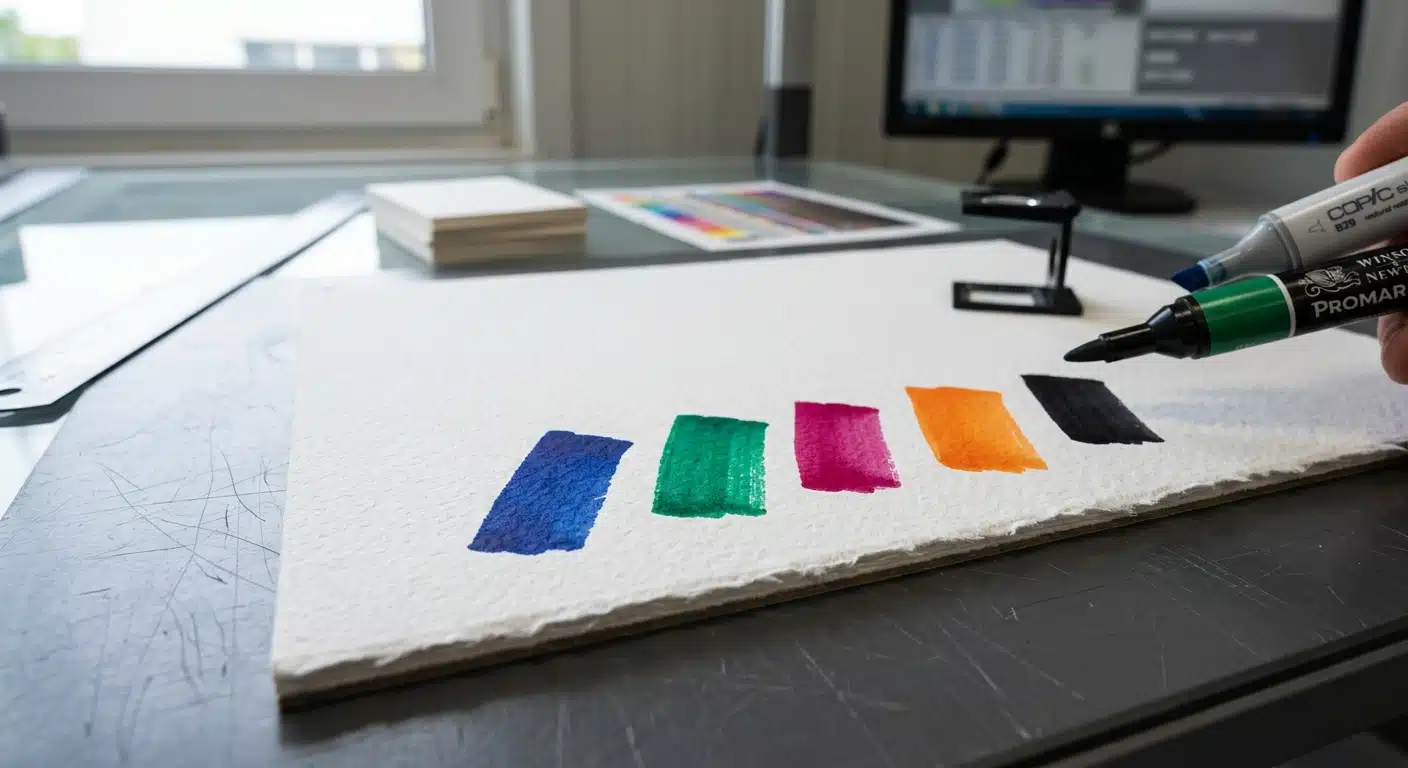
For independent publishers, the market for both children’s and adult coloring books remains highly lucrative. However, consumer expectations have evolved. Today’s buyers demand premium user experiences—pages that don’t bleed when using markers, and books that lay perfectly flat so artwork isn’t distorted by the spine.
Success in custom coloring book printing hinges entirely on two critical manufacturing decisions: your choice of paper and your binding method. Ordering bulk coloring books without understanding the technical specifications of uncoated paper or lay-flat binding can result in negative reviews, returns, and unsold inventory.
This guide provides a comprehensive breakdown of paper weights, absorption characteristics, and binding techniques to help publishers make informed procurement decisions.
Selecting the Best Coloring Book Paper
The core of any coloring book is its paper. Unlike standard reading books or catalogs, coloring books require a substrate that actively interacts with various mediums: colored pencils, crayons, gel pens, water-based markers, and heavy alcohol markers.
Why Heavy Uncoated Paper is Essential
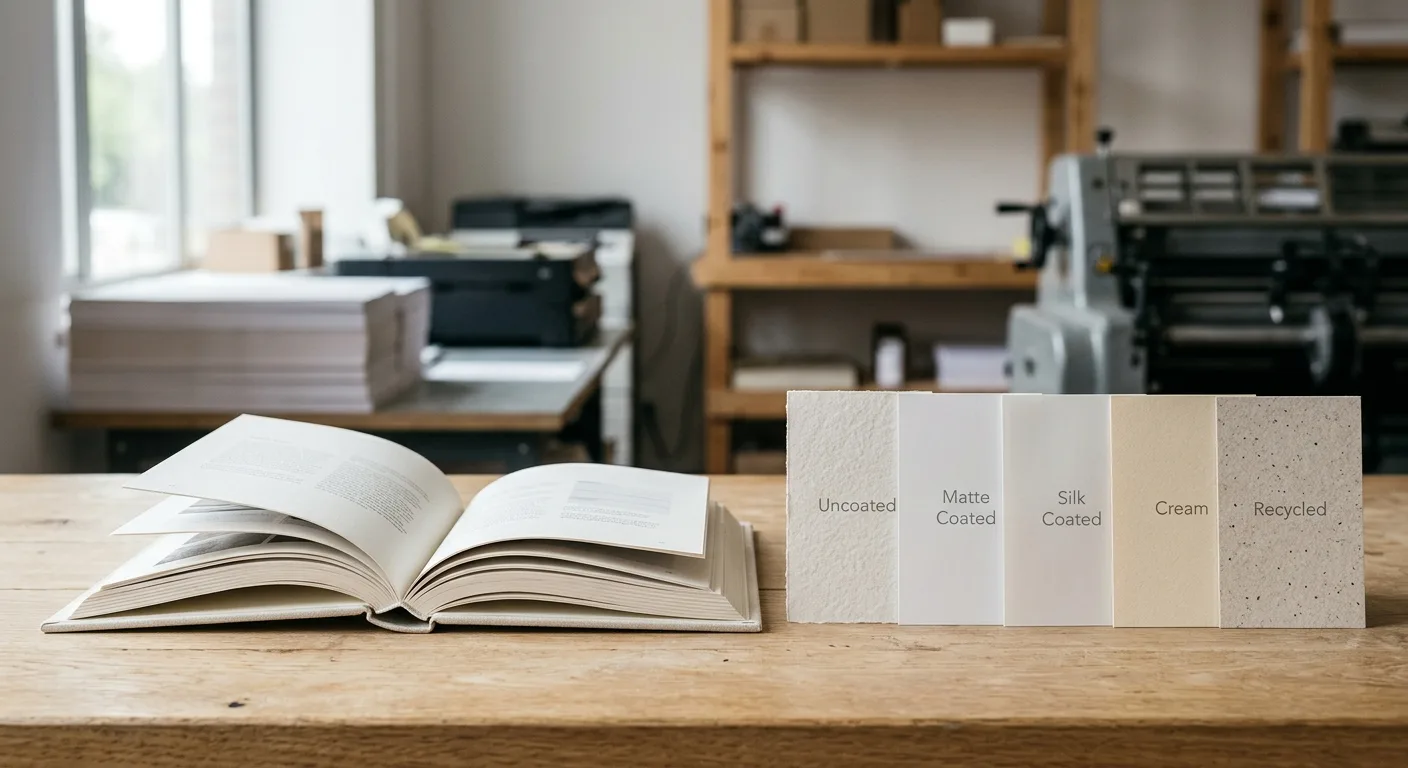
Never use coated paper (gloss or matte) for coloring books. Coated papers have a sealed surface that prevents ink absorption, causing markers to smear and pool. Furthermore, coated paper lacks “tooth”—the microscopic surface texture required to grip the graphite or wax from colored pencils.
Uncoated paper (often referred to as uncoated woodfree or offset paper) is the industry standard. It provides the necessary texture for pencils and the porosity needed for marker absorption. However, standard 80gsm (54lb text) uncoated paper is too thin and will result in severe bleed-through and page wrinkling.
Recommended Paper Weights for Coloring Books
To ensure a premium feel and prevent medium bleed, independent publishers should specify heavier paper stocks:
- 100gsm to 120gsm (70lb to 80lb Text): The standard for high-quality children’s coloring books and entry-level adult coloring books. It handles colored pencils, crayons, and light gel pens perfectly. Minor shadowing may occur with heavy markers.
- 140gsm to 160gsm (95lb to 110lb Text): The premium standard for artist-grade coloring books. This heavy uncoated paper offers excellent marker absorption and structural integrity, significantly reducing the risk of bleed-through from water-based markers.
- 180gsm+ (Cardstock weights): Reserved for luxury, single-sided artist editions where users might employ watercolors or heavy alcohol-based copic markers.
Single-Sided vs. Double-Sided Printing
Even with heavy 160gsm paper, aggressive alcohol-based markers can still bleed through. If your target market uses heavy markers, the best design choice is single-sided printing (leaving the back of each illustration blank). If you must print double-sided to save on page count, you must use a minimum of 140gsm uncoated paper and advise users to place a blotter sheet behind the page they are coloring.
Top Lay-Flat Binding Options
A coloring book that snaps shut while a user is trying to color near the gutter is a frustrating experience. Lay-flat binding is non-negotiable for premium custom coloring book printing.
1. Wire-O Binding (Double Loop Wire)
Wire-O binding is widely considered the best option for coloring books. A double-loop metal wire is threaded through punched holes along the spine.
- Pros: Allows the book to open exactly 360 degrees, folding completely back on itself. It provides a 100% flat surface, making it incredibly easy to color edge-to-edge.
- Cons: Lacks a printable spine for retail shelving.
2. Smyth Sewn (Sewn Perfect Binding)
If you need a traditional, retail-ready book with a printed spine, standard EVA perfect binding will not work—the pages will fall out if forced flat. Instead, specify Smyth Sewn binding.
- Pros: Pages are physically sewn together in signatures (sections) before being glued to the cover. This allows the book to open much flatter than standard perfect binding and ensures exceptional durability. Features a printable spine for bookstore distribution.
- Cons: Slightly higher manufacturing cost; doesn’t fold 360 degrees like Wire-O.
3. Spiral Binding (Plastic Coil)
Similar to Wire-O, but uses a continuous plastic coil.
- Pros: Excellent lay-flat capabilities (360-degree fold). Plastic coils are highly durable and crush-resistant, making them ideal for children’s coloring books.
- Cons: Can look slightly less premium than metal Wire-O; no printable spine.
Comparison Table: Coloring Book Binding Methods
| Binding Method | Lay-Flat Capability | Printable Spine | Best Use Case |
|---|---|---|---|
| Wire-O | Excellent (360°) | No | Premium adult coloring books, artist editions |
| Smyth Sewn | Very Good (180°) | Yes | Retail bookstore distribution, high page counts |
| Spiral (Coil) | Excellent (360°) | No | Children’s books, educational workbooks |
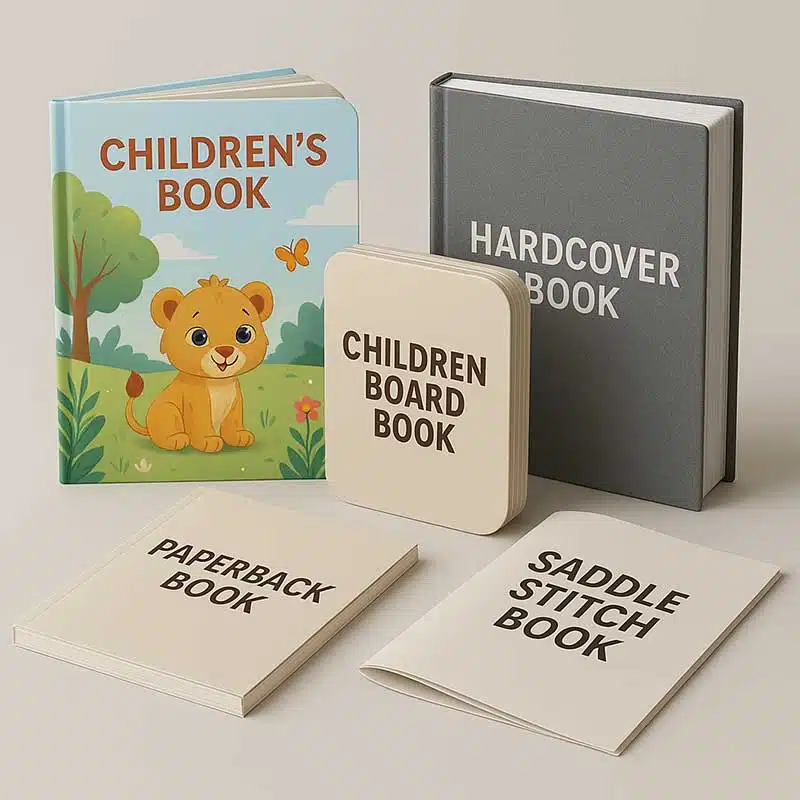
| Saddle Stitch | Good (180°) | No | Low page count (under 48 pages), promotional items |
Manufacturing and File Preparation Considerations
When preparing your artwork for commercial bulk printing, technical precision is vital:
- Vector Artwork: Whenever possible, submit line art as vector files (PDF/AI) rather than raster images (JPEG/PNG). Vector lines print infinitely sharp, whereas raster images can look pixelated or blurry at the edges.
- Color Space: All black line art should be set to 100% K (Black) in the CMYK color space. Do not use “Rich Black” (a mix of CMYK) for coloring book lines, as slight misregistrations on the printing press can cause a blurry, multi-colored halo effect around your lines.
- Cover Finishes: While the interior pages must be uncoated, your cover should be highly durable. We recommend a 250gsm to 300gsm C1S (Coated One Side) cardstock with a matte or gloss lamination to protect against handling and moisture. Soft-touch lamination with spot UV can add a premium tactile feel.
Bulk Ordering Guide for Independent Publishers
Navigating the procurement process for bulk coloring books requires understanding a few commercial standards:
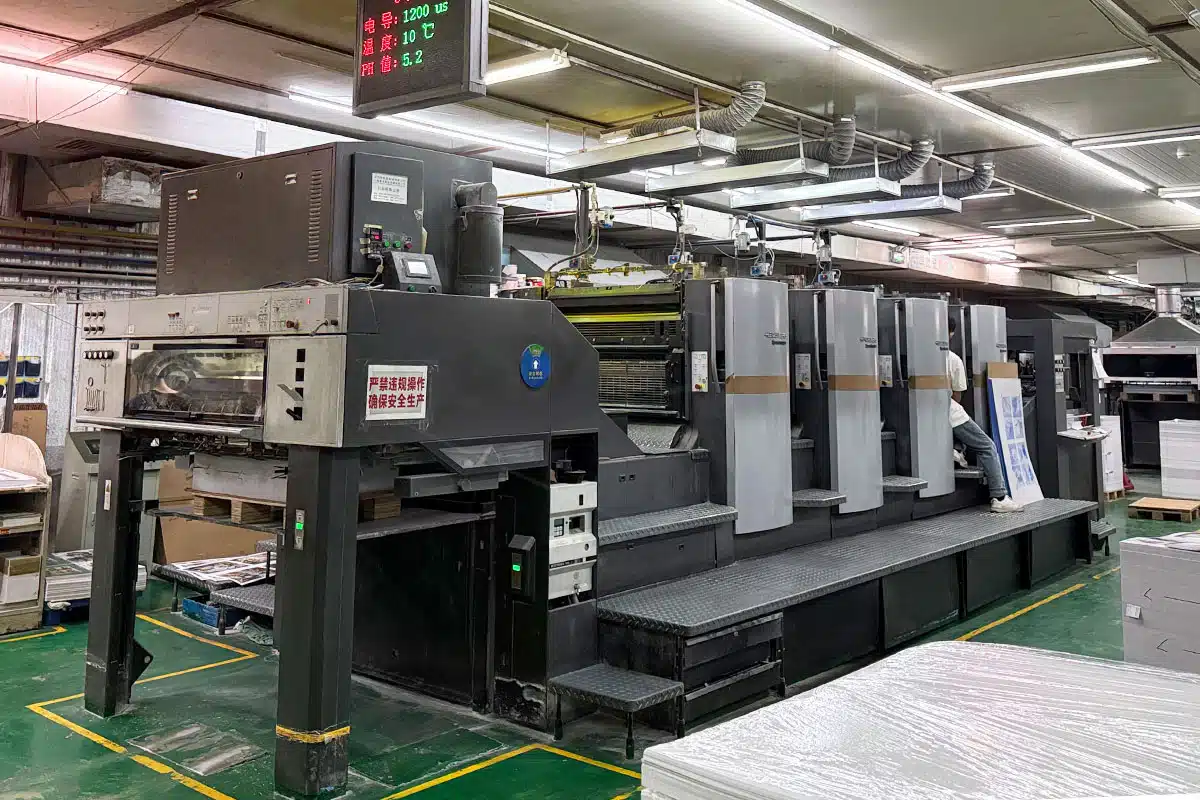
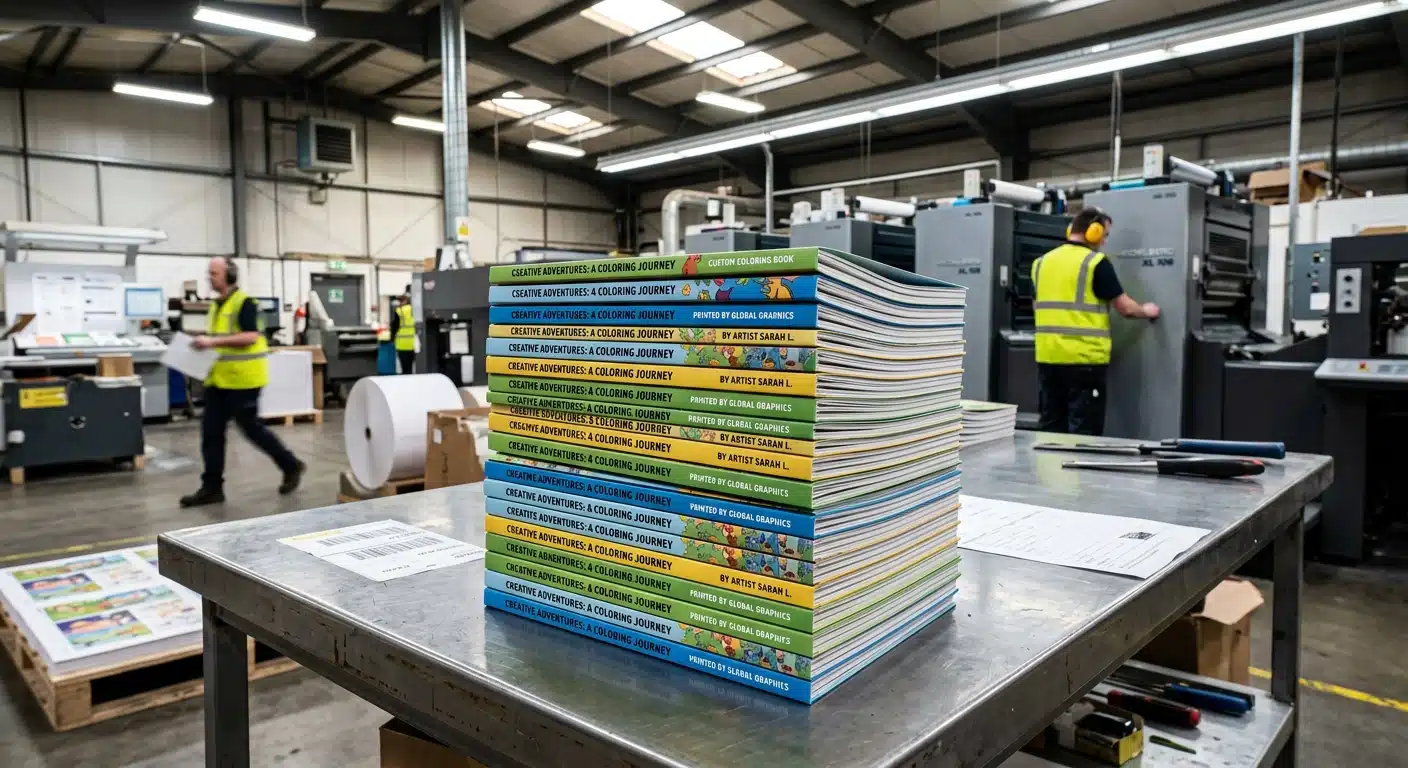
- Minimum Order Quantities (MOQs): While digital printing allows for short runs, true offset printing (which provides the best unit economics for publishing) typically requires an MOQ of 500 to 1,000 units. The cost per book drops significantly at the 2,000+ unit mark.
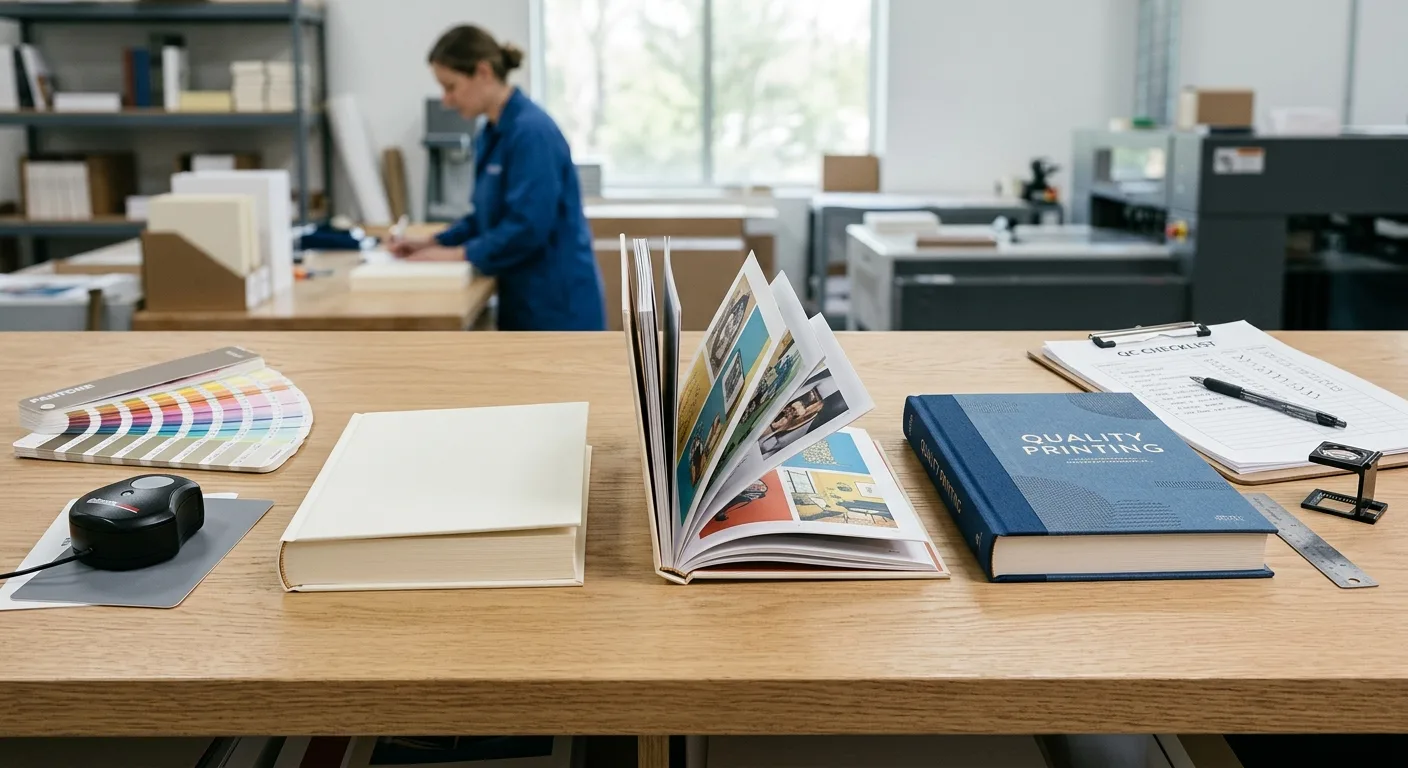
- Sampling: Always request a physical hardcopy proof before full production. Ensure the proof uses the exact uncoated paper stock you specified so you can physically test your markers and pencils on it.
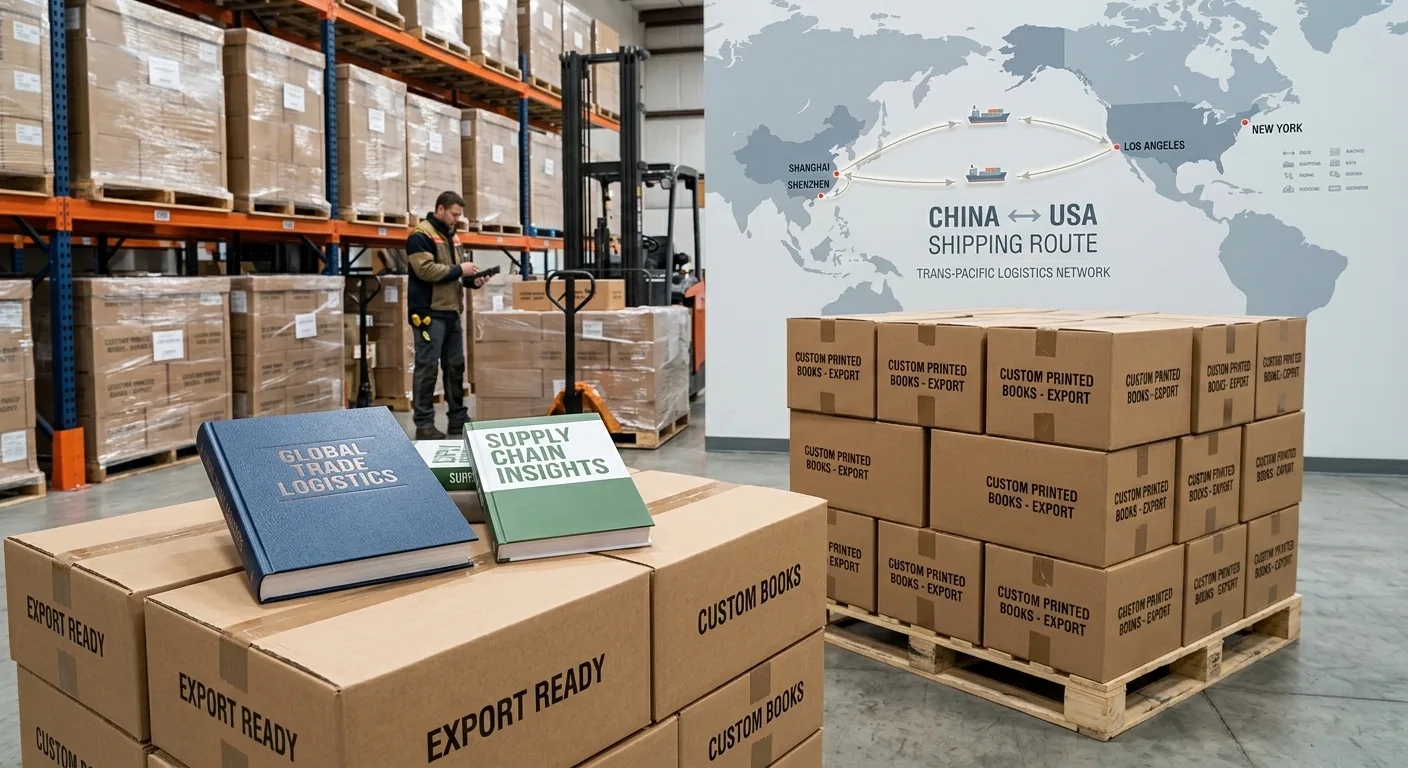
- Production Timelines: Offset printing and specialized binding (like Wire-O or Smyth sewing) take time. Allow 2-3 weeks for production, plus an additional 3-5 weeks for ocean freight if manufacturing internationally.
Frequently Asked Questions (FAQs)
What is the best paper for adult coloring books?
The best paper is a heavy, uncoated woodfree paper, ideally between 120gsm and 160gsm. This weight prevents bleed-through from most mediums while providing the right texture for colored pencils.
Can I use standard perfect binding for coloring books?
It is not recommended. Standard perfect binding uses stiff EVA glue, which forces the book to snap shut. If a user forces it flat, the spine will crack and pages will fall out. Use Smyth Sewn binding instead.
How do I stop alcohol markers from bleeding through?
Alcohol markers are highly aggressive and will bleed through almost any standard paper. The best manufacturing solution is to print your coloring book single-sided on 140gsm+ uncoated paper.
What is the maximum page count for a Wire-O coloring book?
Wire-O can accommodate very thick books, easily handling up to 200+ pages depending on the wire diameter used. However, most coloring books range between 40 and 100 pages for optimal user experience.
Should I use CMYK or Pantone for my cover?
CMYK is the standard and most cost-effective method for printing vibrant, full-color covers. Pantone (PMS) colors should only be used if you have a specific brand color that cannot be accurately reproduced in CMYK, or if you want special metallic inks.
Ready to Print Your Custom Coloring Books?
Partnering with an experienced commercial printer ensures your artwork is showcased on the perfect paper with durable, lay-flat binding. Whether you are launching a new series of adult coloring books or ordering bulk inventory for retail distribution, we can help you optimize your specifications for quality and cost-efficiency.
Request a quote / Get a sample today to start your next publishing project.