
Table des matières
- What Is Hardcover Book Printing?
- Materials Used for a Hardcover Book
- Hardcover Binding Options
- What Affects Hardcover Book Printing Cost?
- Hardcover Book Printing Buyer Checklist
- How to Protect Print Quality Before Production
- Choosing the Right Hardcover Specification
- Conclusion
A practical buyer’s guide to choosing hardcover book materials, binding options and finishes, with the main factors that influence production cost and print quality.
What Is Hardcover Book Printing?
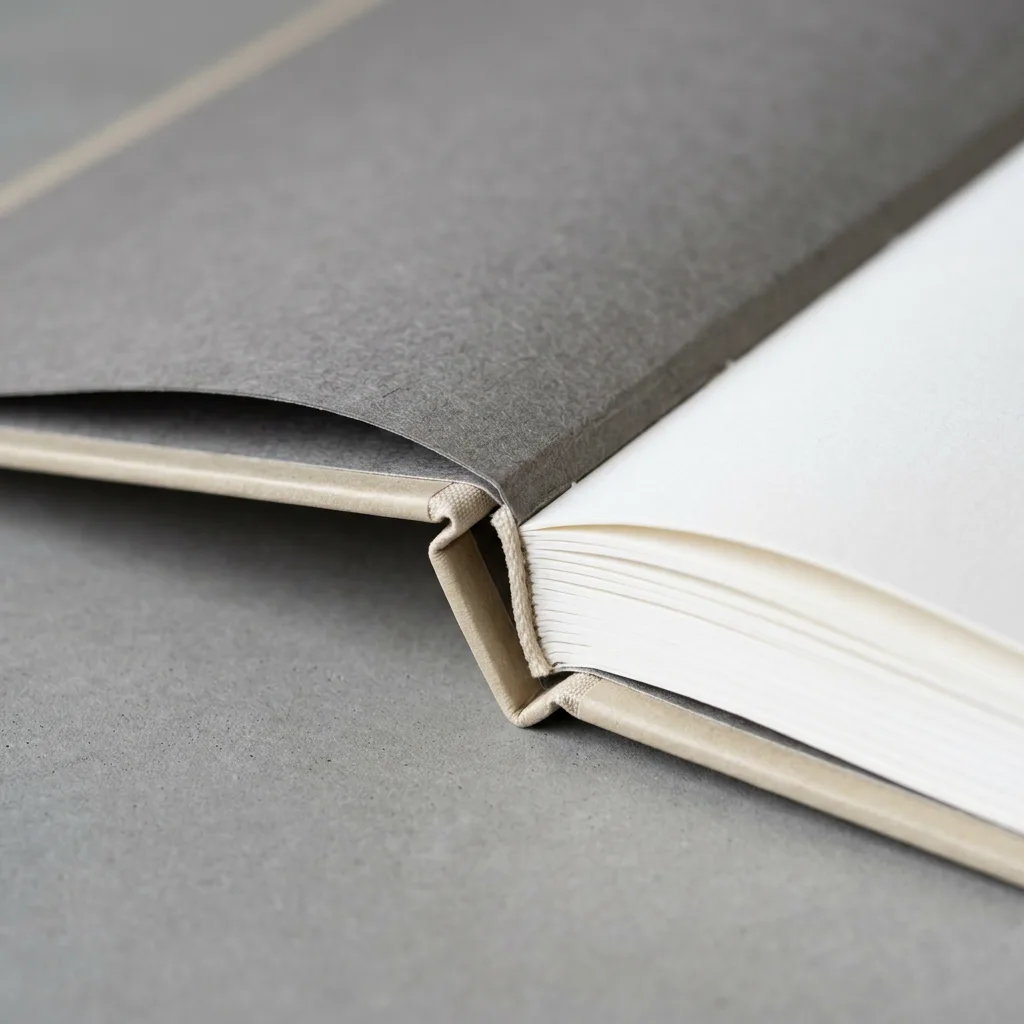
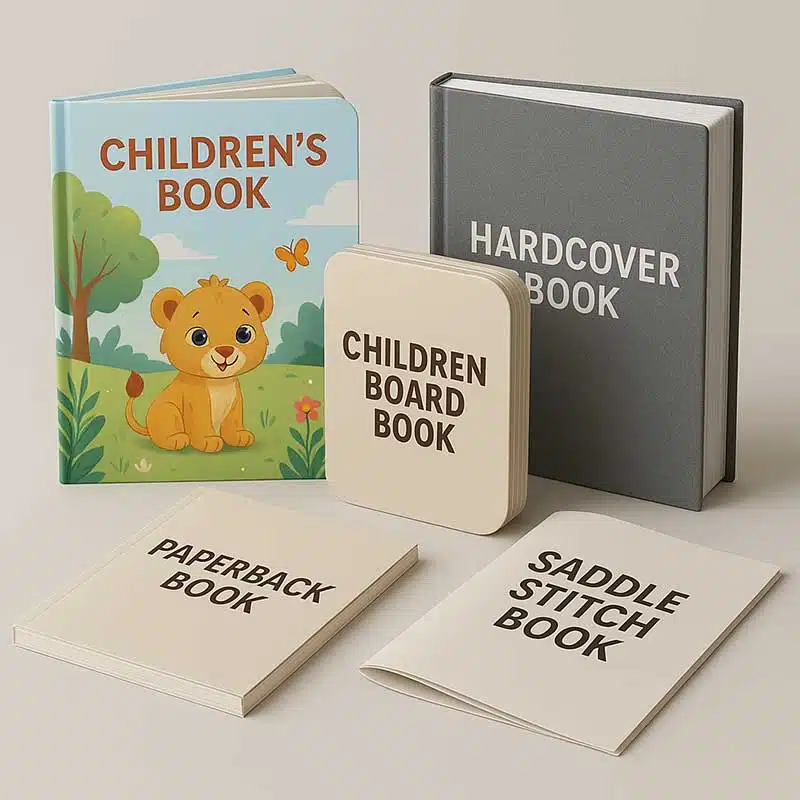
Impression d'un livre relié produces a book with a rigid outer case rather than a flexible paper cover. The printed text block is commonly sewn, glued, or both, then attached to the case with endpapers. This construction suits books that need a durable presentation, such as art books, cookbooks, children’s books, corporate histories, illustrated publications, and premium editions.
For most custom projects, the key decision is not simply whether to use a hard cover. It is how the cover material, board thickness, interior paper, binding method, finishing, page count, quantity, and shipping destination work together. A specification that looks premium on paper can be inefficient if it does not match the book’s content or expected use.
Case binding is the standard construction behind many hardback books. A printed or wrapped cover is mounted to greyboard, and the spine remains distinct from the pages. This gives the book its familiar rigid structure while allowing the text block to open and turn normally.
For a starting point, review the options available for impression personnalisée de livres à couverture rigide and define the book’s purpose before selecting materials.
Materials Used for a Hardcover Book
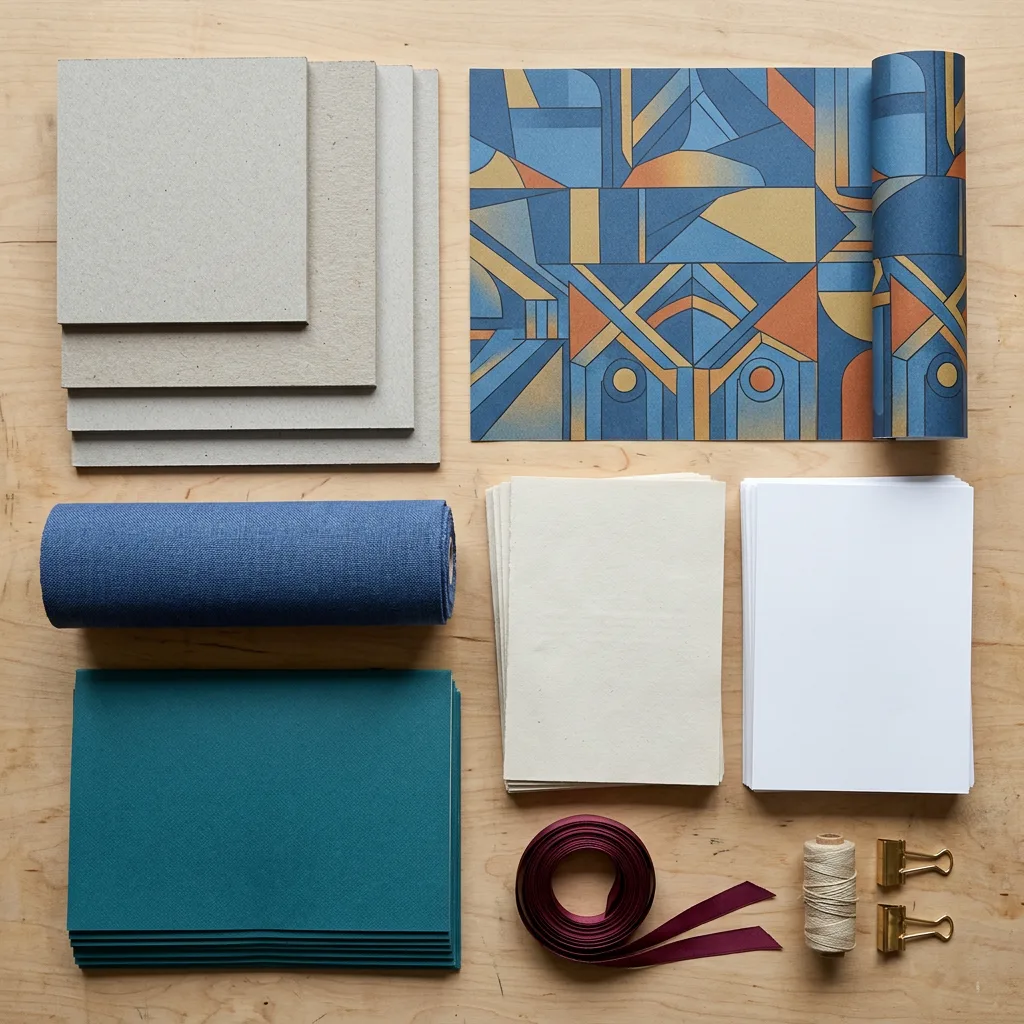
A hard cover is a construction made from several materials, not one sheet of thick paper. Choosing each component deliberately helps balance appearance, durability, handling, and budget.
Cover board and case wrap
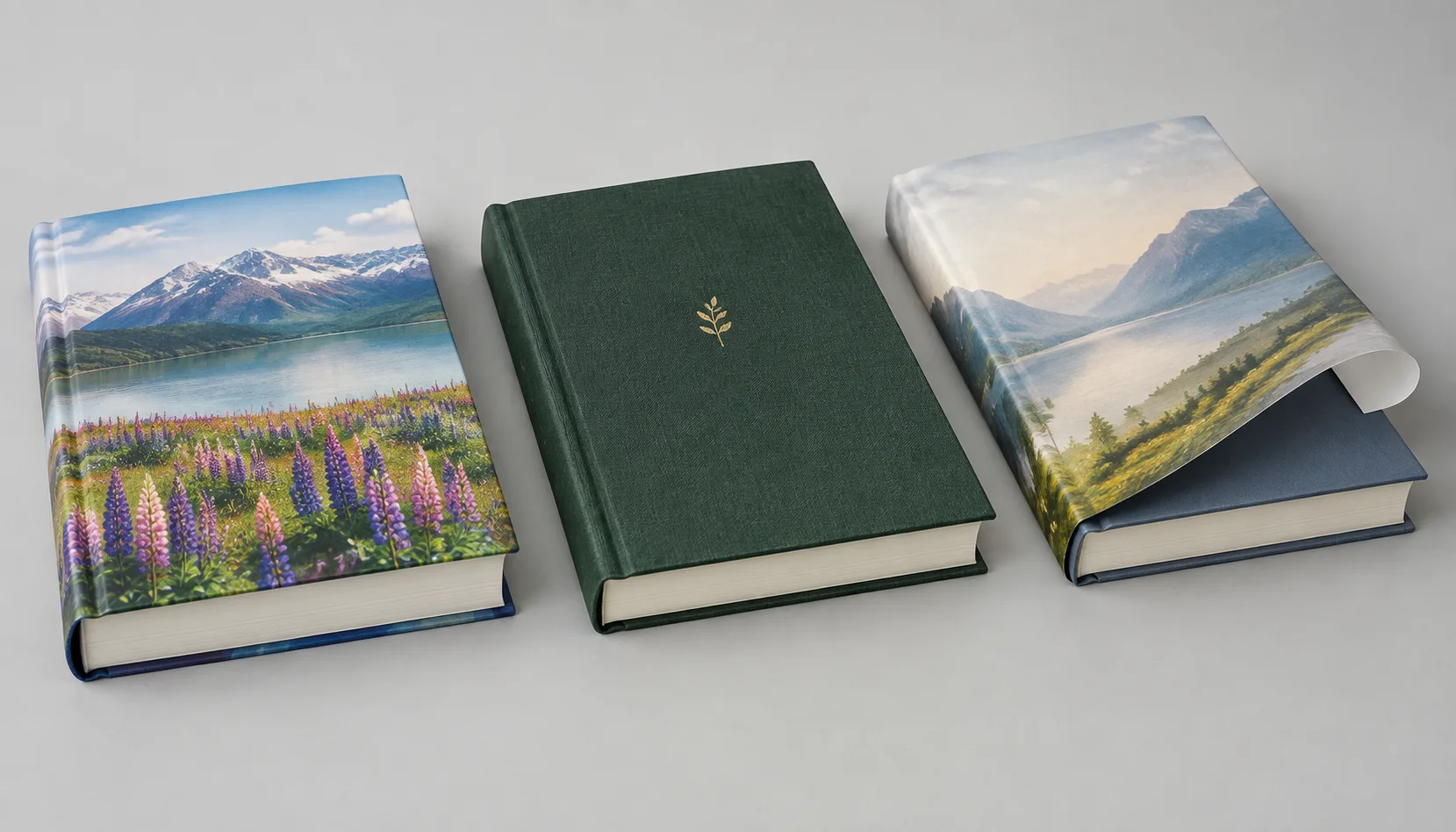
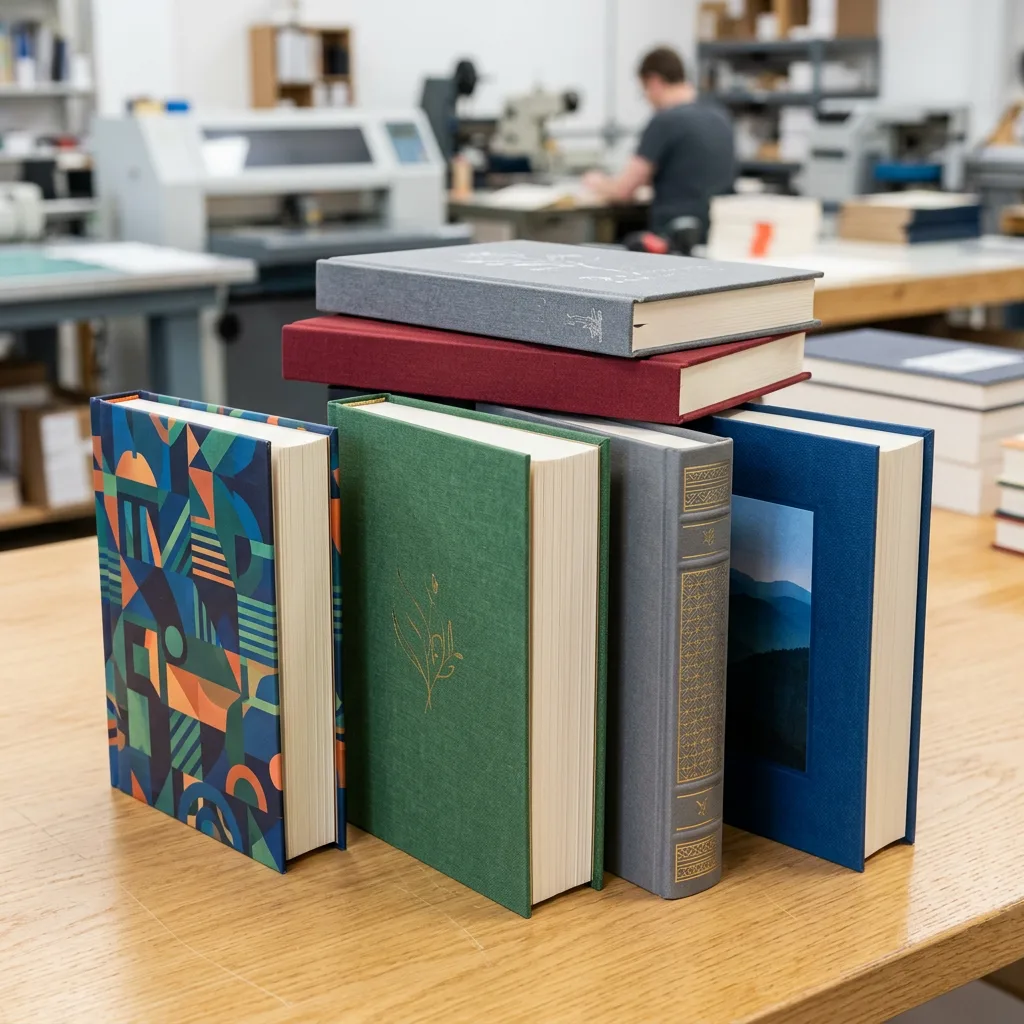
The rigid core is usually greyboard. Thicker board creates a more substantial feel, but it also adds weight and can affect freight cost. The board is wrapped with a printed paper cover, cloth, or a synthetic material such as PU. A printed paper wrap is versatile for full-colour artwork, while cloth and faux leather can suit more tactile or gift-oriented editions.
A cloth-bound hardcover coffee table book is a relevant reference when texture and a restrained premium presentation are central to the design. For journals, a faux leather hardcover journal shows how a PU cover can be combined with decorative foil details.
Interior paper
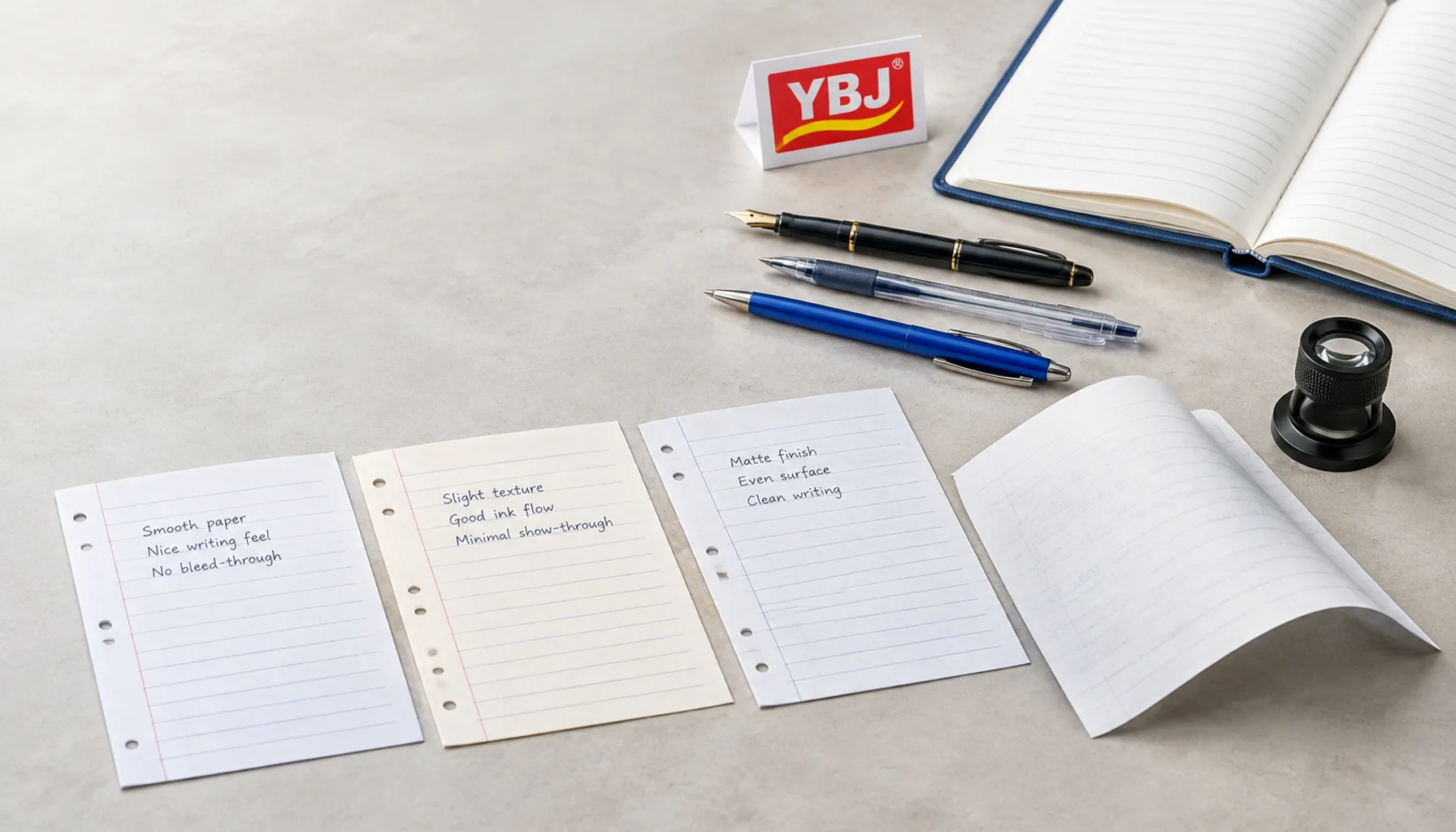
Interior paper should match the content. Uncoated paper is often selected for reading-focused books, writing spaces, and a natural feel. Gloss or matt coated paper is commonly used for photographs, illustrations, recipes, and product images because it can reproduce solid colours and fine image detail differently from uncoated stock. Paper weight affects opacity, bulk, page-turn feel, and total book weight.
For a full-colour book, request paper samples or a physical dummy when colour expectations, paper texture, or thickness are critical. Screen previews are useful, but they cannot fully show ink absorption, sheen, or the way images appear under different lighting.
Endpapers, headbands, and optional extras
Endpapers connect the text block to the case. They may be plain, coloured, or printed as part of the book design. Headbands, ribbon markers, dust jackets, slipcases, and elastic closures are optional components that can add functionality or presentation value. Each should serve a clear purpose because they increase material, assembly, and packing requirements.
Hardcover Binding Options
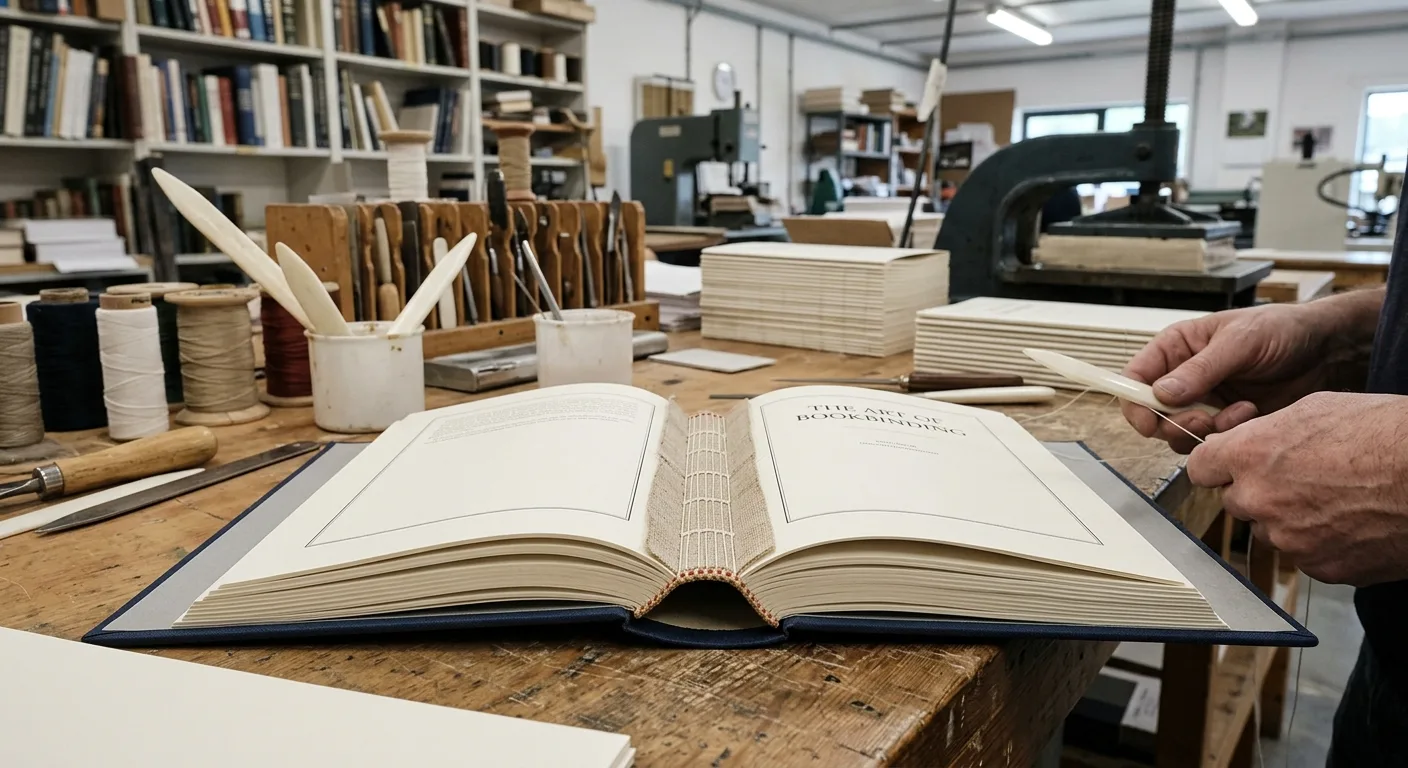
The binding method determines how the pages are gathered, attached, and opened. A standard case-bound book usually has a rounded or square spine, a text block fixed into the case, and hinges at the endpapers. The appropriate method depends on page count, paper type, book dimensions, and how flat the pages need to open.
Smyth-sewn case binding
Smyth sewing joins folded signatures with thread before the text block is cased in. It is commonly considered for books intended for repeated use, substantial page counts, or a traditional book construction. The signatures must be planned correctly in the print file, and the feasible page count depends on format, paper, and production requirements.
Perfect-bound text block in a hard case
Some hardcover books use adhesive binding for the text block before it is attached to the hard case. This can be appropriate for certain page counts and budgets. Adhesive performance depends on the paper, grain direction, spine preparation, glue system, and intended use. Discuss the interior stock early rather than treating binding as a final production detail.
Lay-flat construction
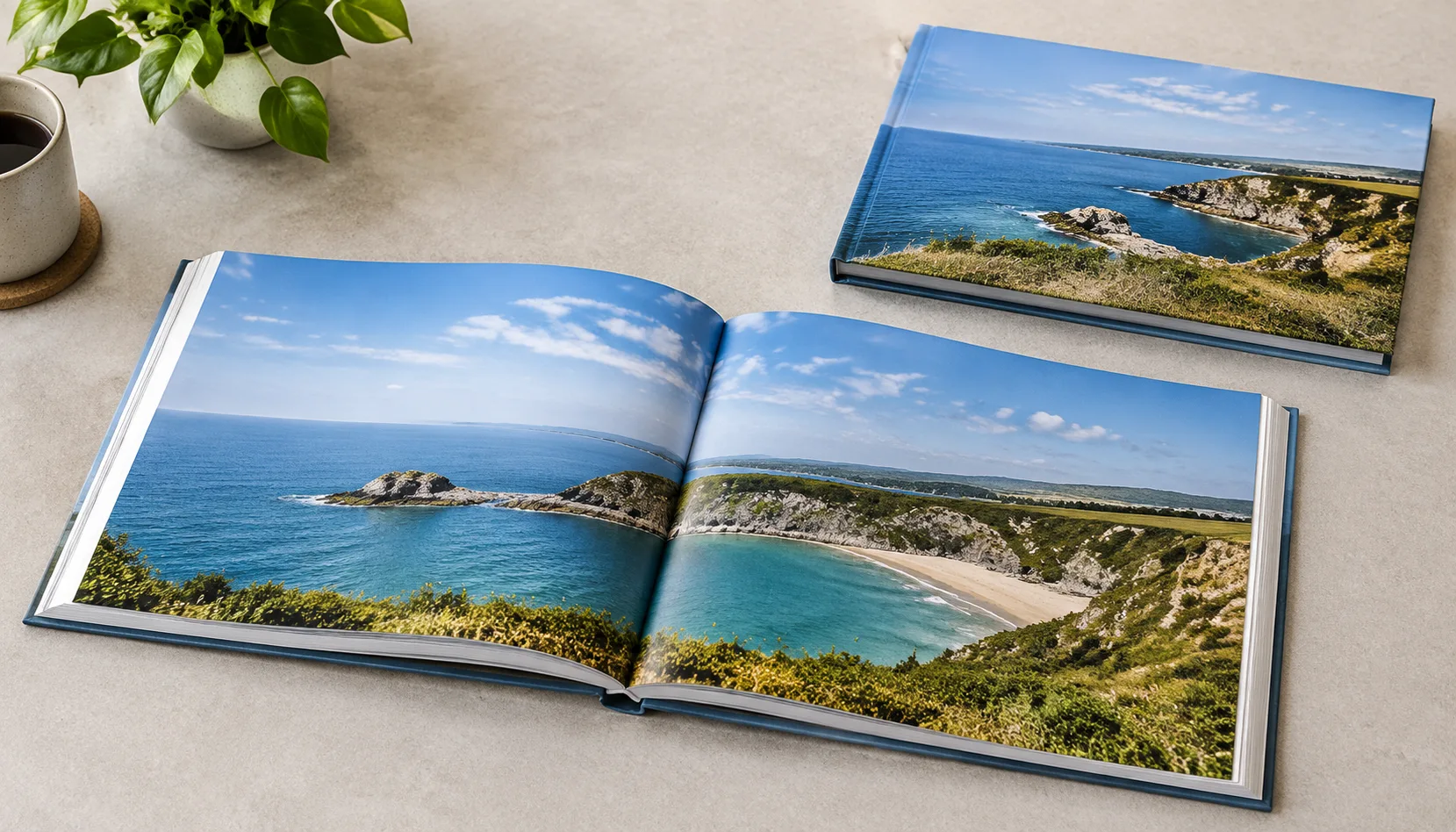
Lay-flat books are designed to reduce image loss across the centre fold. They are especially useful for panoramic photography, portfolios, maps, and design-led spreads. They are not interchangeable with conventional case binding: the construction, page format, paper selection, and pricing approach differ. See this large-format landscape photography book with lay-flat binding for a use case where uninterrupted spreads matter.
What Affects Hardcover Book Printing Cost?
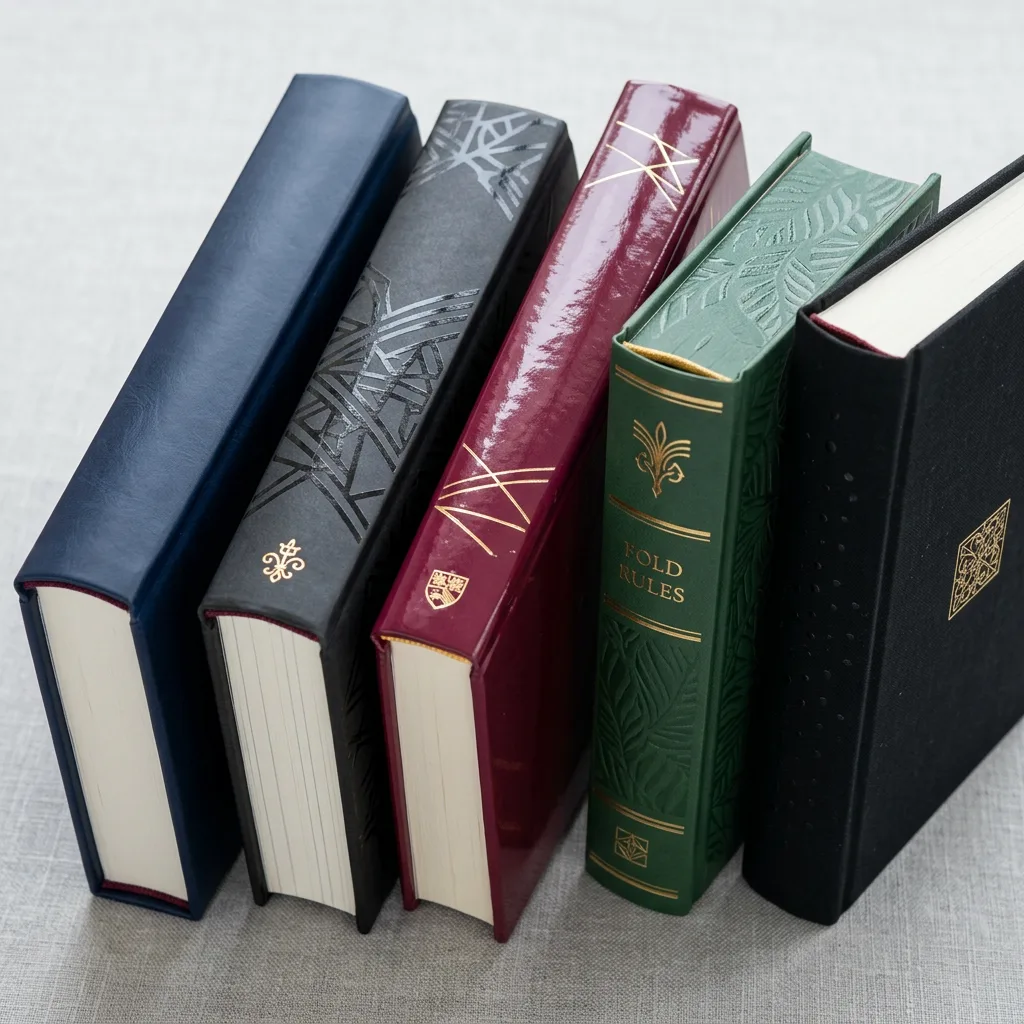
There is no single fixed price for hardcover book printing because a hardback is assembled from multiple printed and non-printed components. The most useful way to control cost is to identify which specification choices are essential to the reader experience and which are decorative preferences.
Quantity and production setup
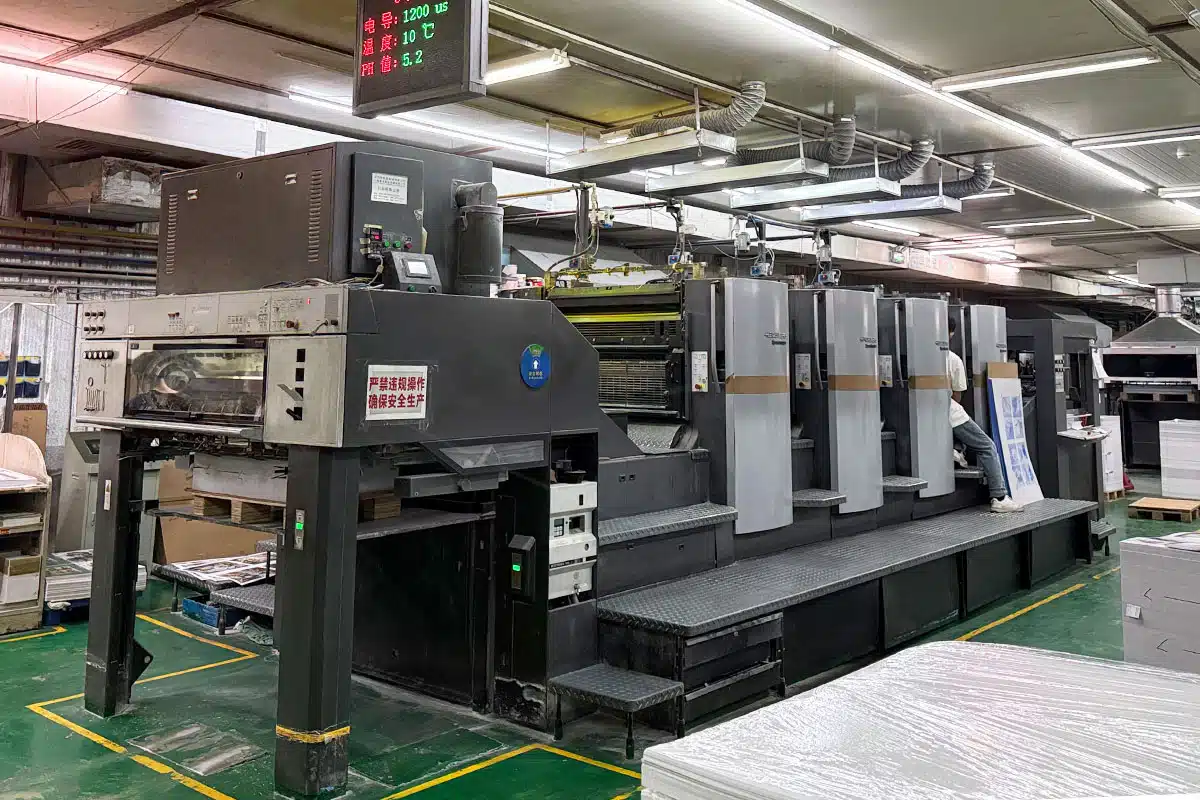
Quantity strongly affects the unit cost because prepress, plate or digital setup, cover production, binding setup, and packing activities are shared across the order. Larger runs may spread these fixed activities over more books, but the best quantity also depends on inventory capacity, cash flow, edition planning, and freight.
Trim size, orientation, and page count
A larger trim size uses more paper, more cover material, and often larger cartons. Page count changes paper consumption, text-block thickness, binding time, and shipping weight. Portrait, landscape, and square books can have different imposition and material efficiencies. Page counts may need to align with the selected printing and binding method, especially for sewn signatures.
Paper, colour coverage, and image requirements
Heavy coated paper, specialty stocks, high ink coverage, spot colours, and demanding image reproduction can change the production cost. A text-heavy black-and-white interior has different needs from a full-colour cookbook or art monograph. For recipe books with colour photography, this example of full-colour hardcover cookbook printing illustrates a specification where cover treatment and image reproduction require careful planning.
Cover finishes and added components
Matt or gloss lamination, spot UV, foil stamping, embossing, debossing, die-cut details, dust jackets, ribbons, and slipcases all add processing or assembly steps. A finish can improve shelf presence or protect a cover, but it should be specified with the cover artwork and production tolerance in mind. Fine type, tight registration, and large solid areas may need special attention.
Packaging and destination country
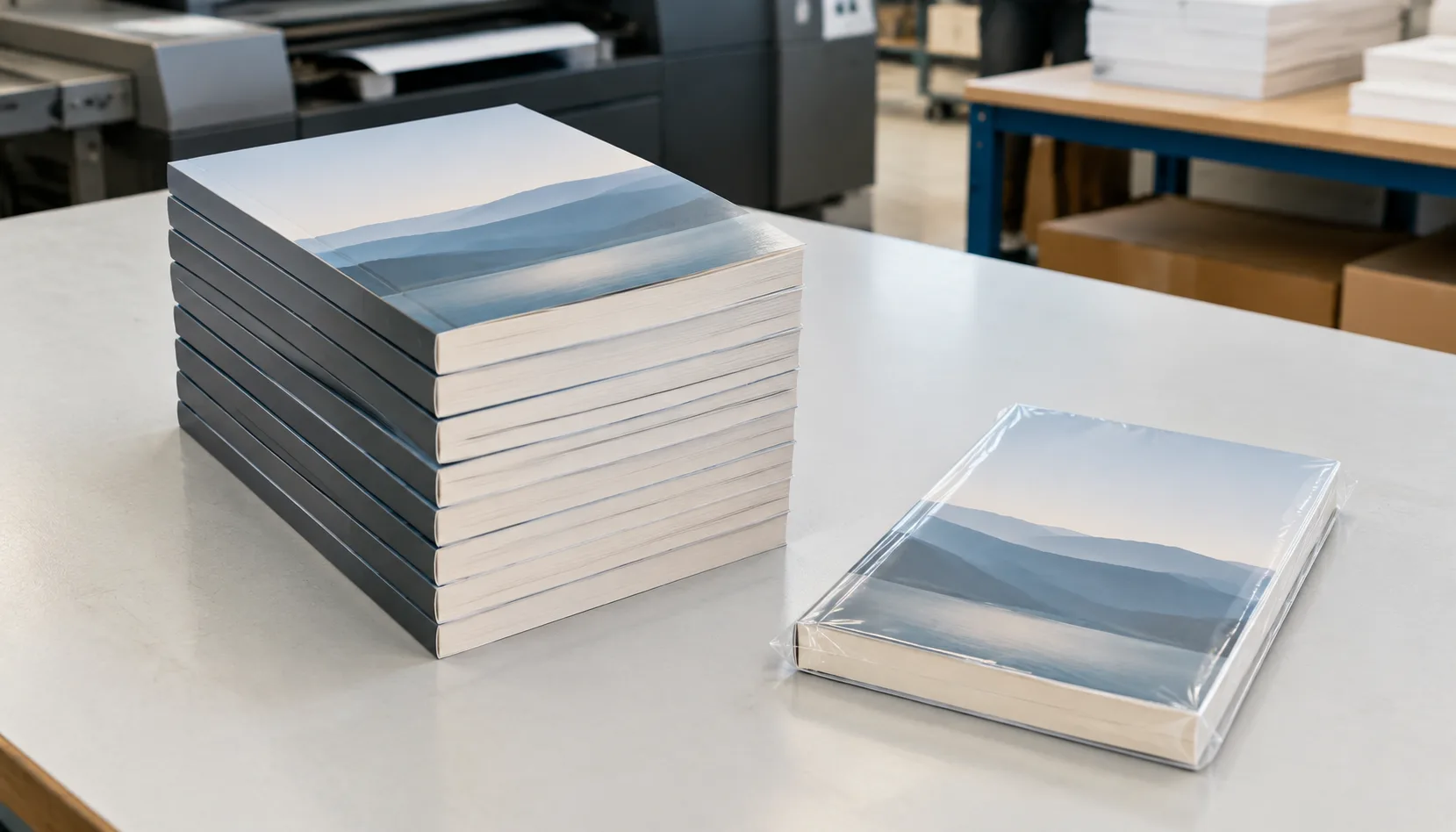
Freight is affected by packed weight, carton dimensions, shipping method, delivery location, and any import requirements applicable to the destination. A thicker board, heavier paper, or a protective slipcase may be worthwhile, but each changes the shipment profile. Quote comparisons should include the same delivery terms and packaging assumptions.
Hardcover Book Printing Buyer Checklist
Prepare the following details before requesting prices or samples. This avoids quotations based on incomplete assumptions and helps a printing supplier recommend a construction that suits the project.
- Product purpose: retail book, portfolio, cookbook, children’s title, notebook, company publication, or gift edition.
- Trim size and orientation: finished width and height, plus portrait, landscape, or square format.
- Nombre de pages : interior pages, whether blank pages are included, and whether spreads must align across the gutter.
- Interior specification: black and white or colour, paper preference, and whether photographs or fine artwork are present.
- Cover construction: board preference, printed paper, cloth, PU, dust jacket, and desired protective finish.
- Préférence de reliure : standard case binding, sewn signatures, adhesive text block, or lay-flat construction.
- Finition : lamination, foil, spot UV, embossing, debossing, ribbon, headbands, or other additions.
- Quantity and destination country: estimated order volume and final delivery location.
- Statut du fichier : print-ready PDF, editable design files, or artwork still in development.
Assumptions that affect price, lead time, or print quality include the final page count, selected paper, colour coverage, binding type, special finishing, approval process, and delivery destination. Confirm these items before treating any quotation as final.
How to Protect Print Quality Before Production
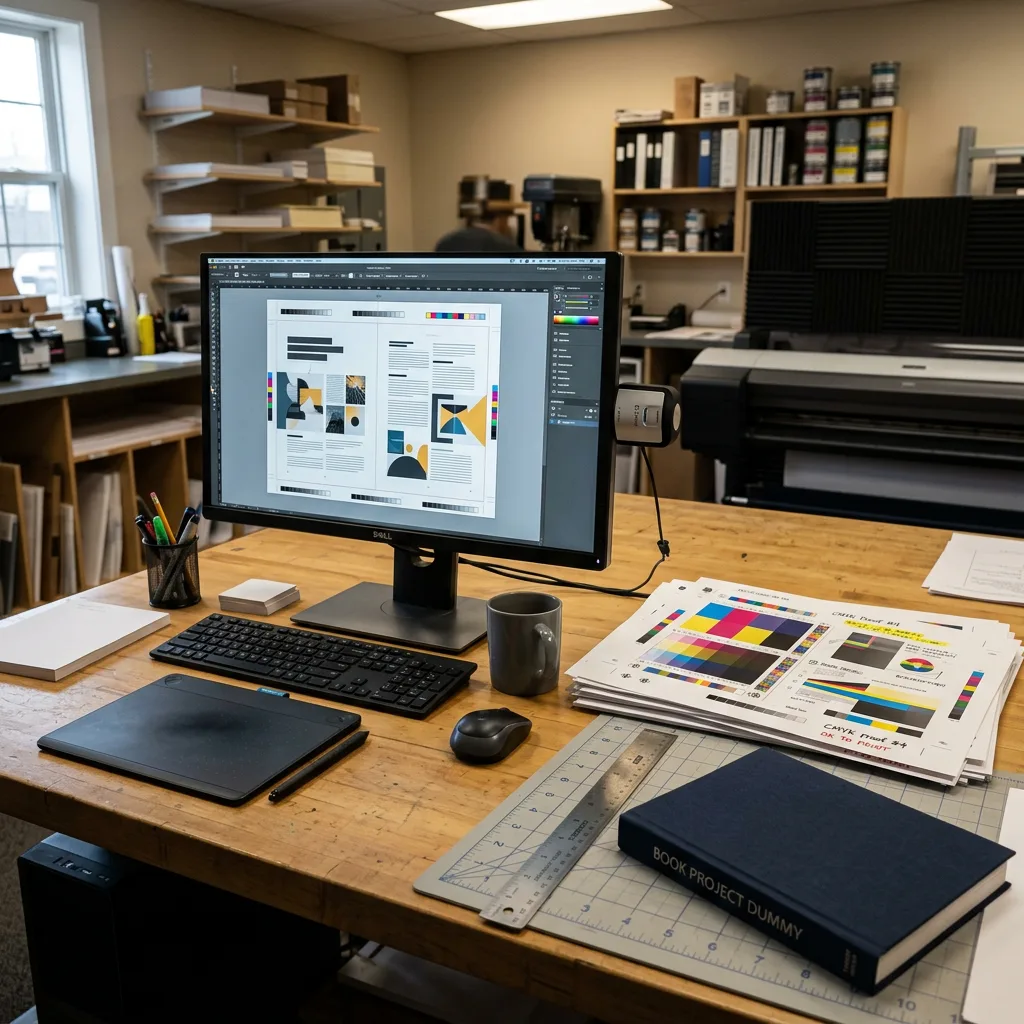
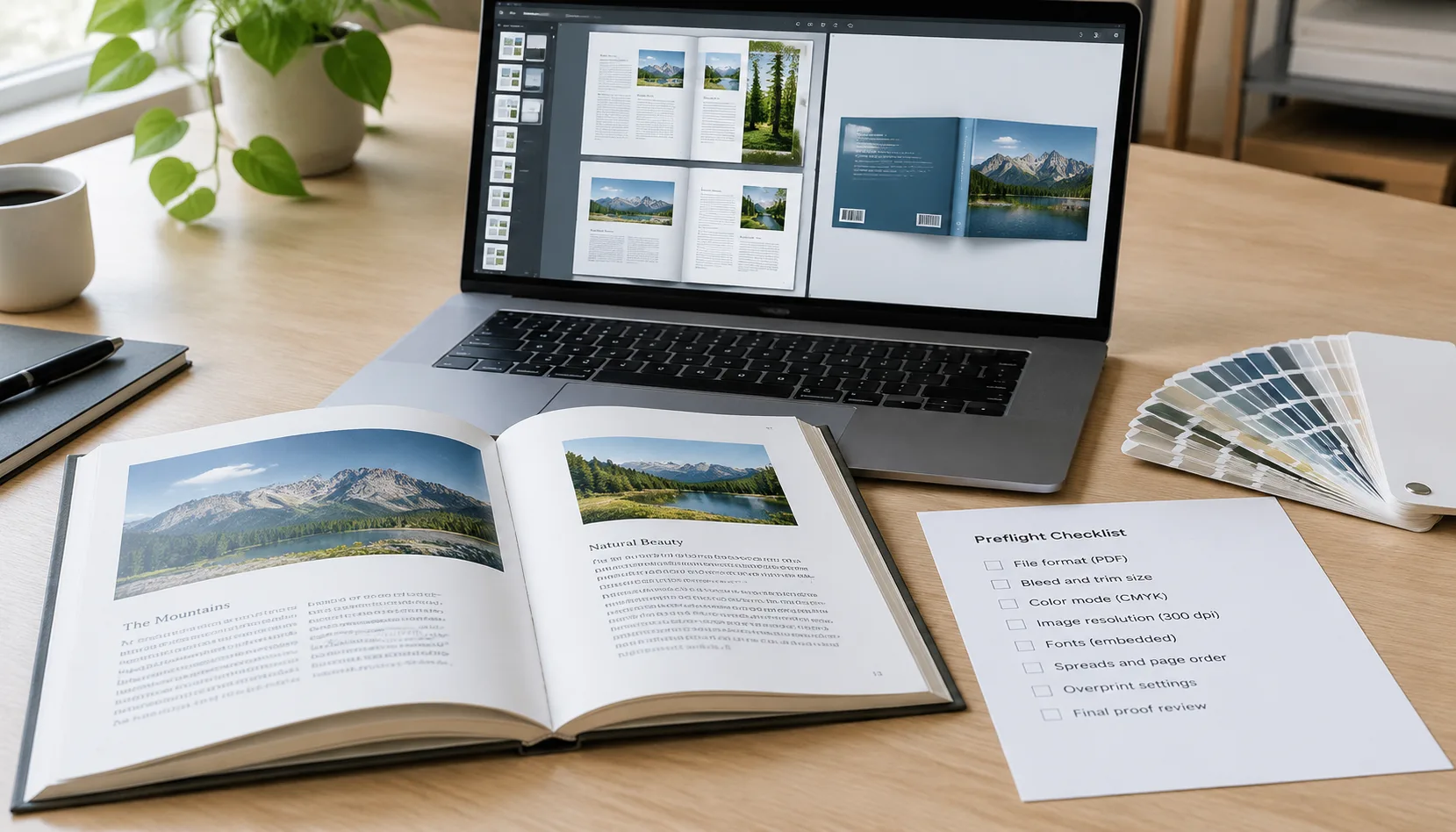
Good hardcover book production begins with a technically sound file. Set the document to the finished trim size, add the required bleed, keep important text and images away from trim and fold areas, and use high-resolution images suitable for the intended print size. Convert or manage colours according to the printer’s file guidance before final export.
The cover requires separate attention. Its artwork must account for the front cover, back cover, spine, hinges, turn-ins, and any flap or jacket areas. The final spine width cannot be confirmed until the interior page count, paper type, and binding construction are fixed. Avoid finalising spine typography too early.
Review proofs carefully for text errors, image placement, page order, colour expectations, barcode placement, and finishing callouts. When the project contains critical brand colours, fine artwork, or complex finishing, provide clear notes and discuss whether a physical proof or sample is appropriate for the project.
For illustrated storytelling, the requirements can differ from text-led publishing. This custom hardcover graphic novel and manga printing reference is useful for considering black-and-white line work, full-colour pages, and cover durability.
Choosing the Right Hardcover Specification
Select the specification around the book’s job. A novel or corporate history may prioritise readable uncoated paper and durable conventional case binding. A cookbook may need coated stock for food photography and a wipe-resistant cover finish. A photography portfolio may benefit from a larger format and a construction that supports wide spreads. A children’s title may need a robust cover, practical paper choice, and finishing that suits regular handling.
It is usually more effective to invest in the elements readers touch and see most often: paper suitability, binding reliability, cover finish, image quality, and usable opening behaviour. Decorative extras are best added after the core construction is defined.
Ask a supplier to quote clearly separated specifications when comparing options. For example, request one version with standard case binding and one with sewn signatures, or compare uncoated and matt coated interior paper. This makes the financial effect of each decision visible without changing several variables at once.
Conclusion
Hardcover book printing is most successful when the materials and binding support the content, expected handling, and delivery plan. Define the trim size, page count, paper, cover construction, binding, finishes, quantity, and destination early. That gives you a sound basis for comparing quotations and protecting the final printed result.