
Table des matières
- How Much Does It Cost to Print a Book?
- The Main Factors That Affect Book Printing Cost
- How Book Specifications Change the Price
- Quantity, Print Method and Production Planning
- Additional Costs Buyers Should Include
- Book Printing Quotation Checklist
- How to Control Your Book Printing Budget
The cost to print a book depends on its format, page count, trim size, paper, colour specifications, binding, quantity, finishing and delivery destination. This practical guide explains the main cost drivers and the information needed for an accurate quotation.
How Much Does It Cost to Print a Book?
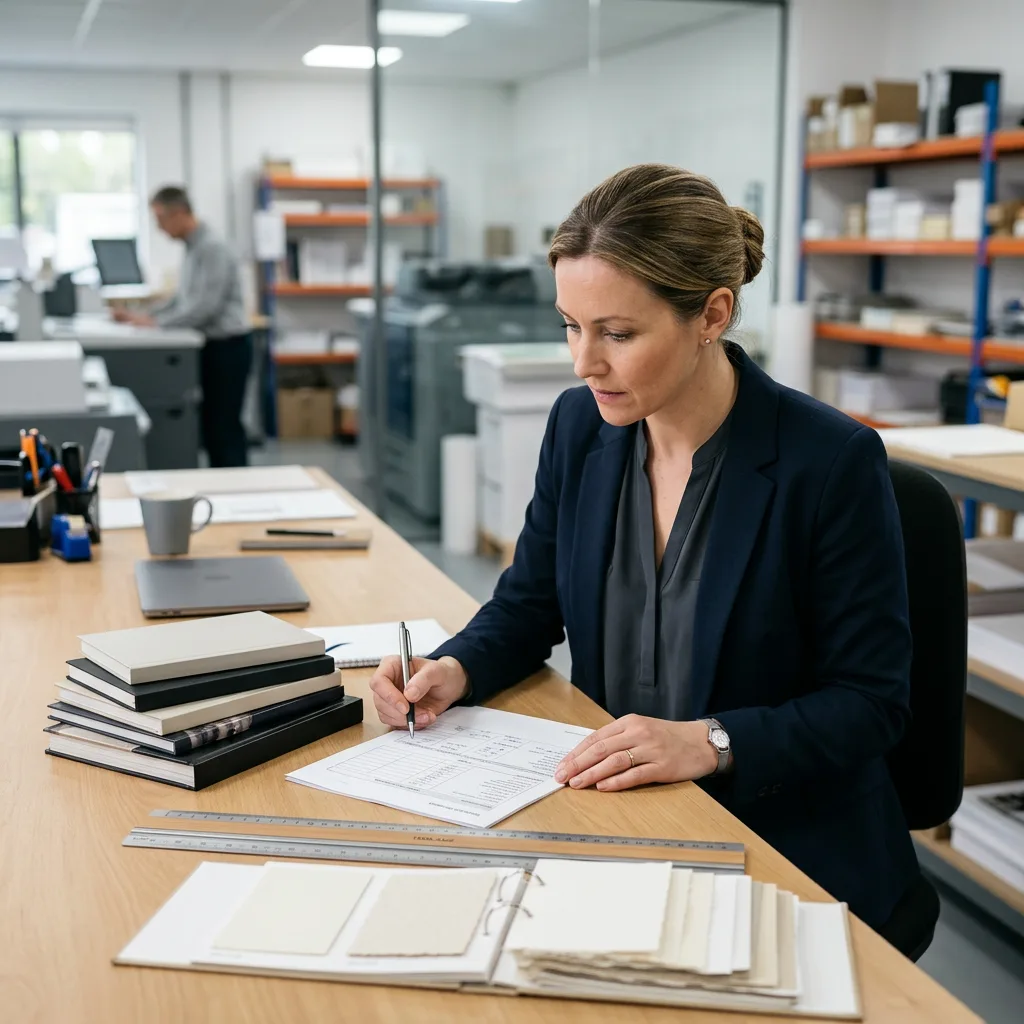
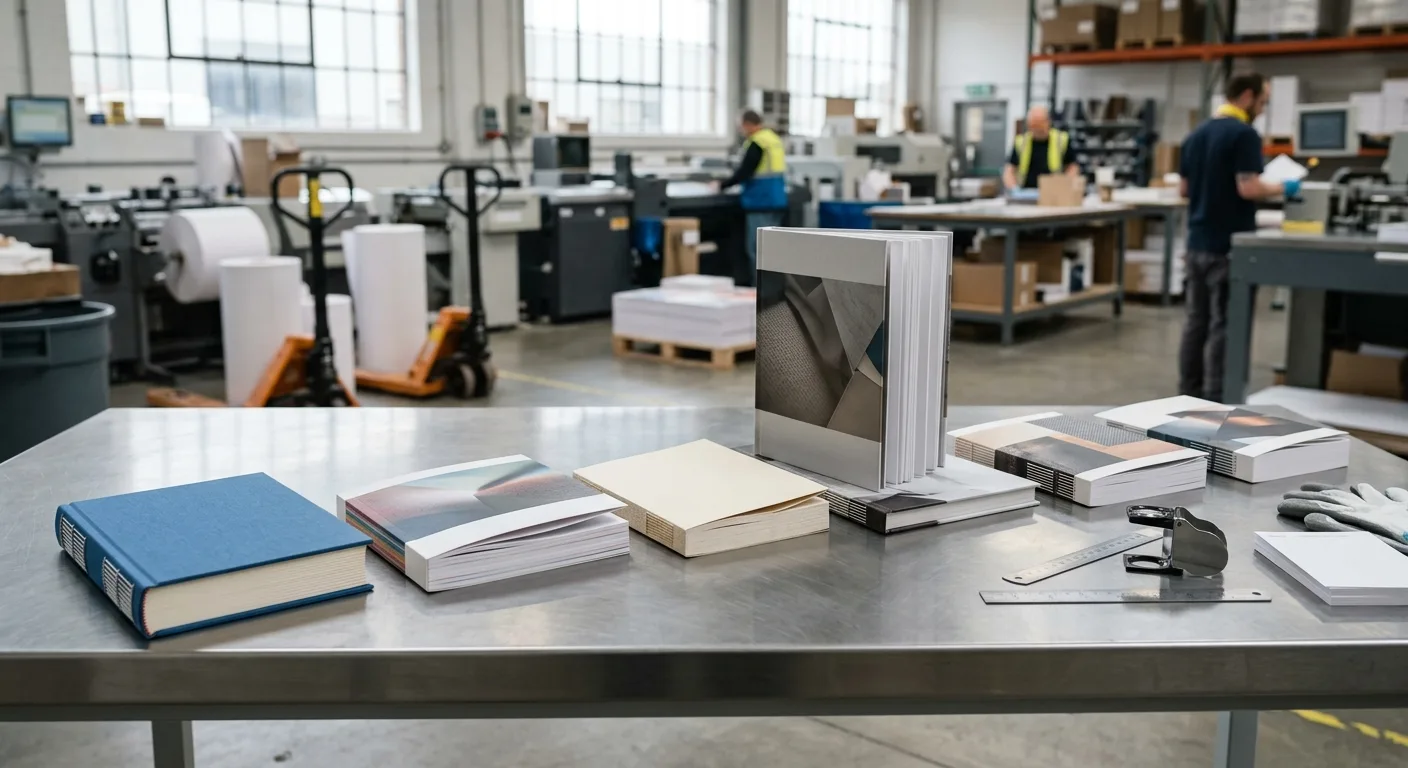
There is no single price for printing a book. A realistic quotation depends on the book’s physical specifications, order quantity, production method, finishing requirements and delivery destination. A short, black-and-white paperback printed in volume will have a very different unit cost from a full-colour hardcover, board book or highly finished gift book.
For buyers, the most useful way to estimate cost is to define the complete product before comparing quotations. The key inputs are:
- Book format and finished trim size
- Page count and whether pages are black and white or full colour
- Paper type and paper weight
- Binding method, such as perfect binding, sewn binding, hardcover or board book construction
- Quantity and whether the order will be produced in one batch or several releases
- Cover finishing, including lamination, foil stamping, embossing or spot effects
- Packaging, shipping method and destination country
These assumptions affect both the unit price and the total landed cost. A factory quotation may cover printing and standard packing, while freight, duties, taxes, inspection, warehousing or special assembly may be quoted separately. Ask each supplier to identify what is included so that prices can be compared on the same basis.
For a broader view of production choices, see Impression offset ou impression numérique de livres. The suitable process depends mainly on the run size, colour requirements, schedule and acceptable unit cost.
The Main Factors That Affect Book Printing Cost
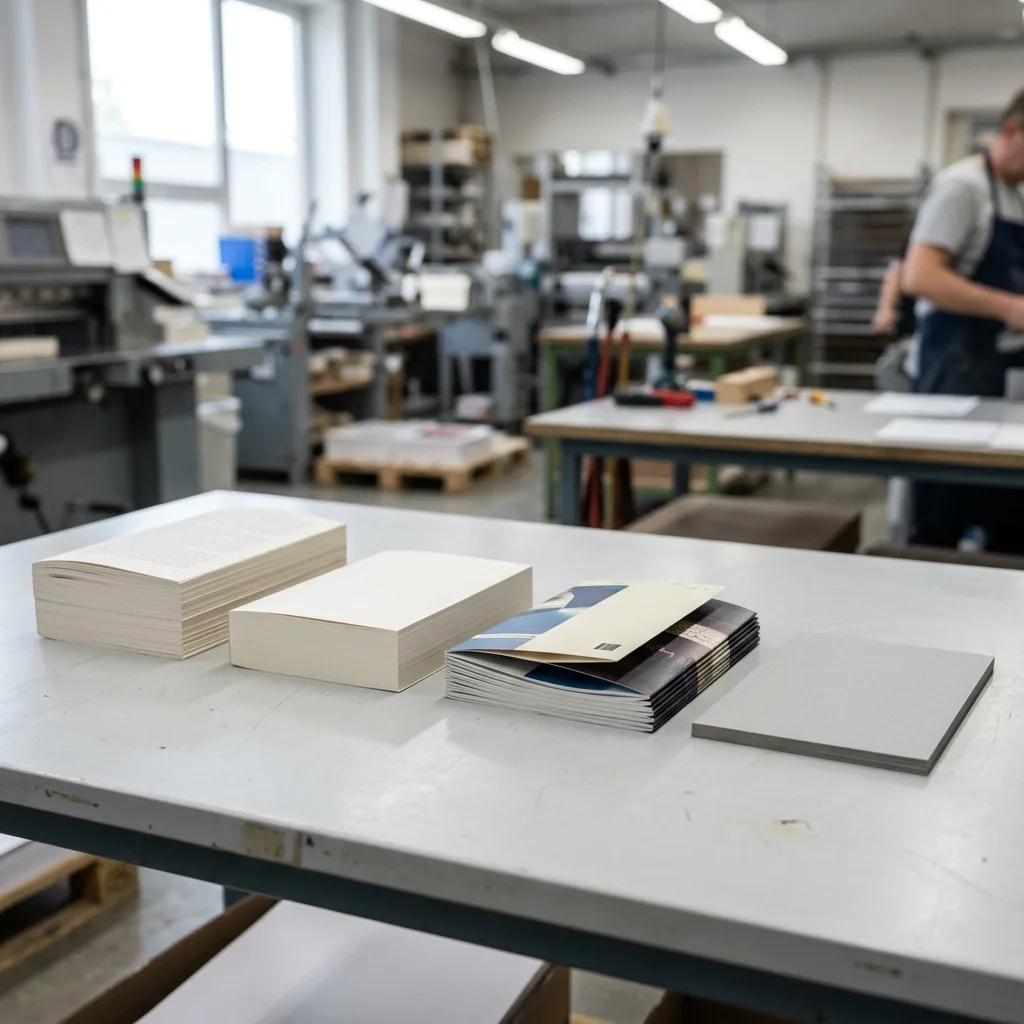
Book printing cost is built from several production decisions rather than one isolated variable. Understanding these decisions helps buyers request a more accurate quotation and identify where a specification can be adjusted without reducing the book’s purpose or usability.
Trim size and page count
The finished size determines how efficiently pages fit on a press sheet. Common formats may allow more efficient imposition, while unusual dimensions can create additional paper waste or setup requirements. Page count also affects paper consumption, folding, binding and packing. For a perfect-bound book, the spine width is calculated from the page count and paper thickness, so a change in paper can affect the cover file as well as the price.
Colour coverage
Black-and-white interiors generally use a different production specification from full-colour interiors. Colour books require colour control across the print run and may use different paper to reproduce illustrations, photographs or saturated areas effectively. A book with a colour cover and monochrome interior should be quoted differently from a book with colour on every page.
Paper selection
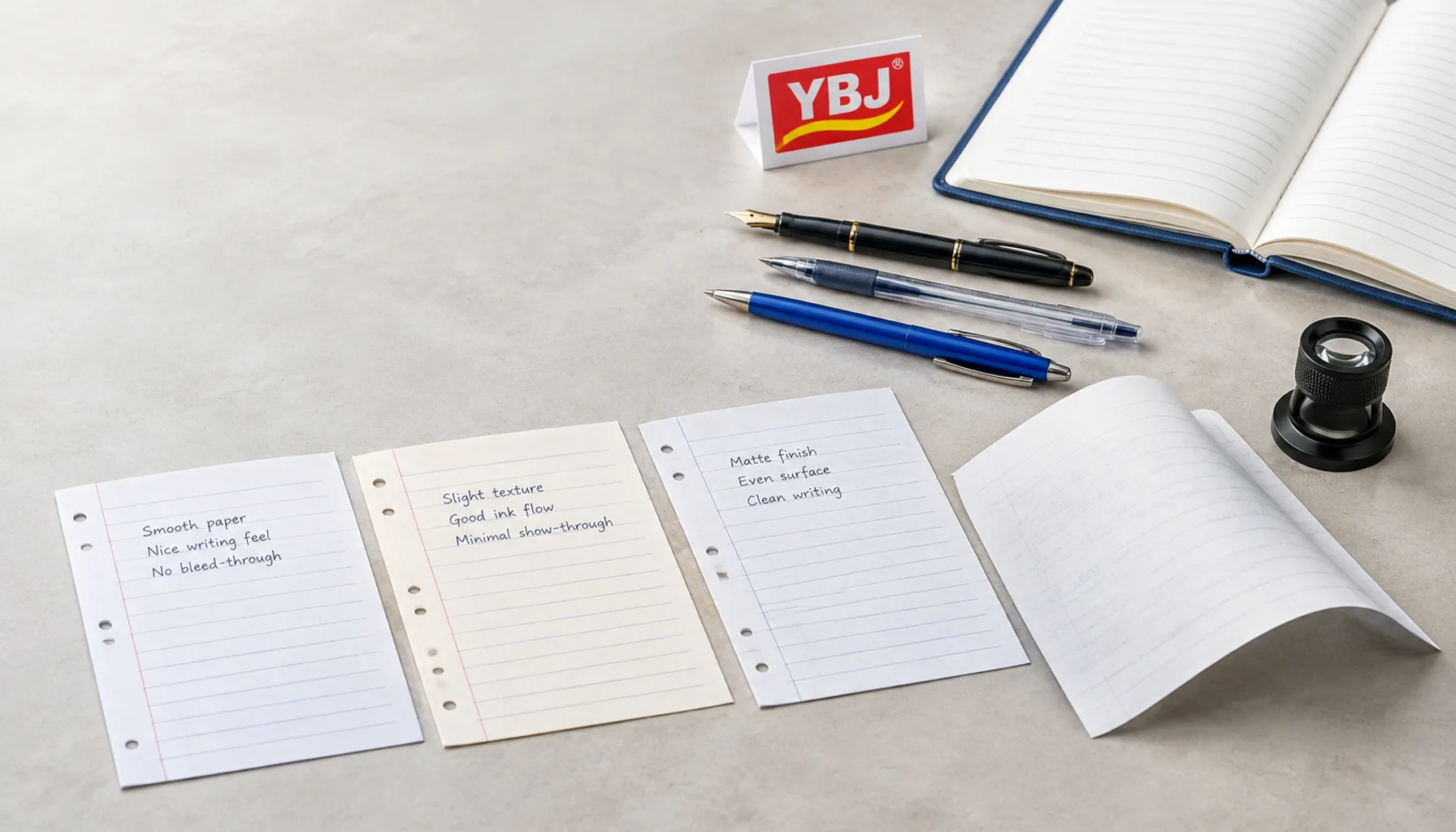
Paper cost depends on grade, weight, opacity, surface and availability. Uncoated paper is often selected for novels, workbooks and writing books, while coated paper may suit image-led books requiring sharper reproduction. Heavier paper can improve opacity or perceived quality, but it also increases the finished thickness, shipping weight and sometimes the binding requirements.
Binding construction
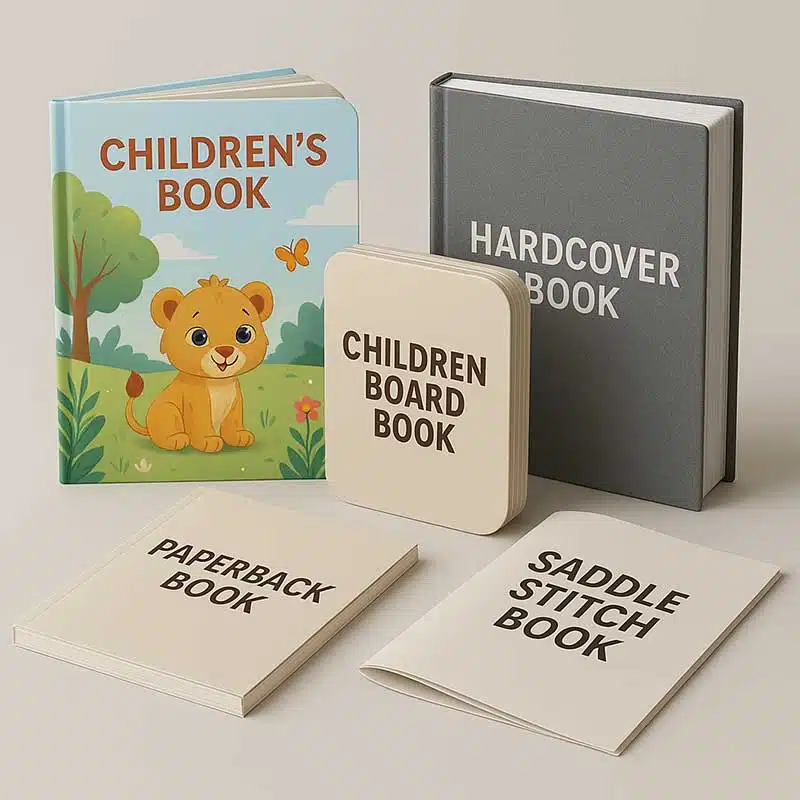
Binding affects materials, labour, equipment and durability. Perfect binding is commonly used for many softcover books. Sewn binding can improve page security and opening performance but may add production steps. Hardcover books require board, cloth or printed cover materials, endpapers and case-making. Board books, pop-up books and books with movable or tactile components involve additional converting and assembly work.
Finishing and special processes
Standard aqueous or film lamination may be suitable for protecting a cover. Foil stamping, embossing, debossing, spot coating, die cutting and other effects require separate tools, plates or production stages. These processes can be valuable for a premium appearance, but their cost depends on artwork area, tooling, quantity and registration requirements.
How Book Specifications Change the Price
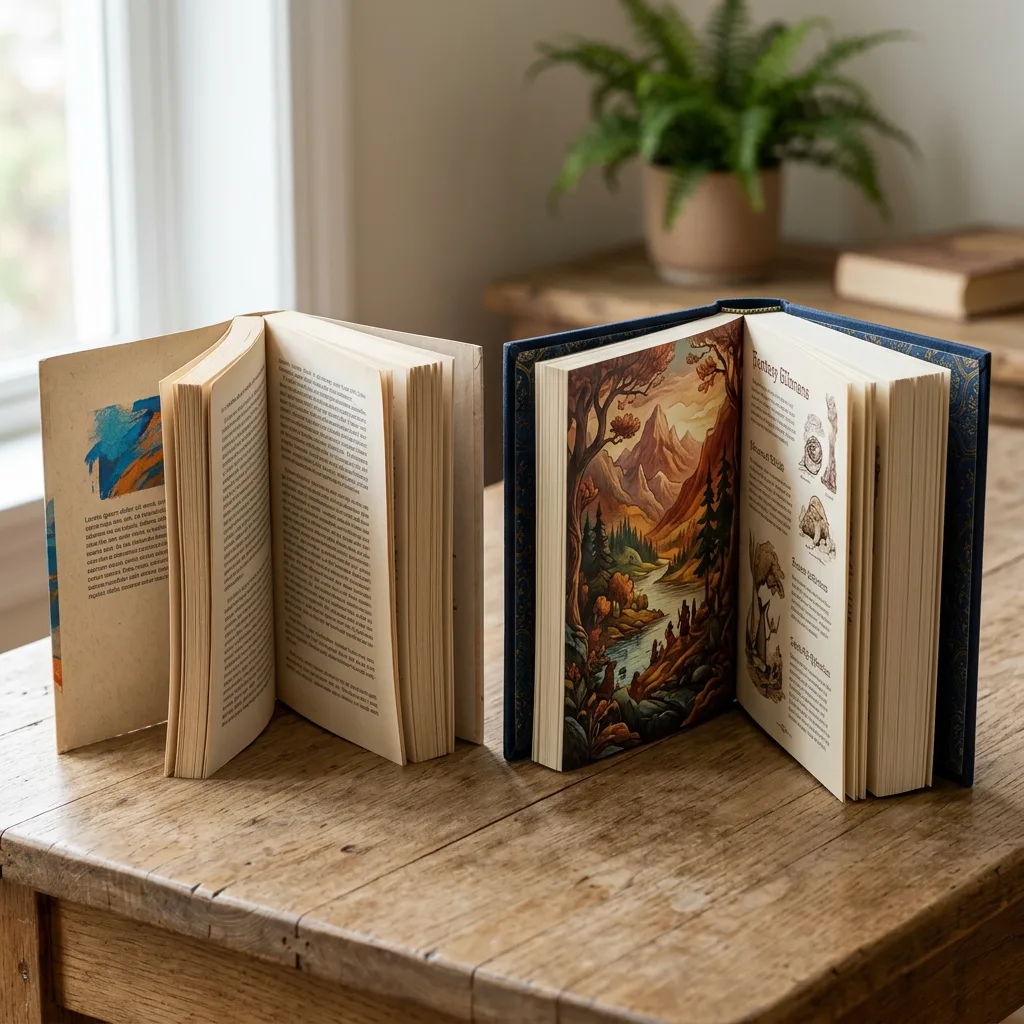
Two books with the same page count can have very different prices because their specifications use different amounts of material and production time. Before requesting a quotation, decide which features are essential for the reader and which are optional enhancements.
Paperback books
Paperback books usually have a printed cover wrapped around a text block. The quotation should state the cover stock, interior stock, cover coating and binding method. Perfect binding is suitable for many standard books, but the minimum practical spine width and page count should be confirmed for the selected materials.
Livres à couverture rigide
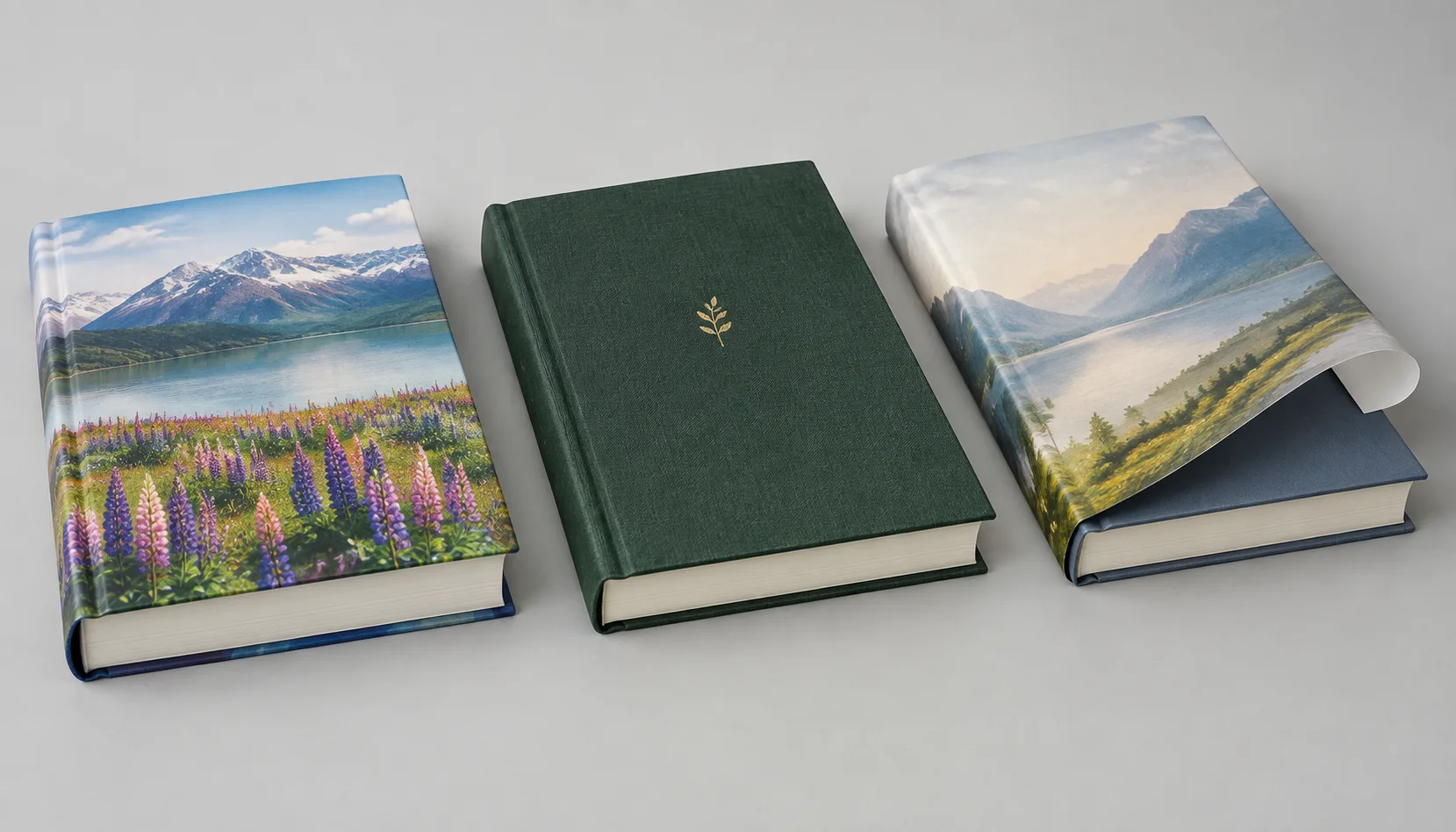
Hardcover production normally includes rigid boards, a printed or wrapped cover, endpapers and case binding. Buyers should specify whether the cover is printed paper, cloth or another material, and whether they need a dust jacket, foil, debossing or other details. The finished book is heavier than a comparable paperback, which can materially affect freight.
Children’s and illustrated books
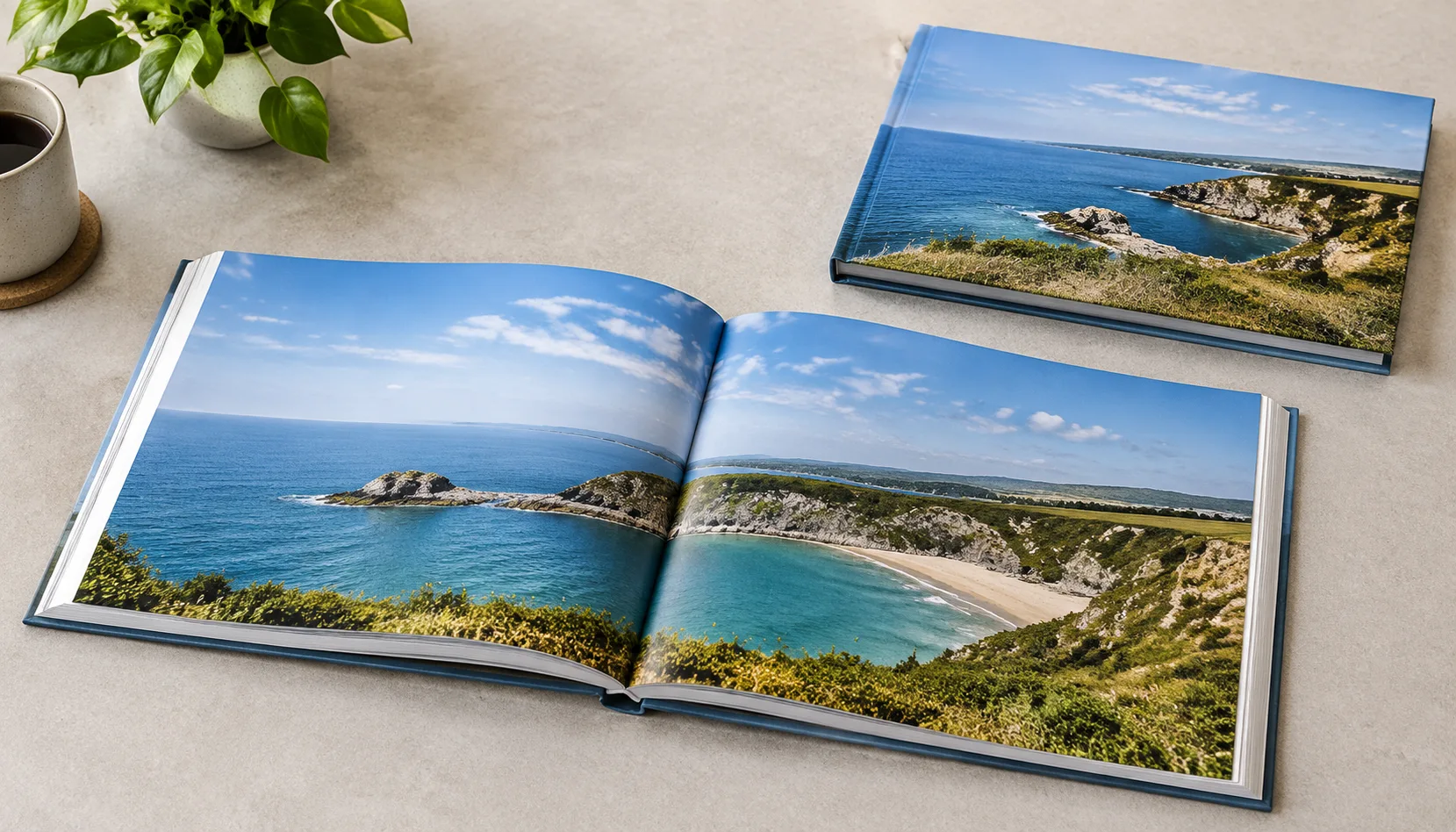
Illustrated books often use full-colour printing and may require heavier or more opaque paper. Children’s formats may also use rounded corners, board pages, special coatings or reinforced construction. If a book is designed for young children, production and safety requirements should be reviewed early. A project with buttons, sound modules or tactile materials needs separate cost planning for components and assembly. For a related example, review the guide to children’s sound book printing costs.
File readiness and proofing
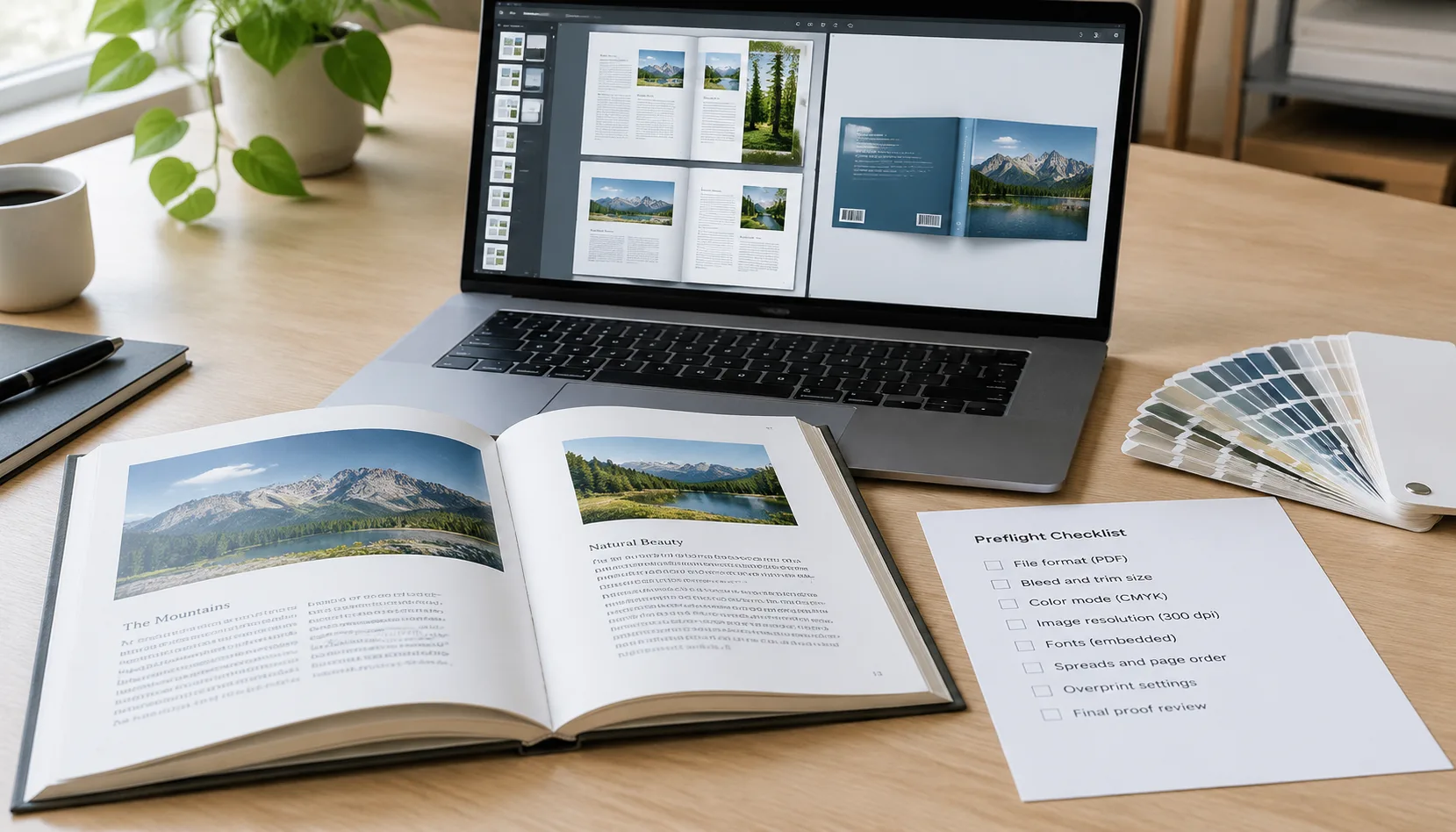
Print-ready files reduce avoidable prepress work, but a quotation should clarify whether file checking, colour adjustment, imposition, proofing and corrections are included. A physical proof or hard proof can add cost before mass production, yet it may help verify colour, paper feel, trim, binding and finishing. The need for a proof depends on the product risk, colour sensitivity and approval process.
Do not assume that a lower unit price is better if it excludes important stages. Confirm the proofing method, approval point and treatment of changes after approval.
Quantity, Print Method and Production Planning
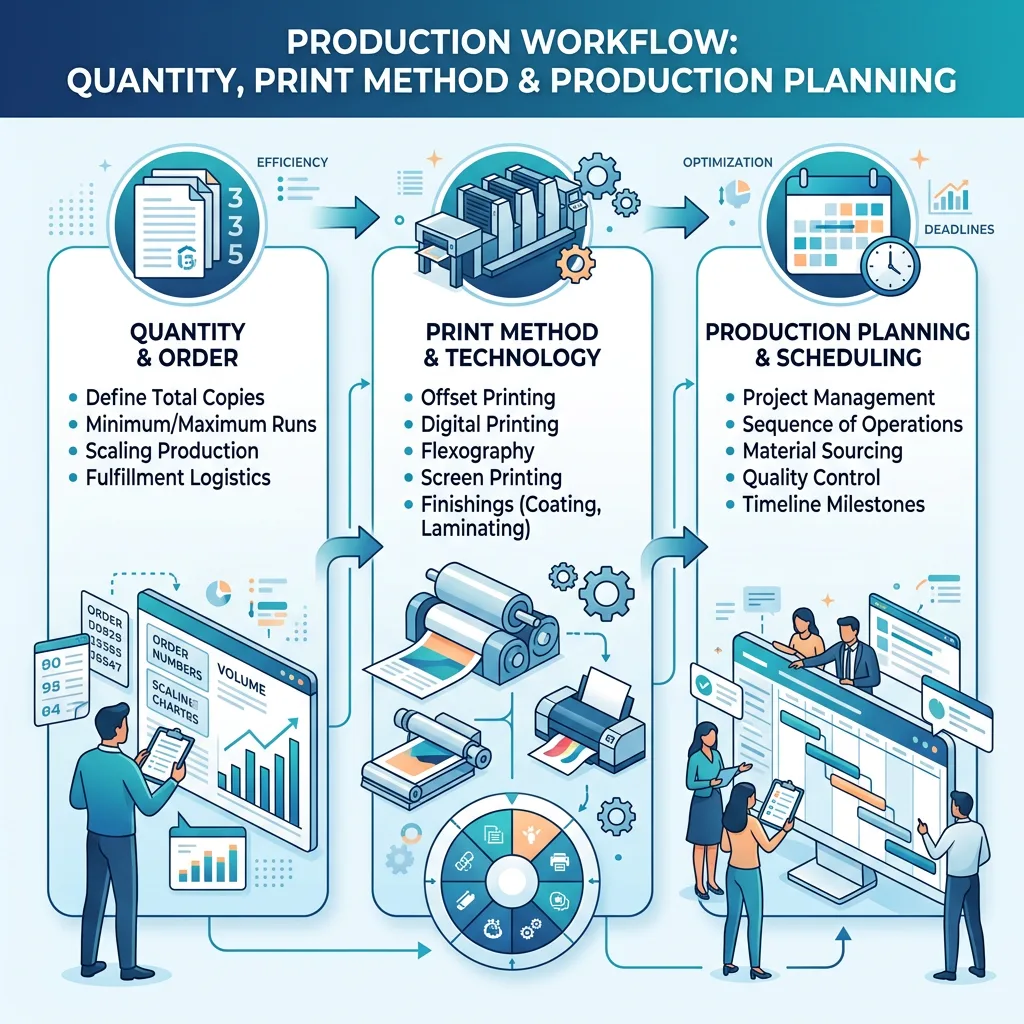
Quantity is one of the most important variables in book printing cost. Most production methods include fixed or semi-fixed setup work, such as plate preparation, press make-ready, cutting, folding, binding setup and quality checks. When more copies share those setup costs, the unit cost can decrease. However, the total order value and inventory commitment increase.
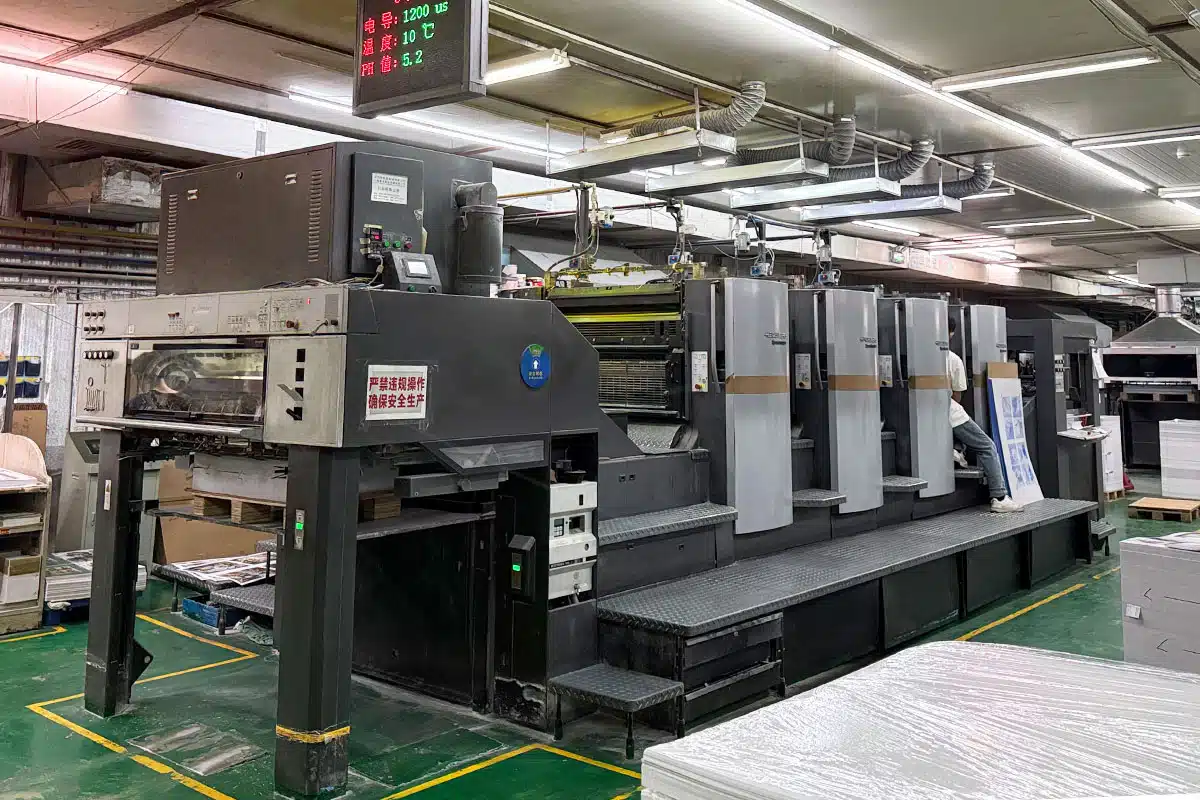
Digital printing can be useful for short runs, test editions, sample copies or projects where the buyer needs to limit initial inventory. It may reduce setup requirements, but its unit economics can change as quantity rises. Offset printing commonly becomes more attractive for larger runs because setup costs are distributed across more copies. The exact point depends on page count, colour, format, paper, press configuration and supplier planning.
Ask for pricing at more than one quantity when your launch volume is uncertain. For example, a buyer may request separate quotations for an initial test run and a larger production run. This provides a more useful view of unit cost, total spend and inventory risk than requesting one quantity without context.
Production planning should also consider repeat orders. A book intended for regular reprinting may justify a specification that supports consistent materials and efficient replenishment. A first edition with uncertain demand may benefit from a smaller initial quantity, even if the unit cost is higher.
Quantity does not remove the need to confirm quality. A supplier should explain how colour approval, paper availability, binding checks and final inspection are handled for the selected order size.
Additional Costs Buyers Should Include
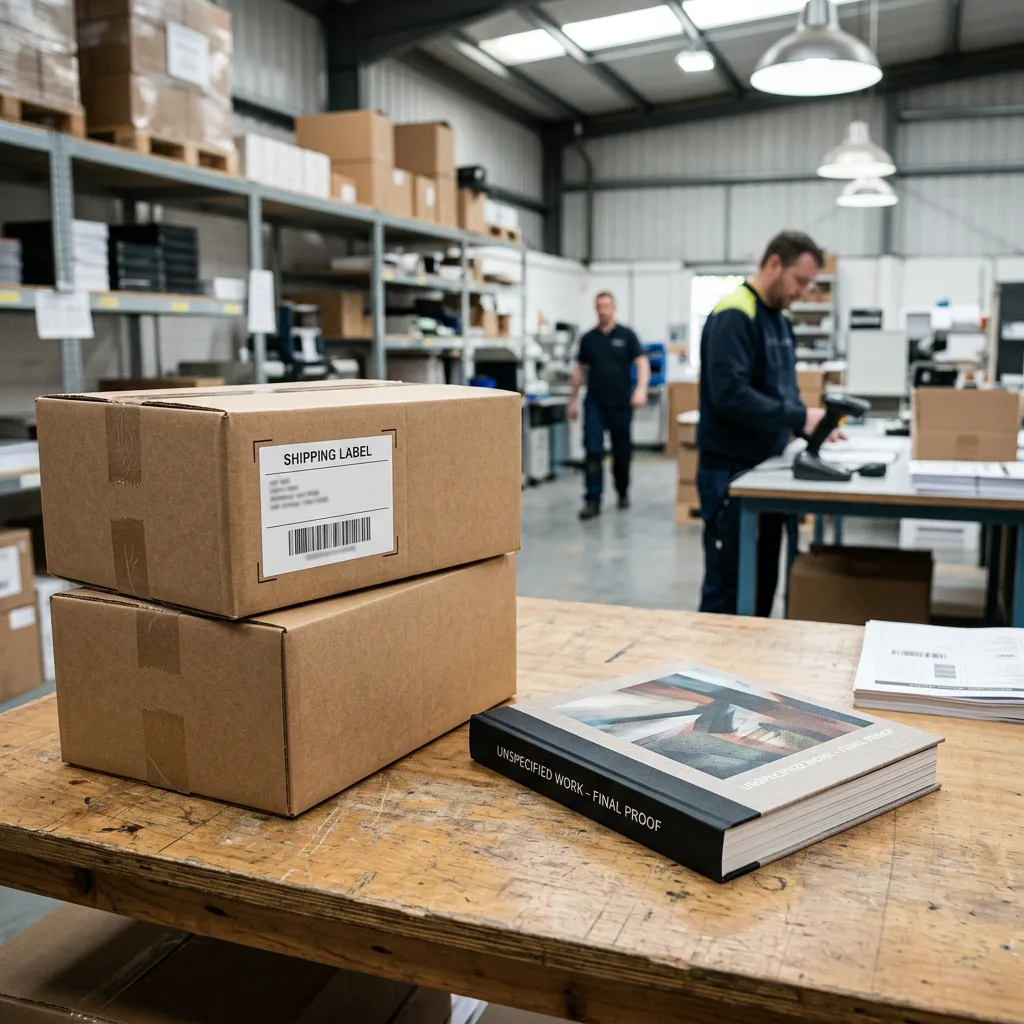
The print price is only one part of the purchase decision. A complete budget should account for costs that may occur before, during or after manufacturing.
- Prepress and file preparation: Artwork correction, layout adjustment, colour conversion, barcode placement and file repair may be charged when files are not ready for production.
- Épreuve : Digital proofs, contract proofs or physical samples may have separate fees. Confirm whether the proof cost is refundable or credited against the production order.
- Tooling: Die-cut forms, embossing plates, foil blocks and other custom tools can create one-time charges.
- Special assembly: Inserts, stickers, pockets, ribbons, cards, sound components, magnets or other additions require extra handling and inspection.
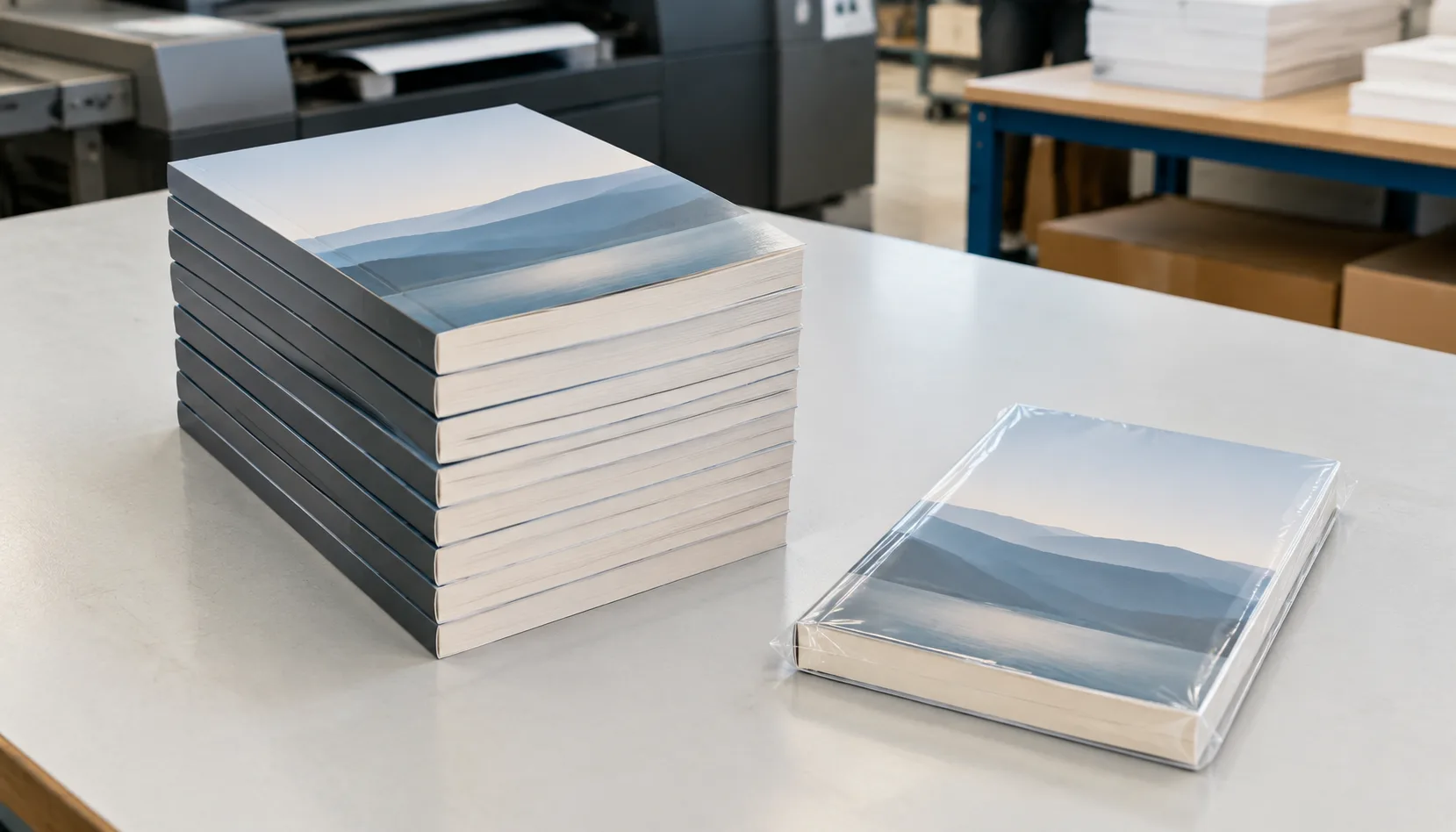
- Emballage : Cartons, palletisation, individual wrapping, retail-ready packing and export packaging may change the packing cost and carton quantity.
- Freight and destination charges: Shipping depends on volume, weight, service level, destination country and delivery terms. Import duties, taxes, customs clearance and local delivery may be outside the factory quotation.
- Quality inspection: Buyer-arranged inspection or additional sampling may be budgeted separately.
For premium books, production effects should be evaluated against their purpose. A carefully chosen cover coating or paper may deliver more value than adding several decorative processes. Buyers can also reduce waste by finalising specifications and artwork before production approval.
Book Printing Quotation Checklist
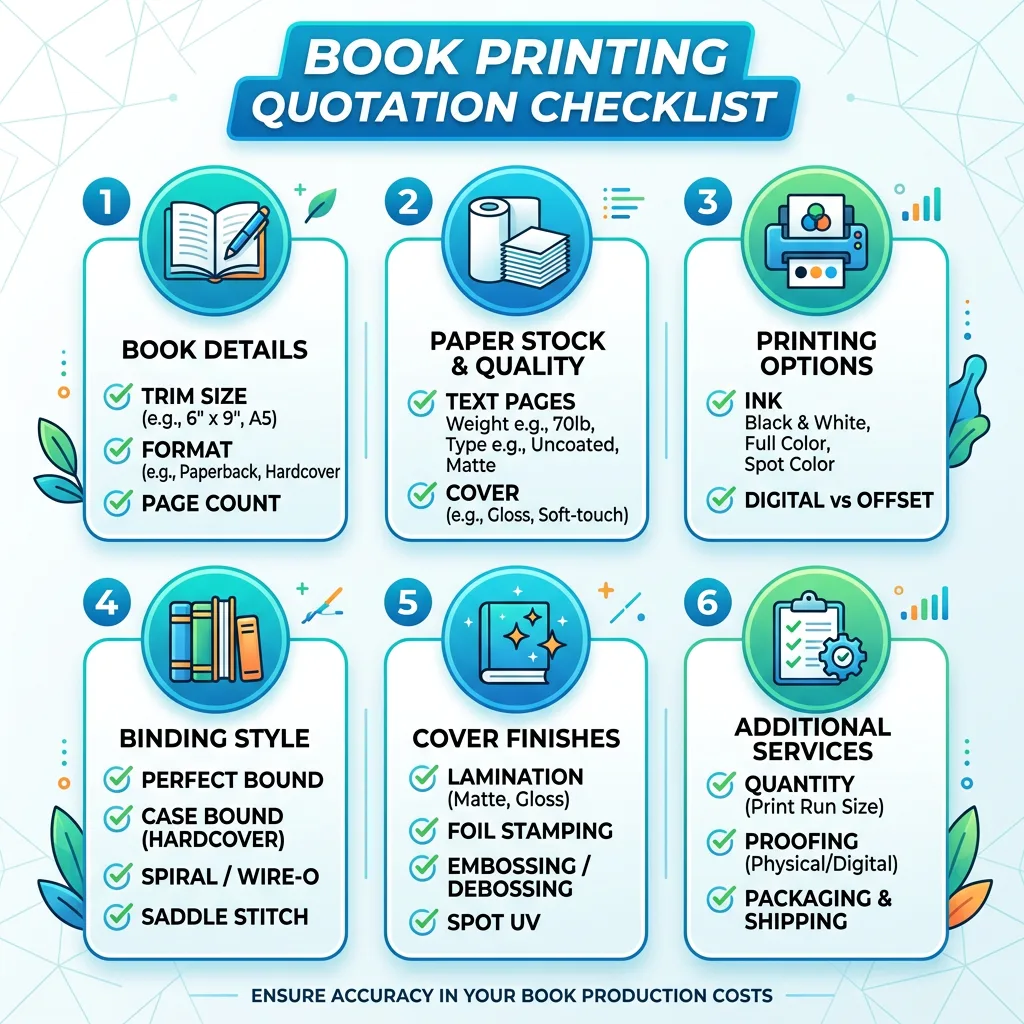
Provide the following information when contacting a printer. Complete specifications make it easier to receive a quotation that is technically accurate and comparable with other offers.
- Type de produit : Novel, children’s book, workbook, catalogue, graphic novel, art book or another format
- Format de coupe : Finished width and height, including the measurement system used
- Nombre de pages : Interior page count and whether the cover is counted separately
- Colour: Black and white, spot colour or full colour for the interior and cover
- Quantité : Required number of copies, plus any sample or proof quantity
- Papier : Preferred paper type and weight, or a request for suitable options
- Reliure : Perfect binding, sewn binding, hardcover, board book or another construction
- Finition : Lamination, varnish, foil, embossing, die cutting, rounded corners or other requirements
- Statut du fichier : Whether final print-ready files are available and which software or file format is used
- Emballage : Standard cartons, individual packing, pallets or retail requirements
- Destination: Delivery country and, where available, the destination city or port
- Approval needs: Digital proof, physical proof, colour sample or pre-production sample
It is also useful to share a reference sample, product drawing or marked-up specification sheet. State which requirements are fixed and which can be adjusted. This allows the printer to suggest practical alternatives without changing the intended function of the book.
How to Control Your Book Printing Budget
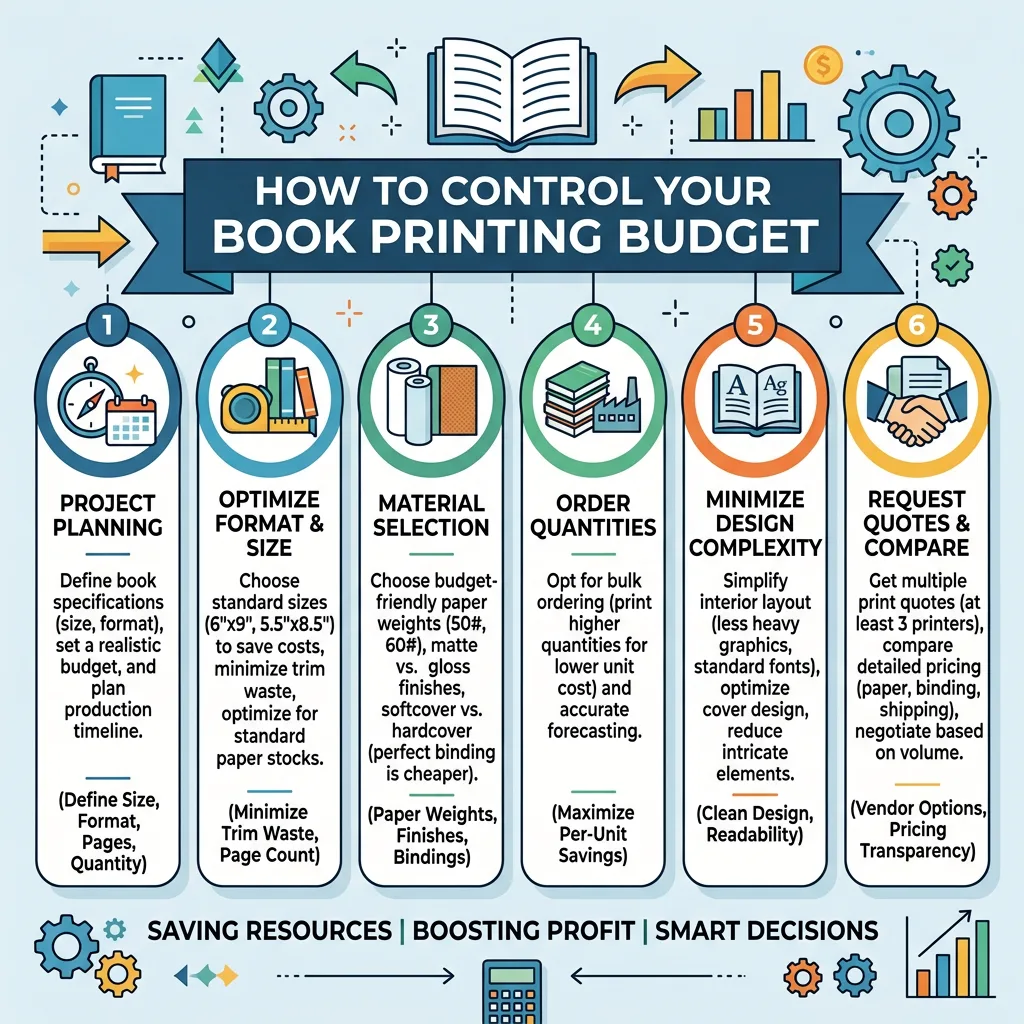
The answer to “how much does it cost to print a book?” starts with a complete specification, not a single target price. The main cost drivers are format, page count, colour, paper, binding, quantity, finishing, proofing, packaging and delivery. Changes to any of these can affect material use, production time, shipping weight or quality control.
To manage the budget, define the reader’s essential requirements first, request quotations at realistic quantities, compare what each price includes and confirm all assumptions in writing. A factory-direct manufacturer can also help assess suitable paper, binding and production options before the order is approved.
Guangzhou YBJ Printing Co., Ltd has produced books, paper products and packaging for global customers since 1998. For a project-specific estimate, share your specifications and destination so the quotation can be based on the actual product rather than a generic per-copy figure.
Demander un devis pour l'impression d'un livre
Send YBJ Printing your product type, trim size, page count, quantity, paper or binding preference, finish, file status and destination country. We can review the requirements and discuss suitable production options for your custom book project.