
The Importance of Material Selection in Magazine Publishing
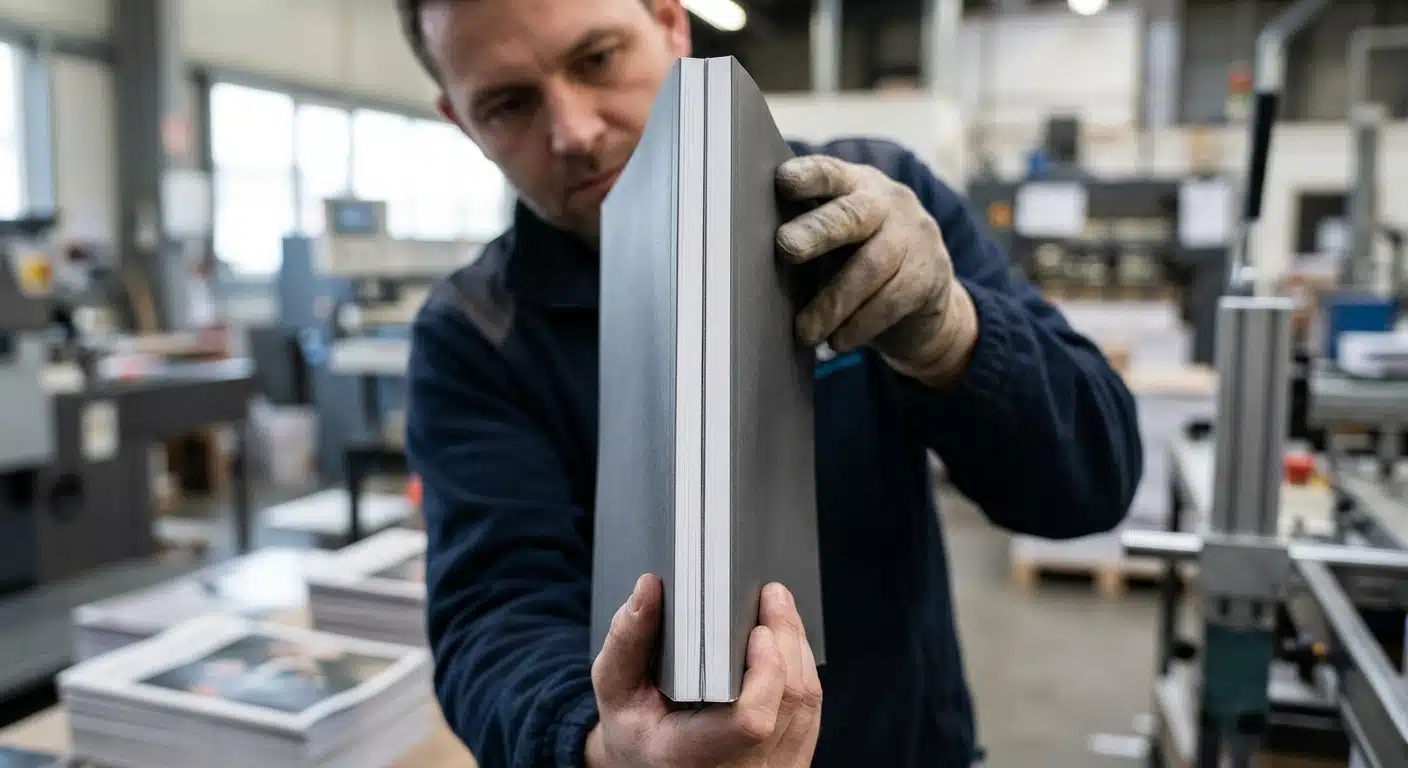
For independent publishers, brand owners, and procurement managers, a magazine is more than just printed content—it is a tactile representation of a brand. When executing a custom magazine printing run, balancing aesthetic appeal with structural durability is a primary challenge. A publication must not only look pristine on a retail newsstand but also survive the rigorous, high-friction environment of postal distribution networks.
Selecting the right interior paper stocks, protective cover coatings, and binding methods directly impacts both reader experience and overall production costs. This guide breaks down the technical specifications and manufacturing considerations necessary to optimize your next bulk magazine printing project.
Selecting Interior Paper: Weight and Finish Considerations
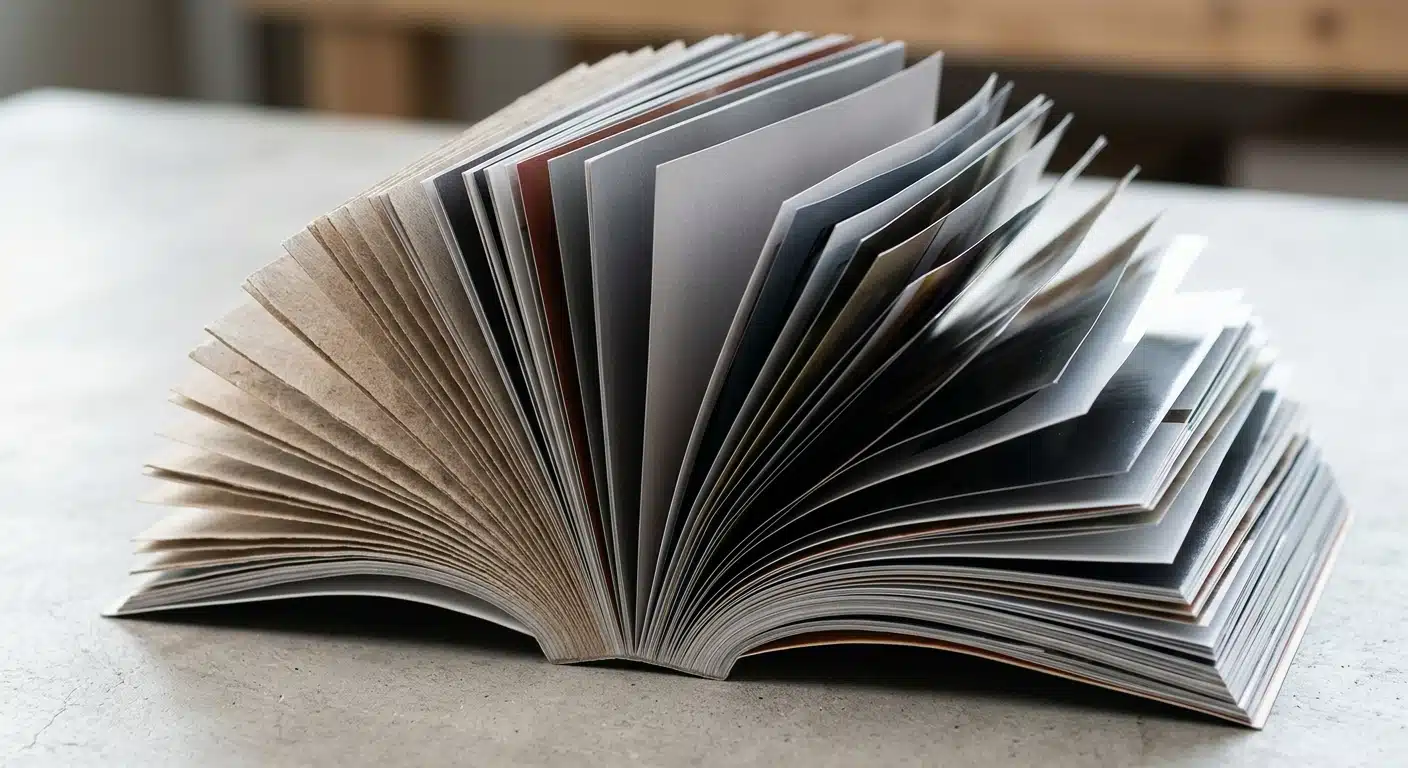
The interior pages (often referred to as the “text block”) dictate the magazine’s thickness, opacity, and tactile feel. Choosing the correct paper involves balancing ink holdout, readability, and weight—which directly affects shipping and mailing costs.
Standard Paper Weights
Paper weight is typically measured in pounds (lb) for the US market or grams per square meter (gsm) internationally. For magazine interiors, common text-weight options include:
- 60 lb Text (90 gsm): A cost-effective, lightweight option ideal for high-page-count publications (over 150 pages) to keep mailing costs down. Note that opacity can be an issue with heavy ink coverage, leading to “show-through.”
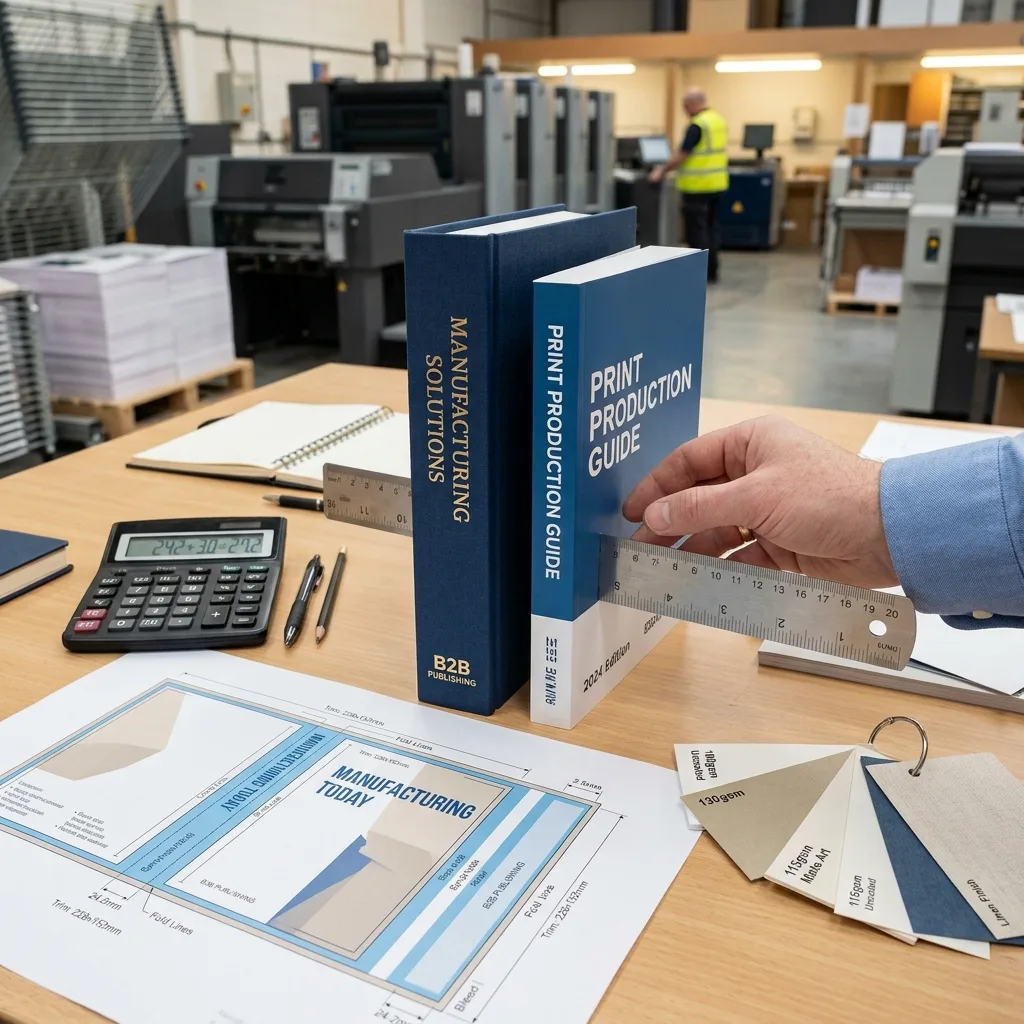
- 70 lb to 80 lb Text (105 gsm to 120 gsm): The industry standard for high-quality consumer and B2B magazines. It offers excellent opacity, a premium feel, and supports vibrant full-color images without bleeding.
- 100 lb Text (150 gsm): A heavy, premium stock typically reserved for luxury publications, art magazines, or lookbooks where image fidelity is paramount.
Interior Paper Finishes
- Gloss: Features a highly reflective coating that prevents ink absorption into the paper fibers. This results in sharp, vibrant, and highly saturated images. Best for photography-heavy magazines.
- Matte / Silk: Offers a smooth, non-reflective surface. Matte coated paper is easier to read under direct light while still providing excellent color reproduction. Ideal for text-heavy editorial pieces and corporate publications.
- Uncoated: Provides a raw, textured feel that absorbs ink, resulting in softer, muted colors. Often chosen by indie publishers and zines for an organic, artisanal aesthetic.
Protective Cover Finishes for Durability
The cover is the first line of defense against handling damage, moisture, and mailing equipment. Cover stock should generally range from 80 lb Cover (216 gsm) to 100 lb Cover (270 gsm). However, the protective coating applied over the ink is what truly ensures durability.
Comparing Cover Coatings
| Coating Type | Visual Effect | Durability Level | Best Use Case |
|---|---|---|---|
| Aqueous Coating (AQ) | Subtle gloss or matte | Moderate | Standard retail distribution; cost-effective bulk printing. |
| UV Coating | High-gloss, wet look | High (Scratch resistant) | High-impact newsstand display. Can crack on folds if not scored. |
| Film Lamination | Gloss, Matte, or Soft-Touch | Maximum | Premium publications, heavy handling, and unbagged mail distribution. |
Ensuring Structural Durability for Mail and Retail
A beautifully printed magazine loses its impact if it arrives at the reader’s door scuffed, torn, or warped. Consider the following technical factors to ensure structural integrity across different distribution channels.
Optimizing for Mail Distribution
Postal sorting machines utilize high-speed belts and rollers that generate severe friction. If your magazine is mailed directly without a polybag or envelope, the cover is highly susceptible to ink transfer and scuffing.
- Scuff Resistance: Dark-colored covers are notoriously prone to visible scuffing. If designing a dark cover for mail distribution, matte or gloss lamination is strongly recommended over standard AQ coating.
- Mailing Regulations: Ensure your dimensions and weight comply with local postal regulations (e.g., USPS flat vs. letter rates) to avoid unexpected postage surcharges.
- Polybagging: For ultimate protection, especially if including loose inserts or promotional items, shrink-wrapping or polybagging is the safest option for direct mail.
Optimizing for Retail Display
Magazines displayed on newsstands must maintain spine integrity and resist curling. The binding method plays a crucial role here.
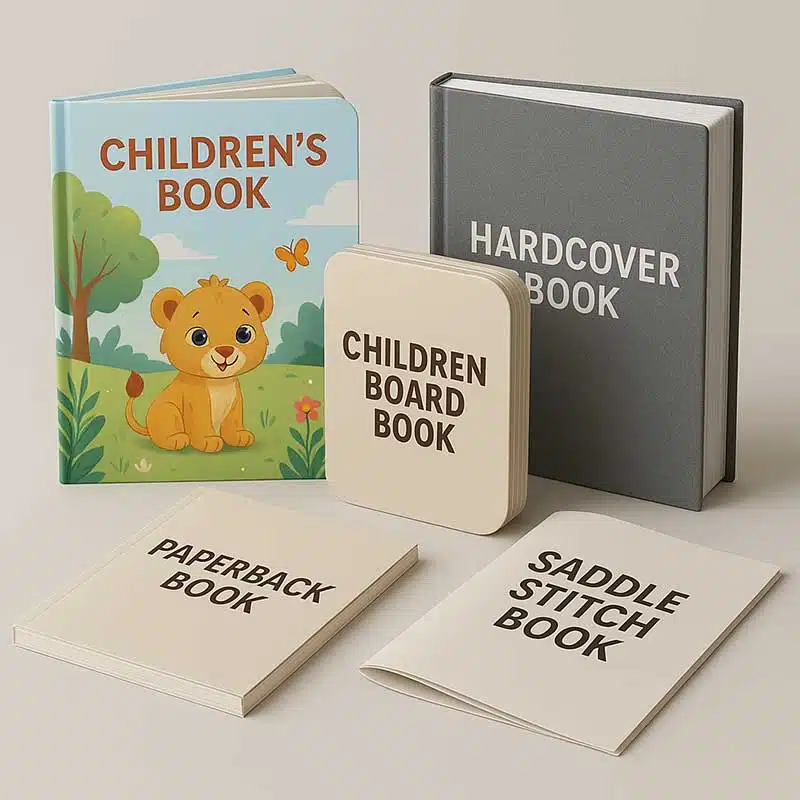
- Saddle Stitching: Best for publications under 64-80 pages. Staples are driven through the fold. It is cost-effective and allows the magazine to lay relatively flat.
- Perfect Binding: Required for higher page counts. Pages are glued to a squared-off spine. To prevent spine cracking and page pull-out in retail environments, specify PUR (Polyurethane Reactive) adhesive rather than standard EVA glue. PUR is significantly stronger and more flexible, ensuring pages remain intact even when the magazine is flattened.
- Hinge Scoring: Always ensure perfect-bound covers are hinge-scored (creased near the spine) to allow the cover to open cleanly without pulling on the glued binding.
Buying Guide: Managing Your Printing Project
When approaching a commercial printer for a custom magazine run, keep the following logistics in mind:
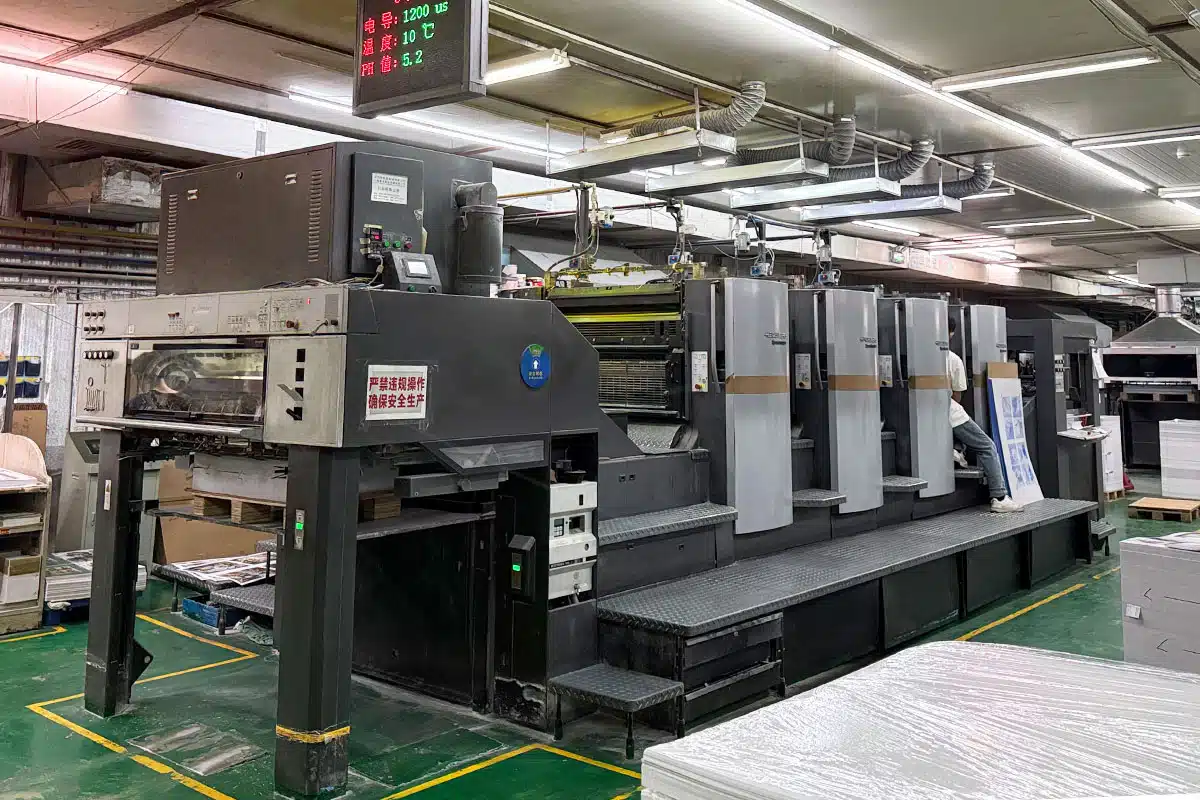
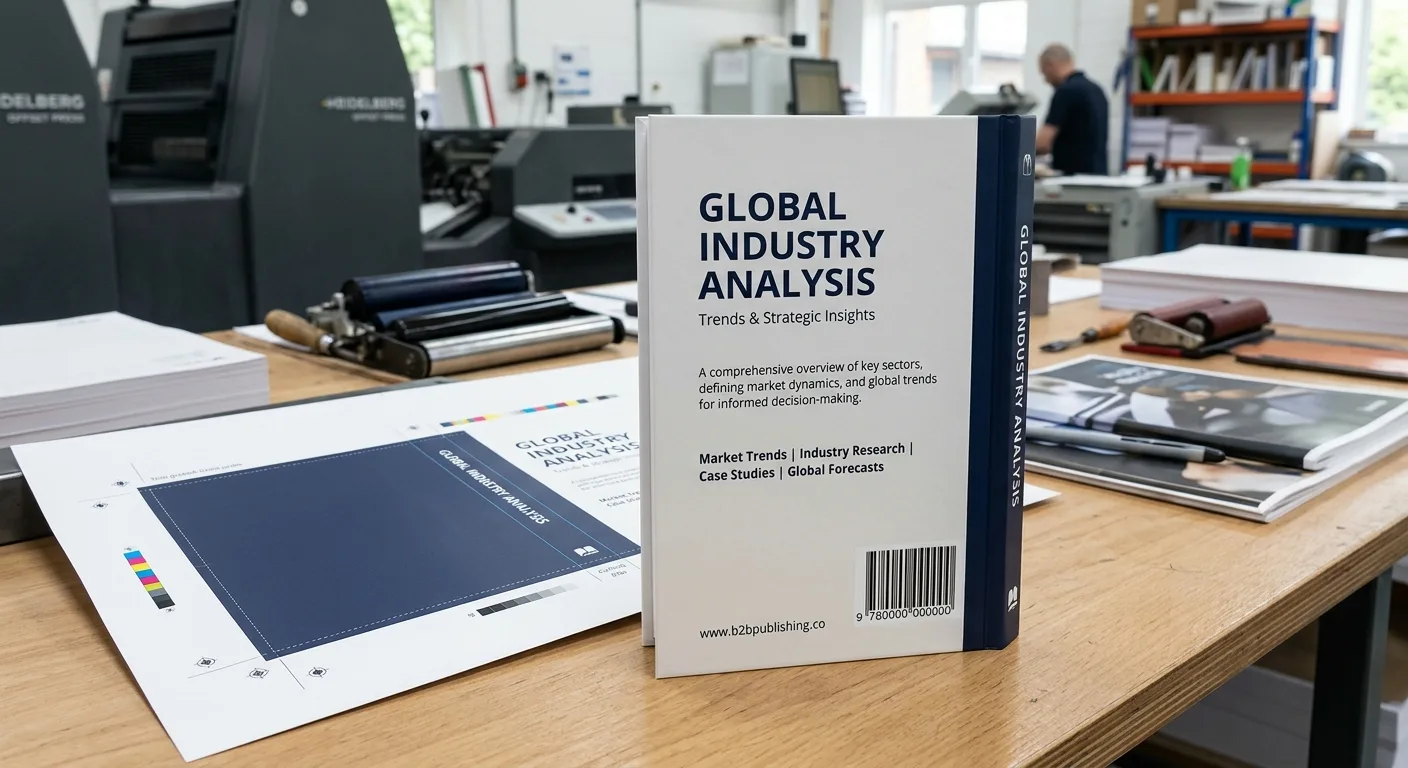
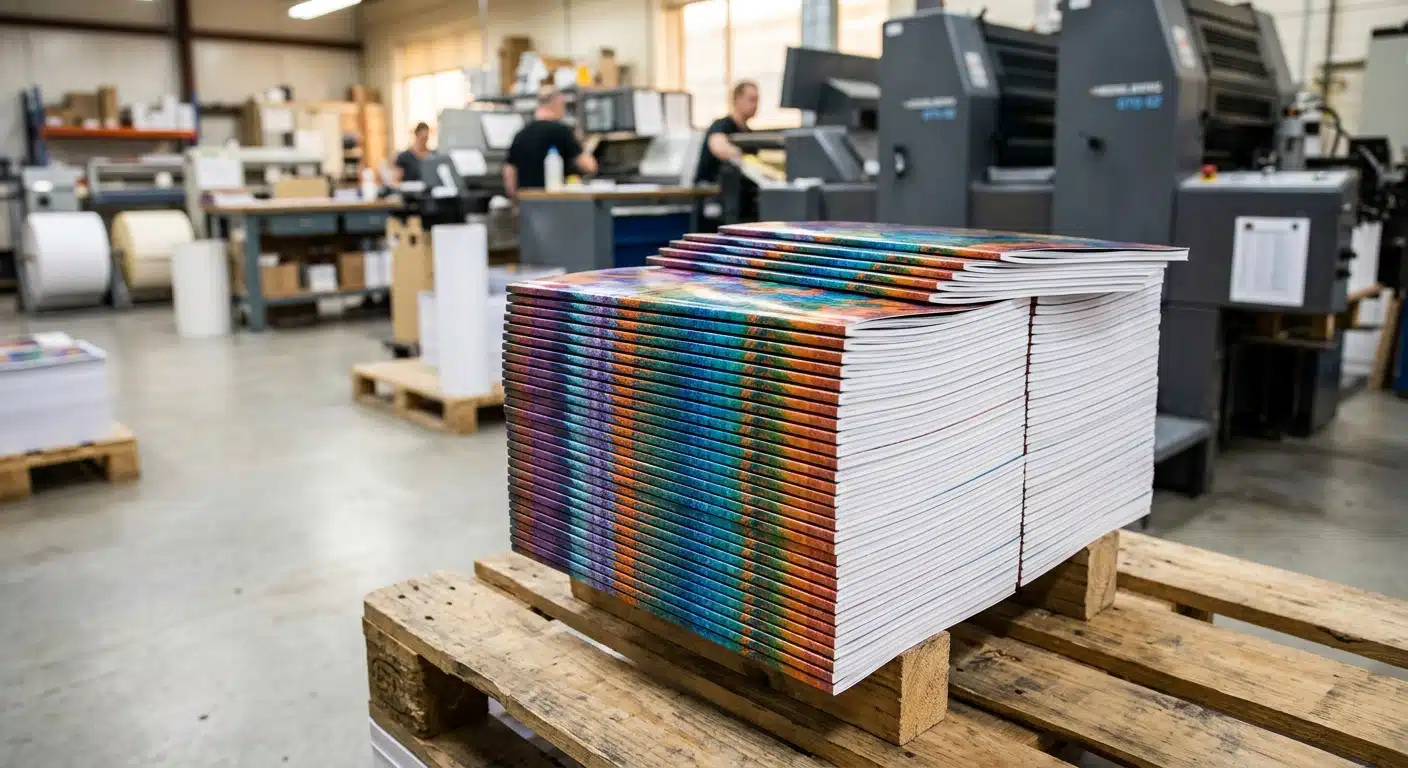
- Minimum Order Quantities (MOQ): While digital printing allows for short runs (100–500 copies), traditional offset printing becomes highly cost-effective at volumes of 1,000 to 5,000+ copies. Offset printing is recommended for the best color consistency and lowest per-unit cost on bulk orders.
- Artwork and File Preparation: Submit files as high-resolution (300 DPI) PDFs. Ensure all colors are converted to CMYK and that a minimum of 0.125 inches (3mm) of bleed is included on all edges.
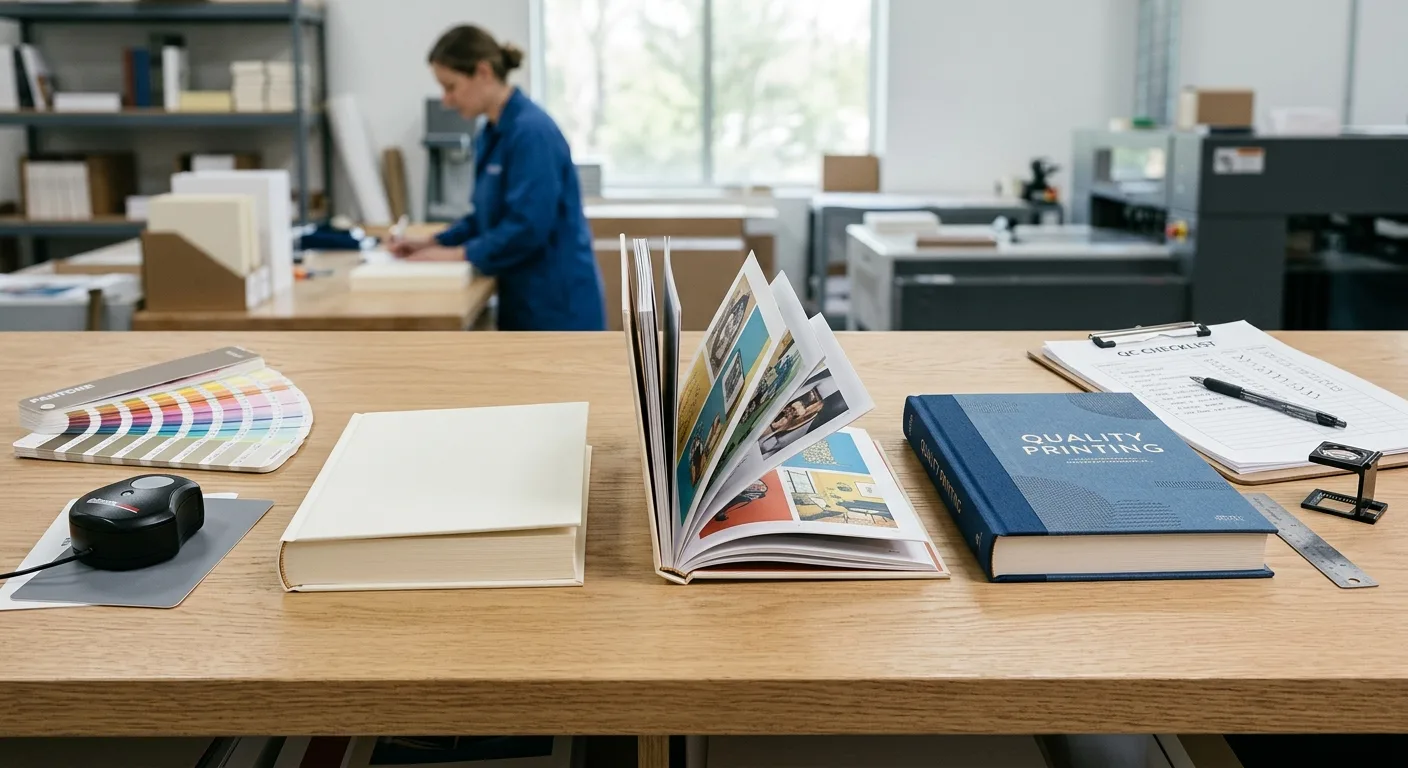
- Proofing: Always request a hard-copy proof (often called a scatter proof or bound proof) before full production begins. This allows you to verify color accuracy and paper feel.
- Lead Times: Factor in 2–4 weeks for offset printing production, plus additional time for freight and postal injection.
Frequently Asked Questions (FAQs)
What is the difference between text weight and cover weight?
Text weight refers to the thinner, more flexible paper used for the interior pages of a publication. Cover weight is a thicker, more rigid cardstock used to protect the outside of the magazine.
Can I use uncoated paper for a photography magazine?
Yes, but it requires careful file preparation. Uncoated paper absorbs ink, which can make dark photos look muddy and lose contrast. Photographers often prefer gloss or silk coated papers for maximum detail, though uncoated is popular for artistic, vintage aesthetics.
Why did my magazine covers crack along the spine?
Cracking usually occurs when heavy cover stock is folded against the grain without proper scoring, or when UV coating is applied over the fold. Utilizing lamination and ensuring the printer scores the cover before folding will prevent this.
Is PUR binding worth the extra cost?
For magazines over 100 pages, heavily used catalogs, or premium publications, PUR binding is highly recommended. It offers superior flexibility and prevents pages from falling out compared to traditional EVA adhesives.
How can I protect my magazines during shipping?
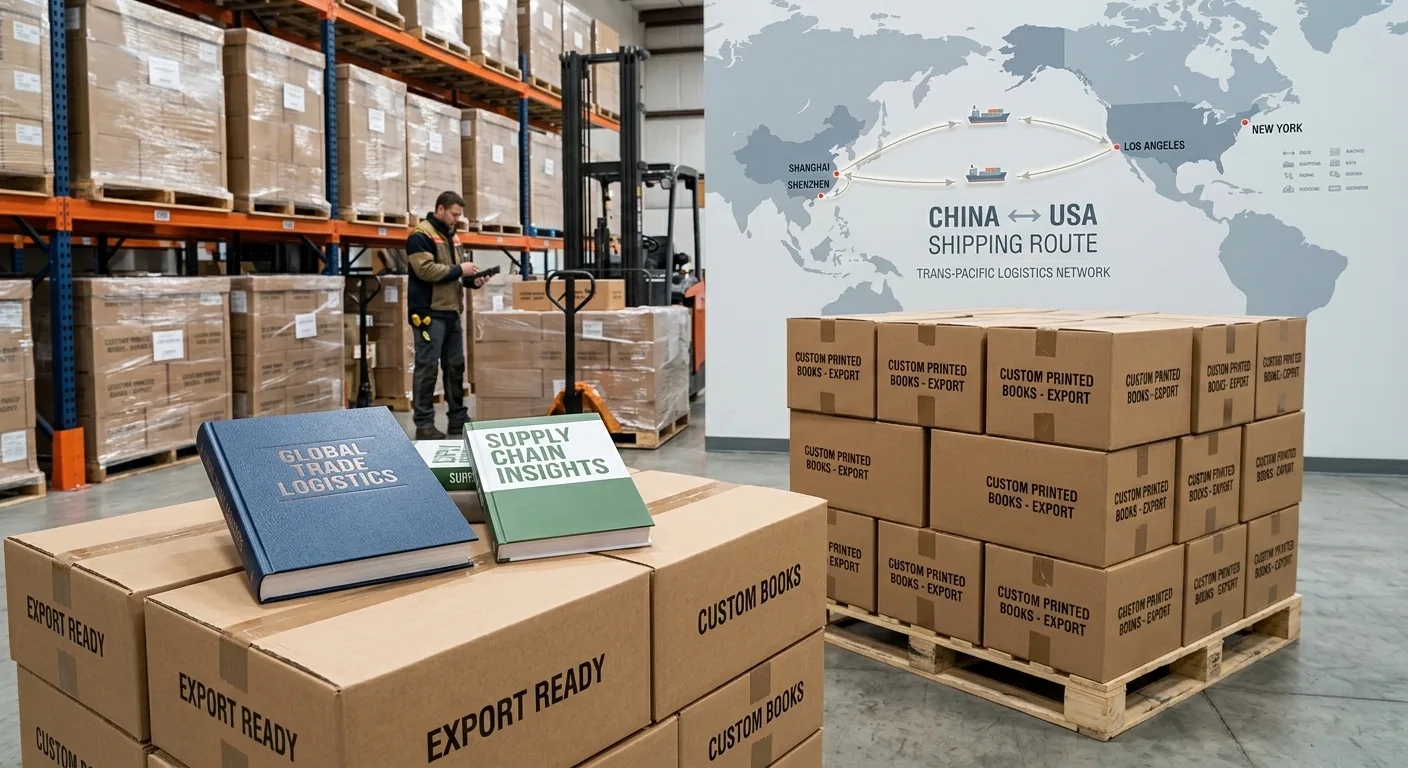
Discuss packaging options with your printing partner. Bulk magazines should be securely packed in heavy-duty, double-walled corrugated cartons, shrink-wrapped in manageable bundles, and palletized securely to prevent shifting during transit.
Ready to Start Your Next Publication?
Navigating paper stocks, coatings, and binding methods doesn’t have to be overwhelming. Partnering with an experienced commercial printing facility ensures your publication looks professional and stands up to the demands of distribution. If you are ready to explore options for your custom magazine printing project, reach out to our team today to Request a quote / Get a sample.