
In the commercial printing industry, technology evolves rapidly, yet one method remains the gold standard for high-volume, high-quality production: offset printing. While digital alternatives have carved out a significant market share for short runs, offset lithography continues to dominate when precision, color fidelity, and economies of scale are paramount. For B2B buyers sourcing OEM/ODM manufacturing, understanding the mechanics and benefits of this process is essential for optimizing procurement costs and product quality.
Understanding the Offset Printing
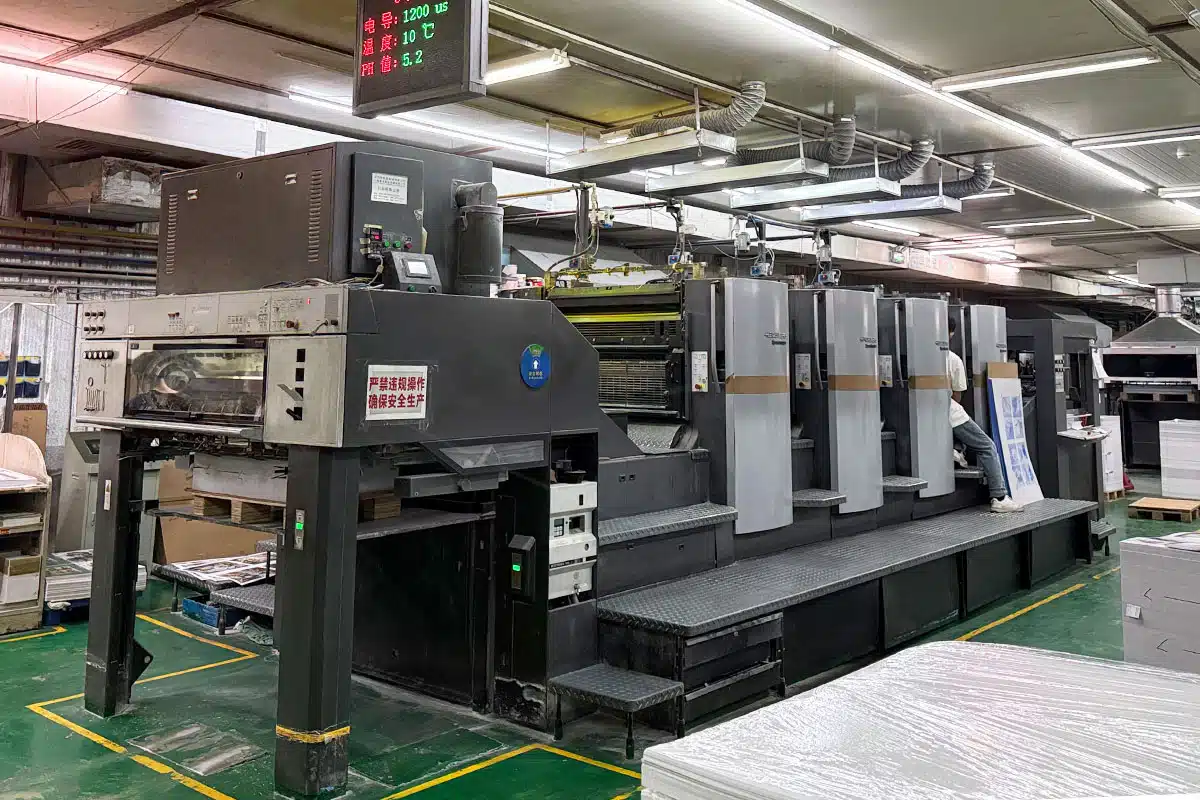
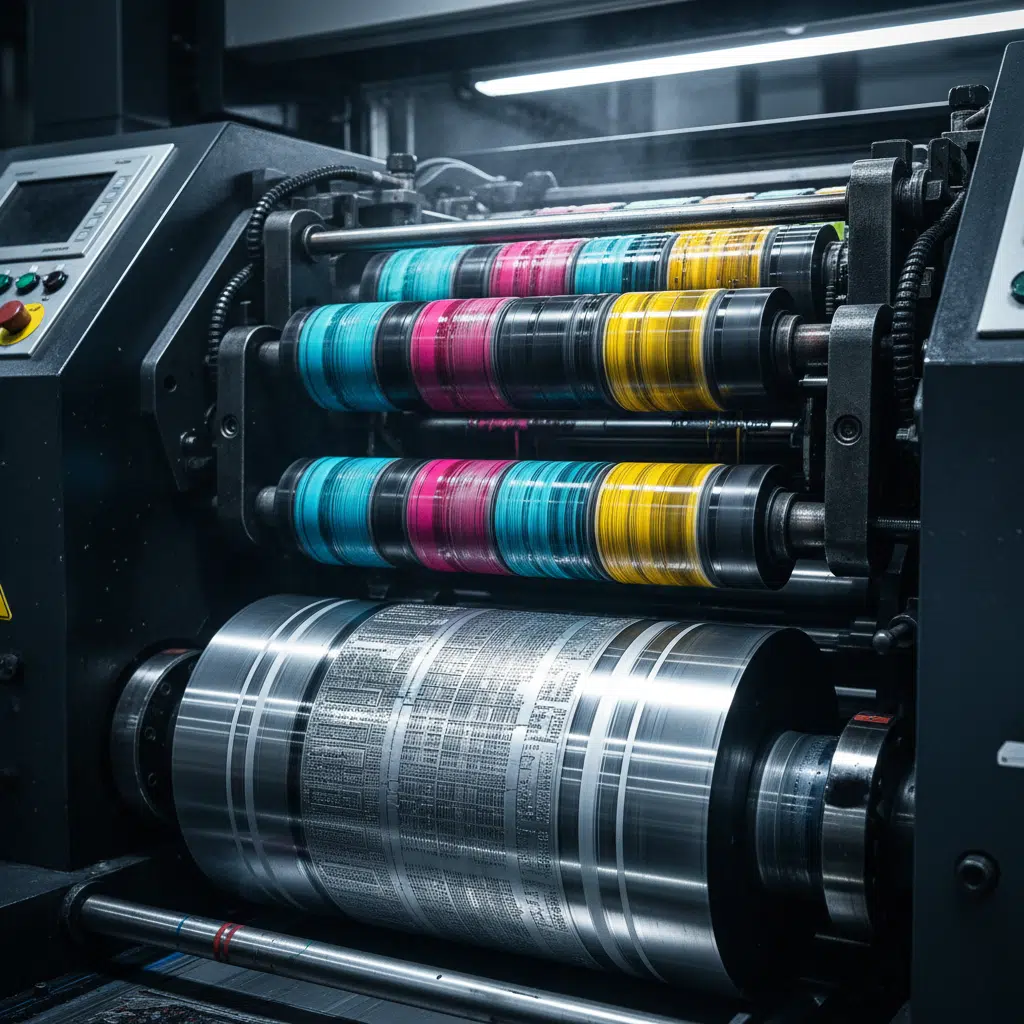
Offset printing, often referred to as offset lithography, is an indirect printing method. Unlike digital printing, where ink is sprayed directly onto the paper, offset printing transfers (or “offsets”) the inked image from a metal plate to a rubber blanket, and then finally onto the printing surface.
The process relies on the fundamental principle that oil and water do not mix. The image area on the printing plate is treated to be oleophilic (ink-accepting), while the non-image area is hydrophilic (water-accepting). During production, the plate is dampened with water and then coated with ink. The ink adheres only to the image area, ensuring clean lines and distinct separation.
Why Offset Printing for Commercial Procurement
For businesses ordering bulk materials—whether packaging, catalogs, or books—offset printing offers specific advantages that other methods cannot match.
1. Superior Image Quality and Color Accuracy
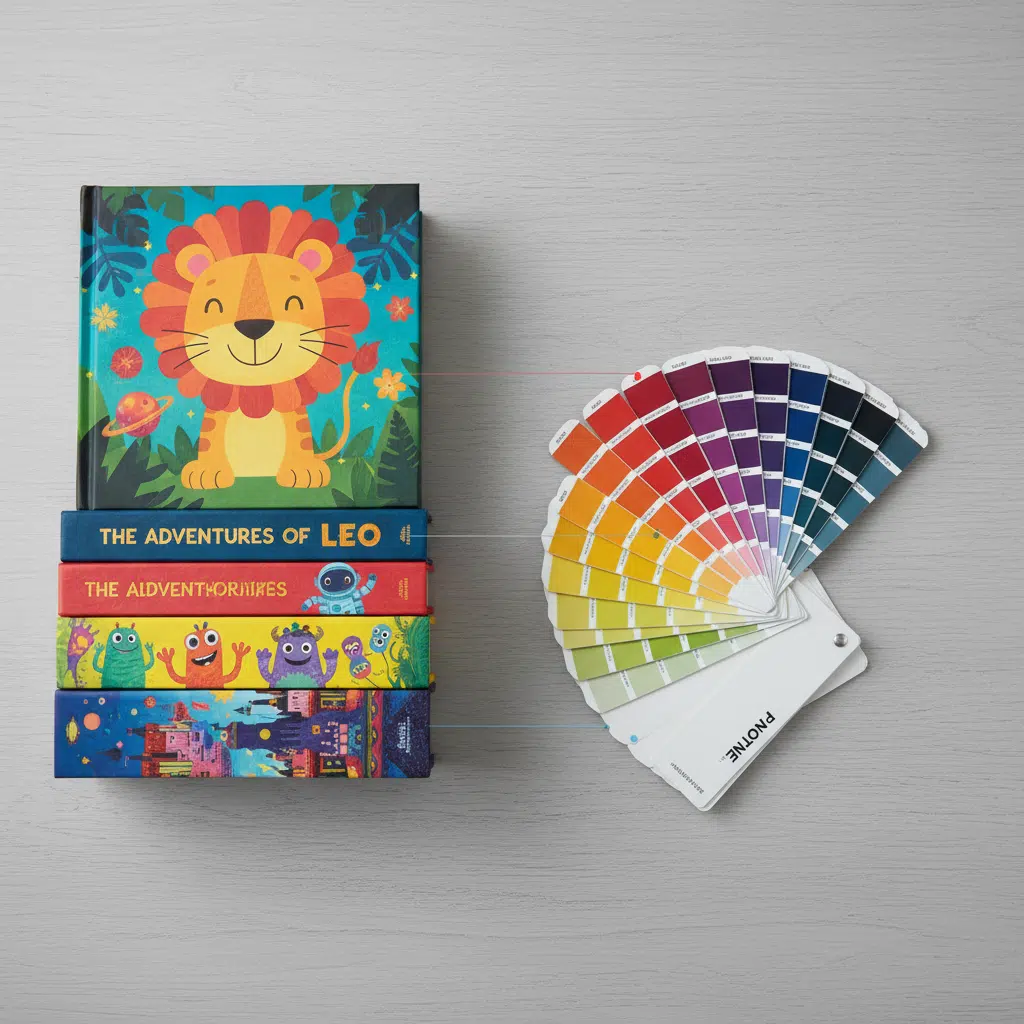
Offset presses produce sharp, clean images and type. The rubber blanket conforms to the texture of the printing surface, allowing for fine details on various paper grades. More importantly for brand consistency, offset printing supports the Pantone Matching System (PMS). While digital printers simulate colors using CMYK, offset presses can use pre-mixed Pantone inks to achieve exact brand color matches every time.
2. Economies of Scale
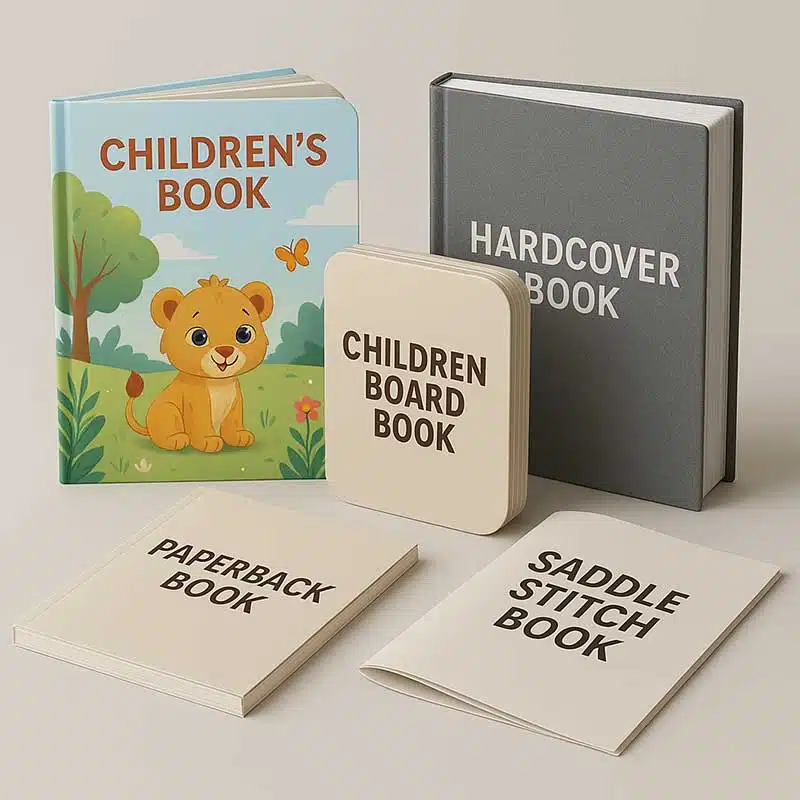
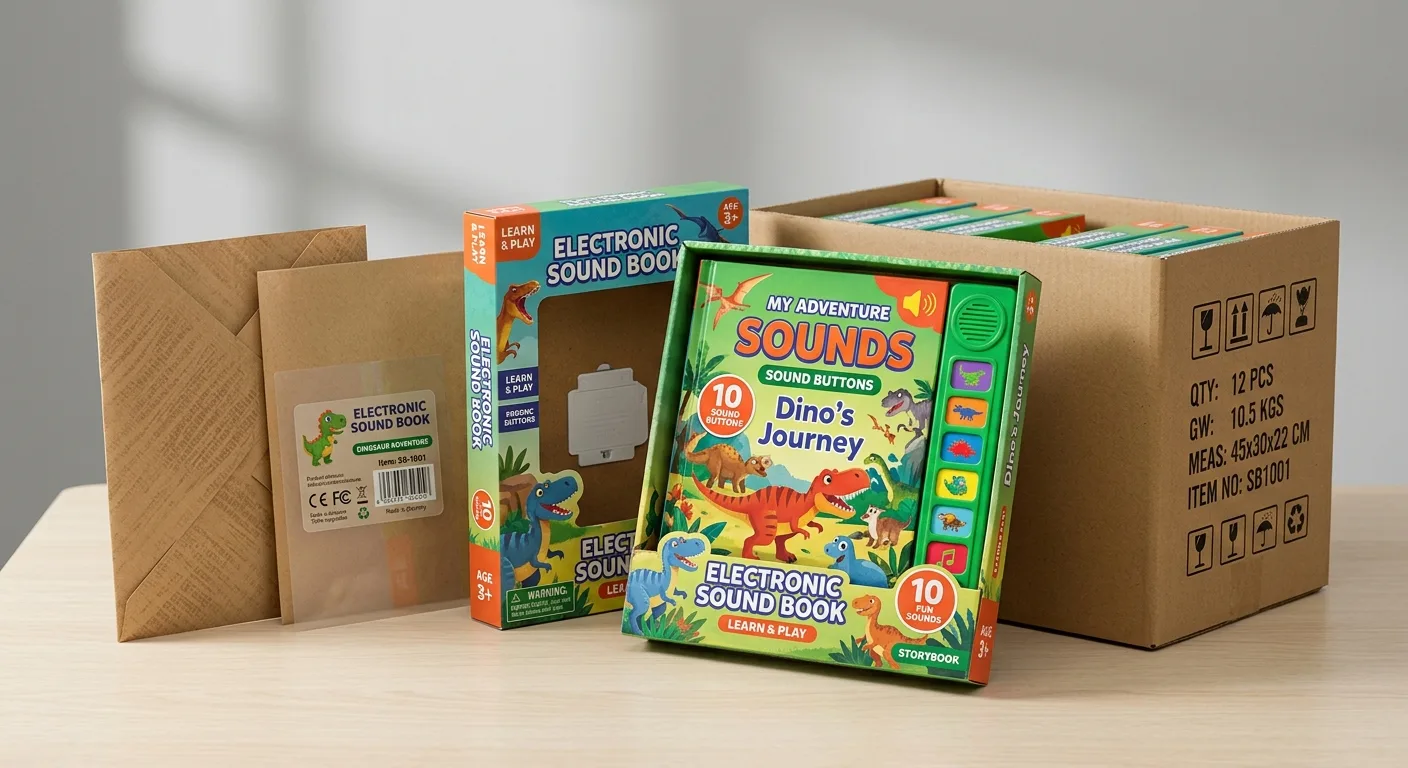
The cost structure of offset printing is front-loaded. The setup involves creating custom metal plates and calibrating the press, which incurs an initial cost. However, once the press is running, the variable cost per unit drops significantly. This makes offset the most cost-effective solution for large production runs, such as mass-market Children’s book printing. The more you print, the lower the price per piece.
3. Material Versatility
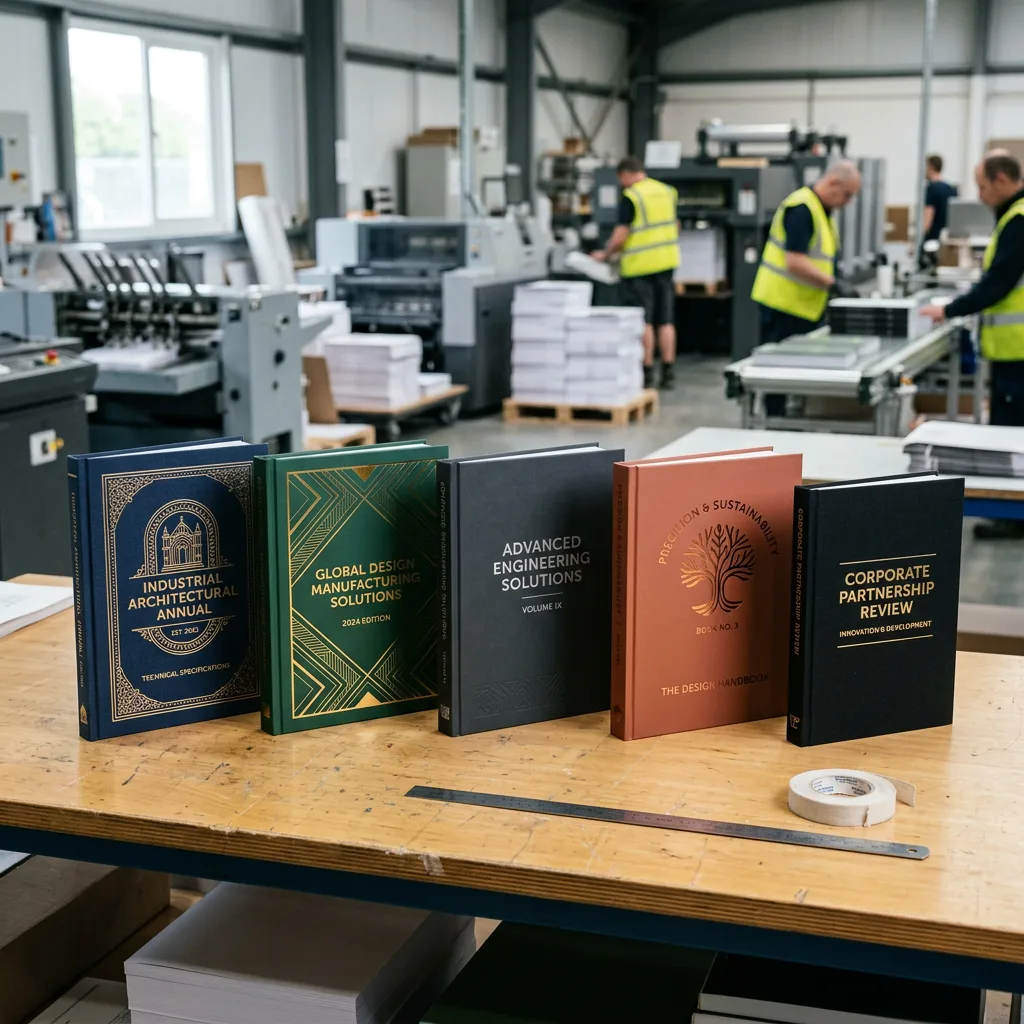
Offset presses are incredibly adaptable regarding substrates. They can print on wood-free paper, coated art paper, cardboard, and even synthetic materials. This versatility is crucial when selecting Five types of paper for printing children’s books to ensure durability and visual appeal. Whether the project requires heavy cardstock for packaging or specialized textures for artistic projects, offset accommodates a wider range of specifications than standard digital presses.
Offset vs. Digital: Choosing the Right Method
Deciding between offset and digital printing usually comes down to volume and timeline. Digital printing requires zero setup, making it ideal for on-demand printing or runs under 500 copies. However, for industrial-scale orders, offset is the logical choice.
For a deeper dive into how these methodologies compare specifically in the publishing sector, you can read A Comprehensive Guide to Book Printing Methods: Offset, Digital, and POD. This comparison helps clarify why offset is preferred for projects requiring consistent quality across thousands of units.
Applications in OEM/ODM Manufacturing
As an OEM/ODM provider, we utilize offset printing for a variety of complex product lines. The stability of the offset process is particularly beneficial for products that require intricate assembly or special finishes.
Complex Book Structures
Products like Sticker Book Printing require precise alignment and high-quality adhesive substrates. Offset printing ensures that the background imagery remains vibrant and consistent, providing a high-quality canvas for the stickers. The registration accuracy of offset presses is vital here to ensure that cut lines match the printed designs perfectly.
Customization and Finishes
Offset printing allows for inline finishing options that add value to the final product. These include:
- Spot UV: High-gloss coating applied to specific areas.
- Metallic Inks: using actual metal particles for a shimmer effect.
- Soft-touch Aqueous Coating: Providing a velvet-like tactile experience.
The Production Workflow
Engaging in an offset printing project follows a structured workflow designed to minimize errors and maximize quality:
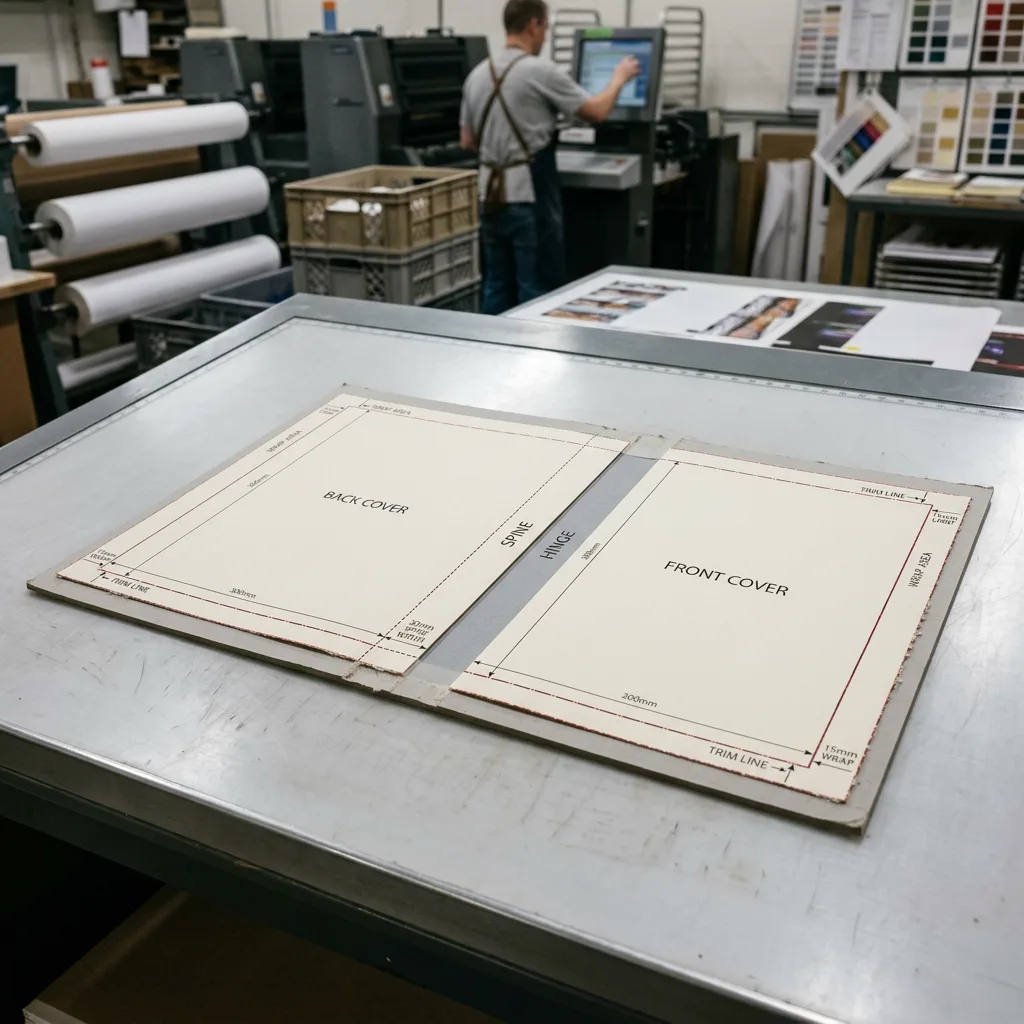
- Design and Pre-press: Files are checked for resolution and bleed. Plates are imaged using Computer-to-Plate (CTP) technology.
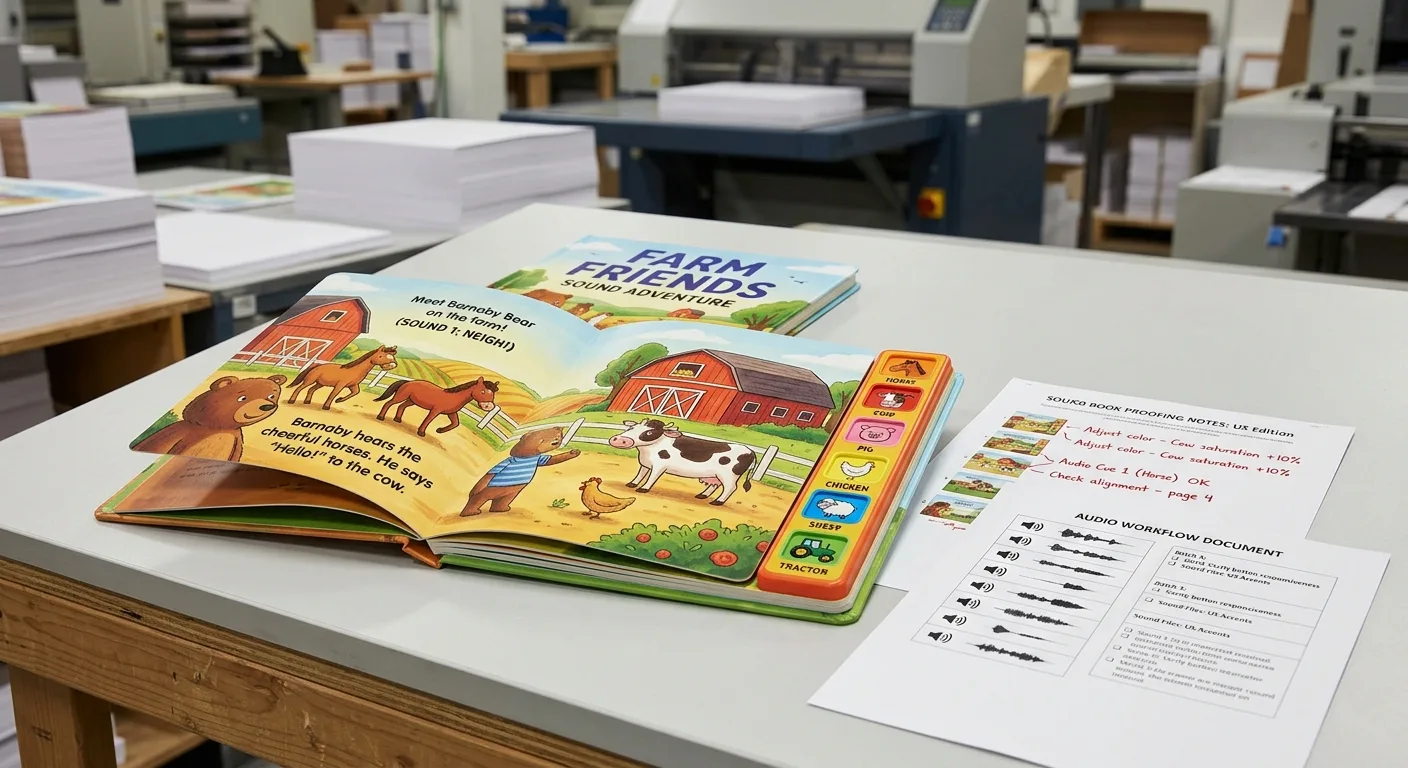
- Proofing: Before mass production, a hard proof or digital proof is approved to verify color and layout.
- Printing: The press runs the job. Skilled operators monitor ink density and registration throughout the run.
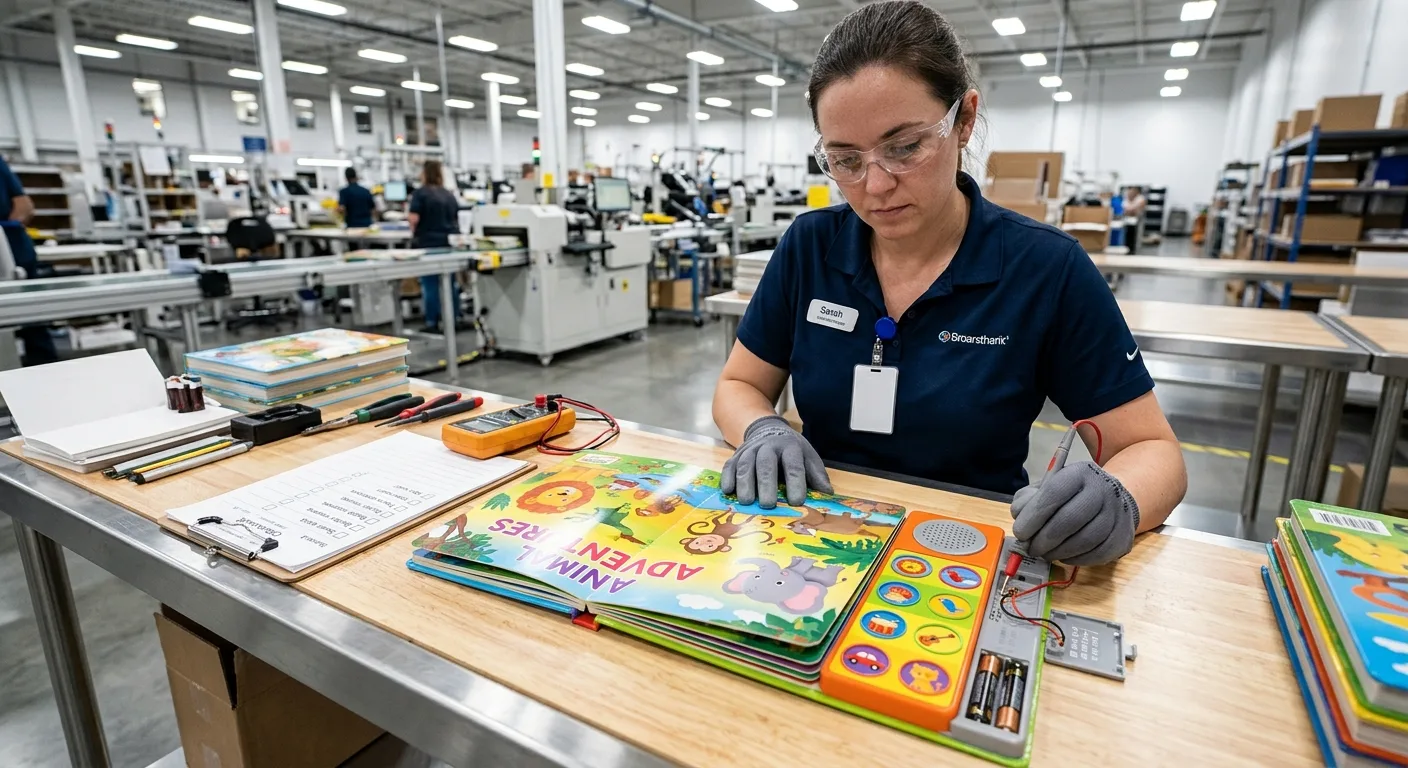
- Post-Press: Cutting, folding, binding, and packaging.
We provide comprehensive OEM/ODM services, managing this entire lifecycle. From typical MOQs to managing lead times and ensuring all certifications are met, our workflow is optimized for B2B clients requiring reliability.
Conclusion
Offset printing remains the backbone of the commercial printing industry for a reason. Its ability to deliver high-volume orders with unmatched quality and lower unit costs makes it the preferred choice for professional buyers. Whether you are producing educational materials, marketing collateral, or retail packaging, understanding this process ensures you make informed decisions for your supply chain.
Ready to start your next high-volume project? Request a quote / Get a sample today to see the difference professional offset printing can make.