
Introduction
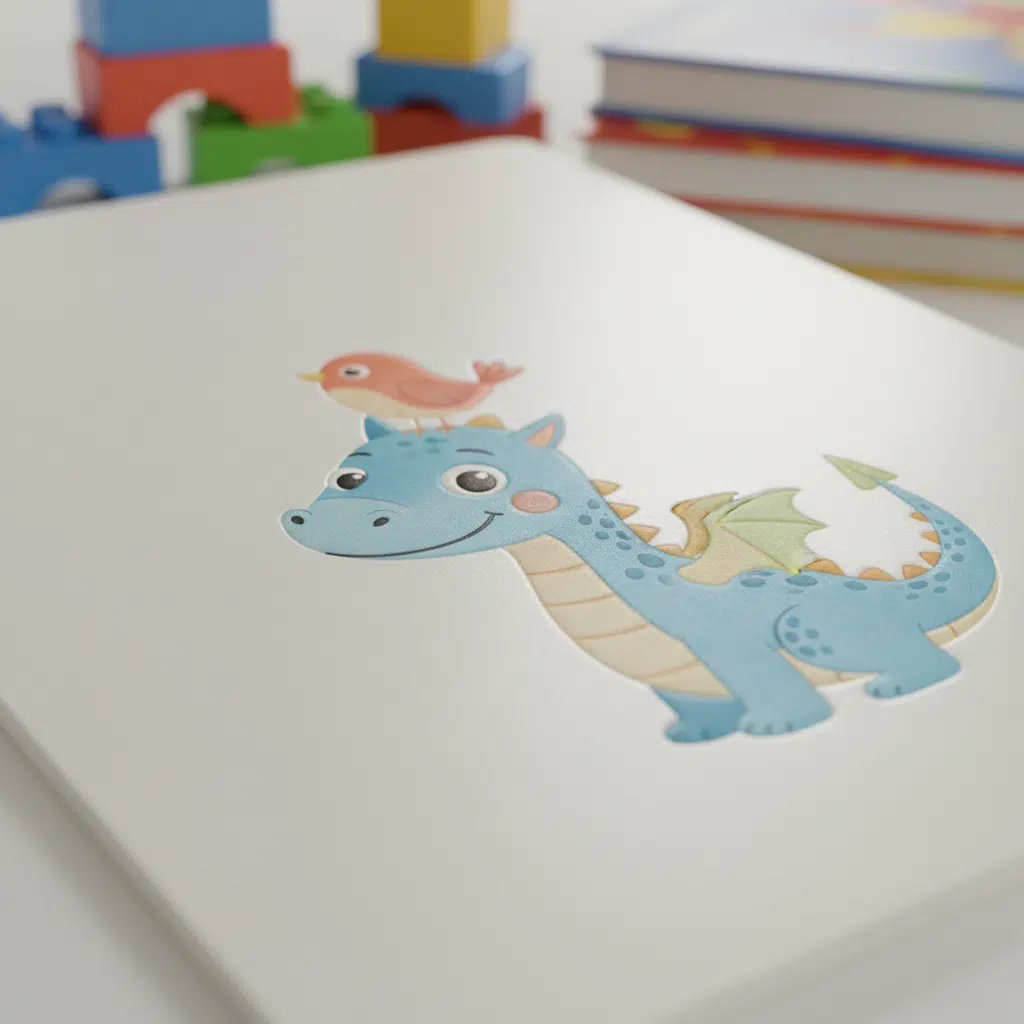
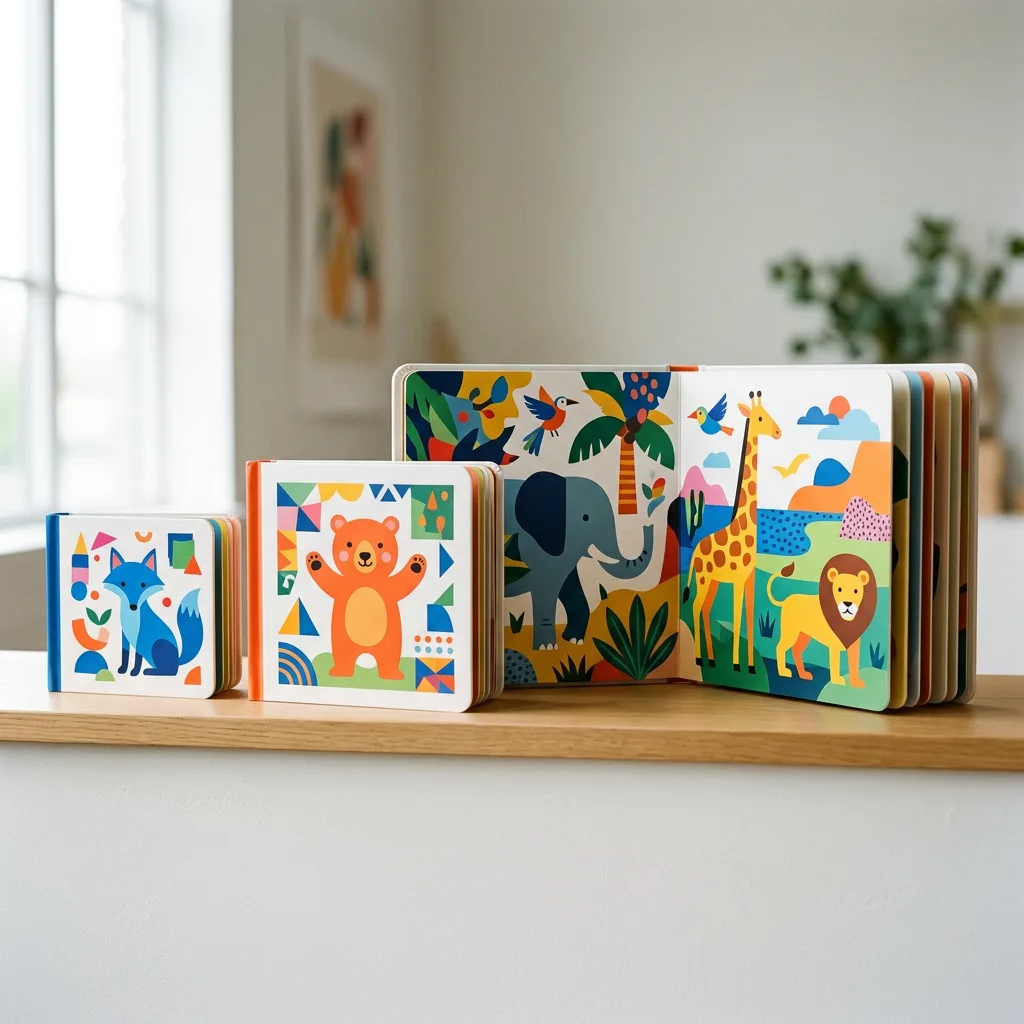
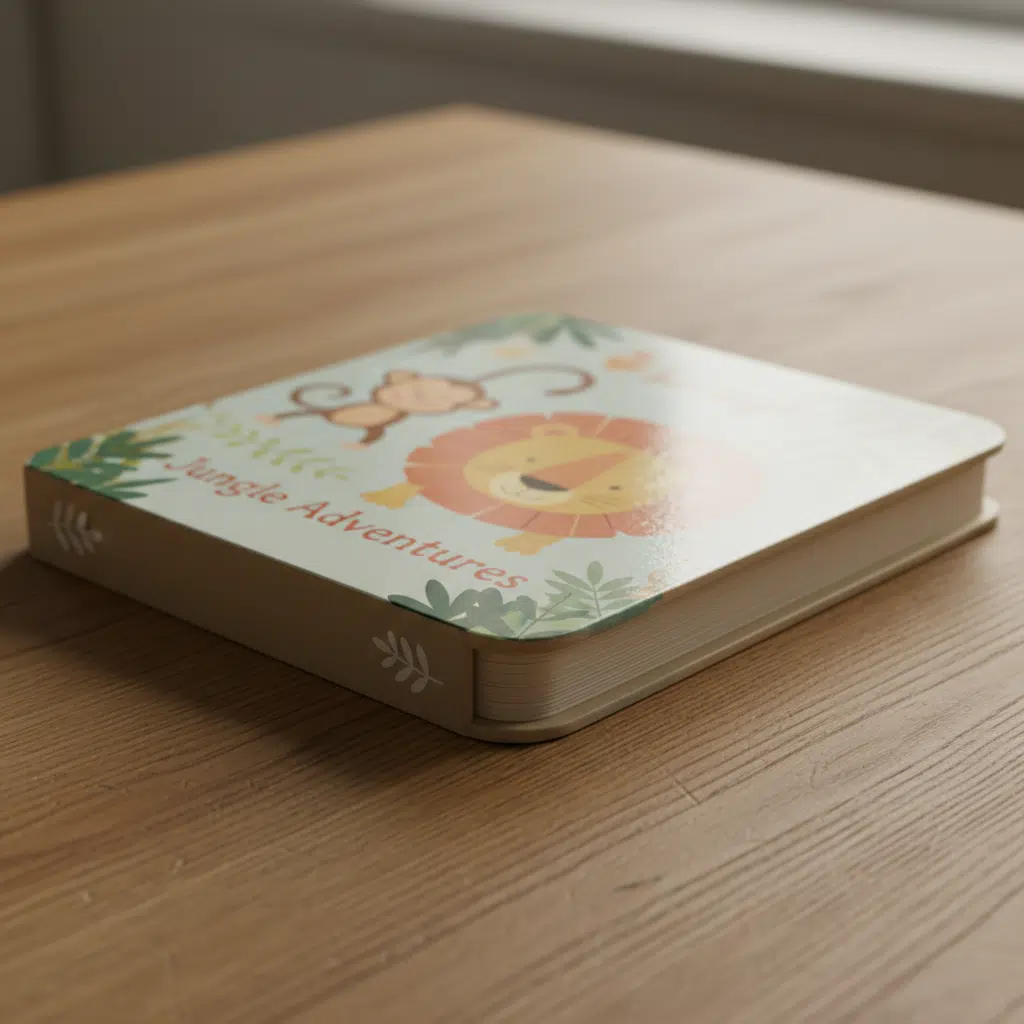
When it comes to producing high-quality board books, the paper type plays a crucial role in the final product’s durability, feel, and printability. Board books, typically designed for young children, must endure frequent handling, rough play, and even accidental spills. Therefore, selecting the right paper type is essential to ensure the longevity of the book. This guide helps publishers navigate the different paper types suitable for board book printing, highlighting key features like durability, thickness, and suitability for children’s books.
Key Concepts and Definitions
Before diving into the specifics of paper types, let’s clarify some important concepts related to board book printing:
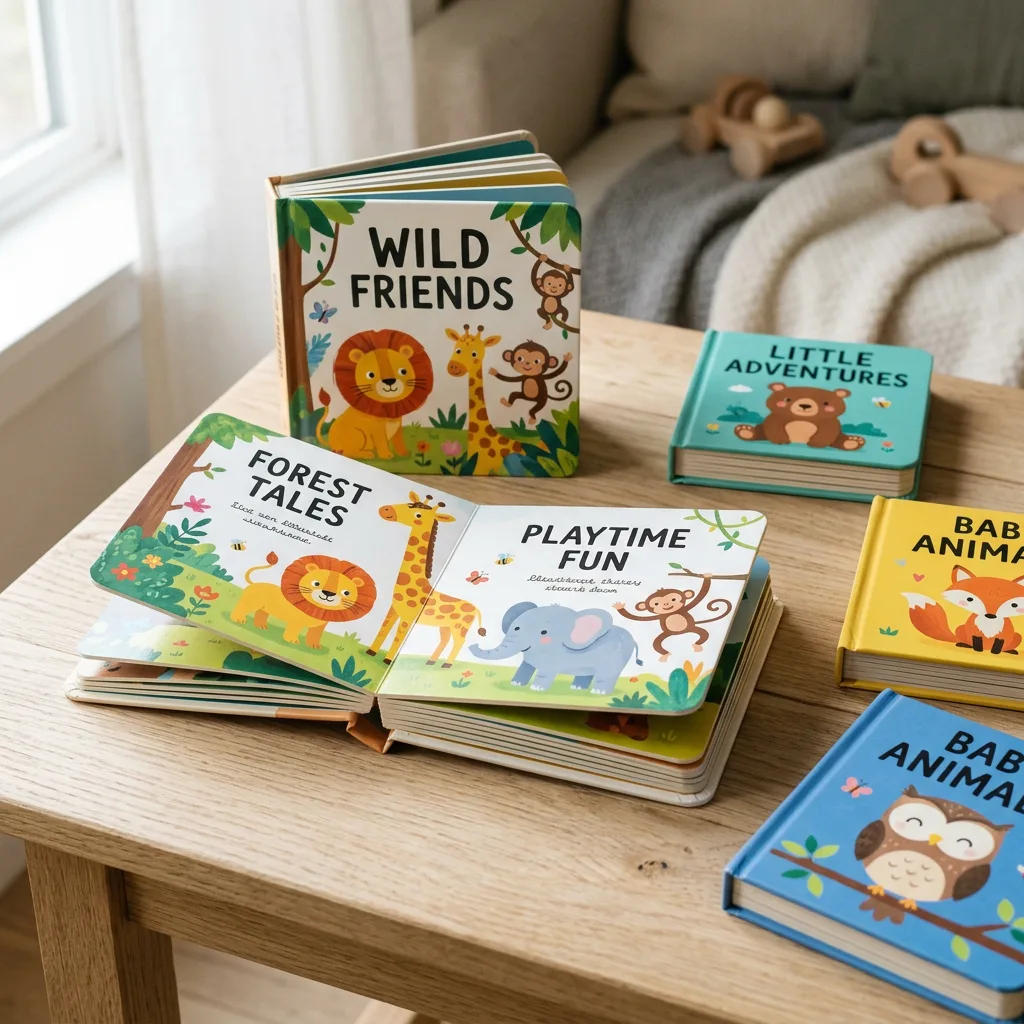
- Board Book: A book made from thick, sturdy paperboard instead of regular paper, ideal for young readers due to its resilience.
- Paper Weight: A measure of the paper’s thickness, typically expressed in grams per square meter (gsm). The higher the gsm, the thicker the paper.
- Durability: Refers to the paper’s ability to withstand wear and tear over time, an essential factor for children’s books that are often handled roughly.
- Coating: A finish applied to the paper to improve print quality, enhance durability, and provide resistance to smudging and moisture.
Options & Comparisons
Here are the main paper types used for board book printing, each with its own advantages and ideal use cases:
1. Paperboard (Common for Board Books)
Paperboard is the most common material used for board books. It’s thicker and sturdier than regular paper, allowing the book to withstand frequent use. Paperboard can come in various grades and weights, providing flexibility for publishers.
- Pros: Highly durable, resistant to bending, and offers a premium feel.
- Cons: Heavier than other paper types, which can increase production and shipping costs.
2. Chipboard
Chipboard is another commonly used material for board books. Made from recycled paper, it’s cost-effective and sturdy enough to create durable board books.
- Pros: Eco-friendly (if made from recycled materials), economical, and provides adequate strength.
- Cons: May not have the same smooth finish as paperboard, which could affect print quality.
3. Cardstock
Cardstock is often used in combination with other materials to provide extra thickness and durability. It’s more rigid than regular paper but not as thick as chipboard or paperboard.
- Pros: Lightweight, easier to print on, and available in a variety of finishes.
- Cons: Less durable than paperboard or chipboard and may not withstand excessive handling.
Specifications and Technical Factors
When selecting the right paper type for board book printing, several technical factors must be considered:
- Weight (GSM): Higher GSM values indicate thicker and more durable paper. For board books, paper with a GSM between 250 and 400 is typical, though heavier options may be suitable for particularly durable projects.
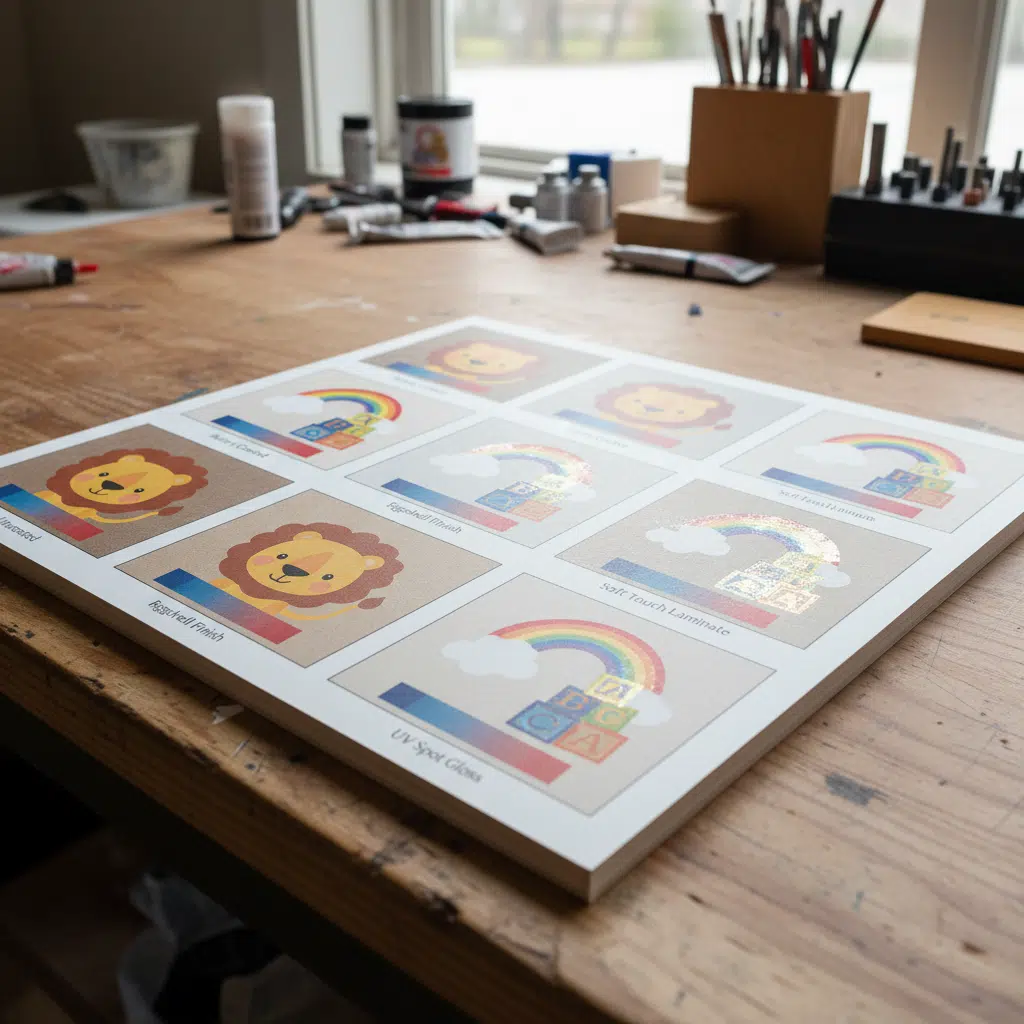
- Coating: A glossy coating can enhance color vibrancy and protect the book from moisture and dirt. However, it can make the book more prone to fingerprints.
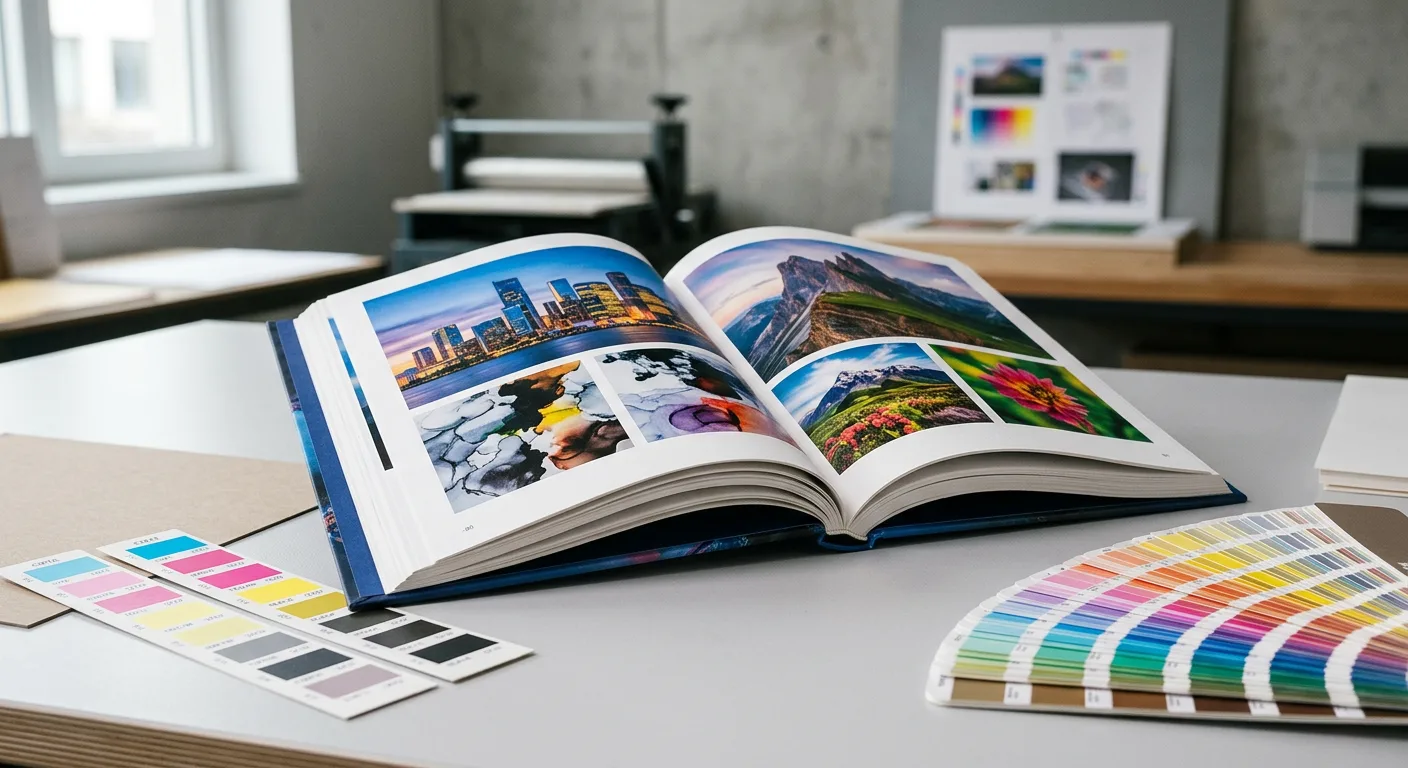
- Printing Compatibility: Some paper types, like coated paper, may have better print quality for images and colors, while others may absorb ink differently, affecting the final print outcome.
Manufacturing and Quality Considerations
When deciding on the paper type for your board book, consider the following manufacturing and quality factors:
- Print Test: Always conduct a print test to evaluate the color, sharpness, and durability of the chosen paper type.
- QA and Inspection: Ensure that the paper type you select undergoes rigorous quality control checks to meet durability standards. This includes ensuring the paperboard or cardstock is free from defects like warping or inconsistent thickness.
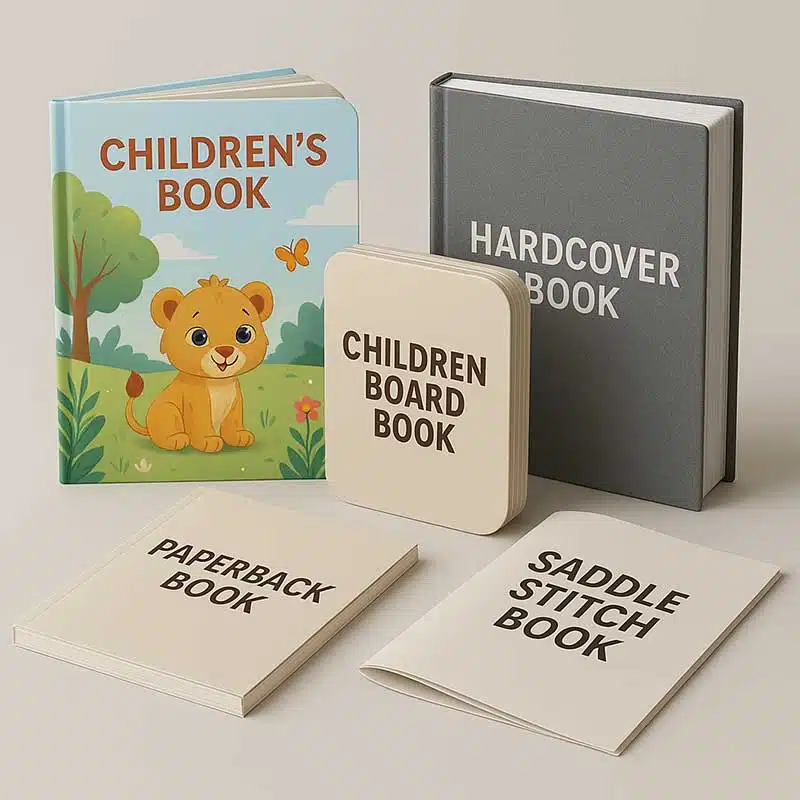
- Binding: The binding method (such as saddle stitch, perfect binding, or case binding) will affect how well the paper type holds up over time, especially in children’s books.
Buying Guide
When ordering board book printing, here are some key points to consider:
- MOQ (Minimum Order Quantity): Most printing companies require a minimum order, which may vary depending on the paper type and book format.
- Customization: Depending on the printer, you may be able to choose custom sizes, finishes, and paper options for your board book.
- Sampling: Always request a sample before finalizing your order to ensure the paper type and print quality meet your expectations.
- Timelines: Printing timelines may vary based on order size and complexity. Plan accordingly to meet your deadlines.
FAQs
1. What is the best paper for children’s board books?
Paperboard is typically the best option due to its thickness, durability, and resistance to tearing and bending.
2. Can I use glossy paper for board books?
Yes, glossy paper can enhance the colors and overall appearance of your book, though it may be more prone to smudging and fingerprints.
3. What is the difference between chipboard and paperboard?
While both are used for board books, paperboard tends to have a smoother finish and higher durability, while chipboard is typically more affordable and eco-friendly.
4. How thick should board book paper be?
For durability, aim for a GSM between 250 and 400. Thicker paper will last longer but may increase production costs.
5. How do I ensure my board book is durable?
Choose high-quality paper, conduct a print test, and ensure proper binding methods are used to enhance durability.
Conclusion
Selecting the right paper type for your board book printing project is essential for producing a high-quality, durable product. By understanding the various paper options and their characteristics, you can make an informed decision that meets your specific needs. Whether you’re creating a children’s book or another type of board book, consider durability, print quality, and cost to choose the best material for your project. Request a quote or get a sample to begin your project today.