
Introduction
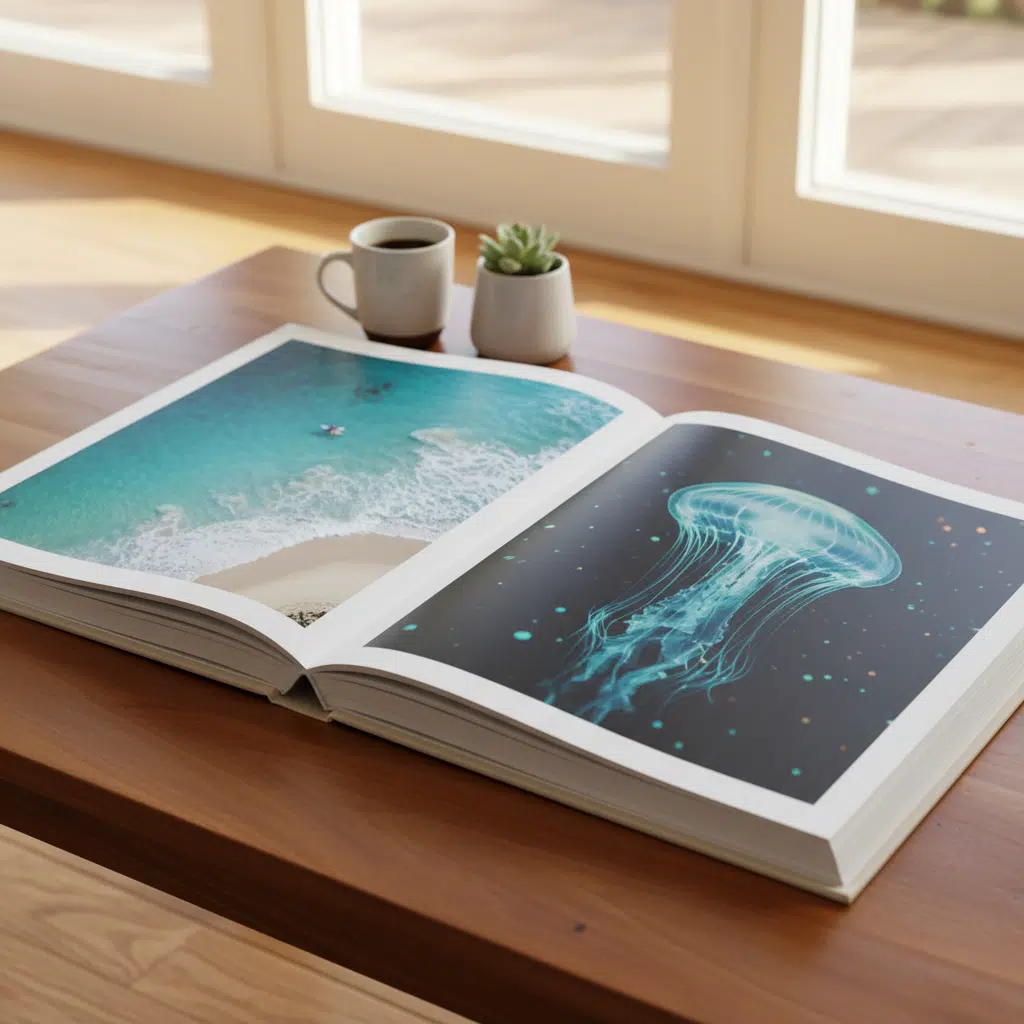
For designers and publishers creating high-end coffee table books, ensuring durability while maintaining aesthetic appeal is a key challenge. Coffee table books are meant to last, often becoming treasured pieces of art or valuable reference materials. The choice of book binding significantly affects both the longevity and overall look of these books. In this article, we explore how different book binding techniques impact the durability and visual qualities of coffee table books, offering insight into the best binding methods for premium, long-lasting editions.
Key Binding Methods and Their Impact on Durability
Several binding methods can be employed to enhance the durability of coffee table books. Each method comes with its advantages and disadvantages depending on the desired aesthetics, use case, and longevity of the book.
Hardcover Binding
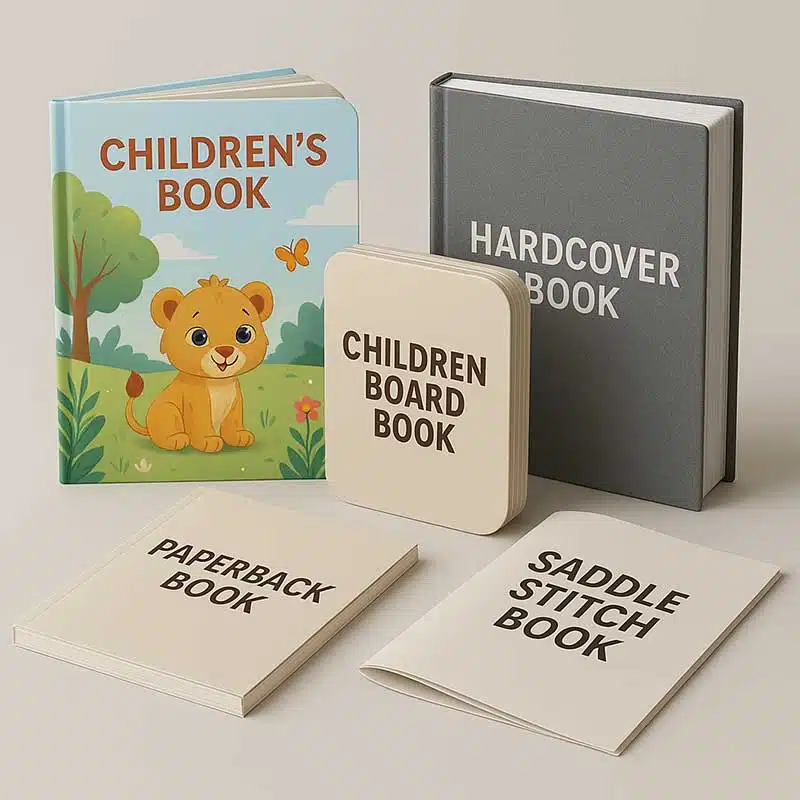
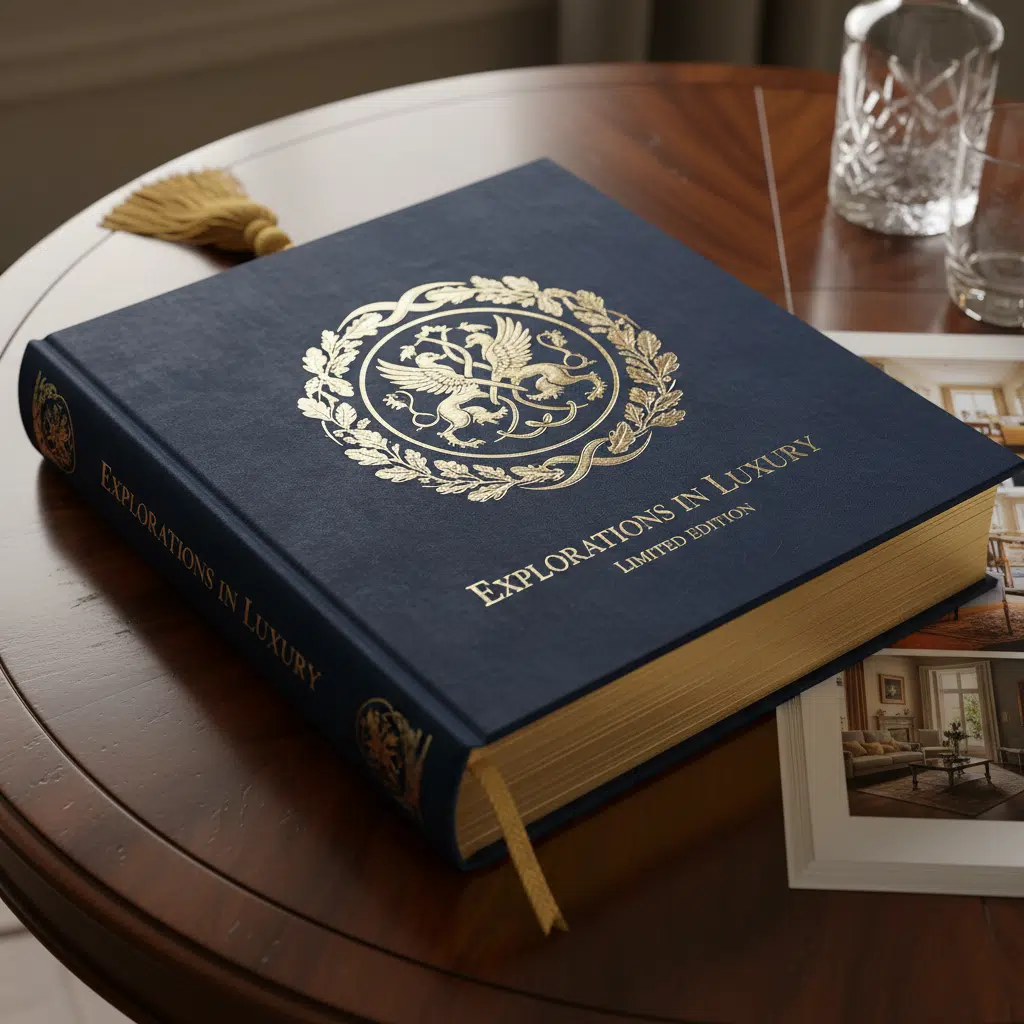
Hardcover binding, also known as case binding, is often the preferred choice for coffee table books due to its durability and premium appearance. This method involves sewing or gluing the pages together and then encasing them in a rigid, hard cover, typically made from thick board material. The hardcover’s structure protects the book from physical wear, making it ideal for long-term use.
Pros: Strong and durable, provides a premium look and feel, offers a wide range of customization options.
Cons: More expensive than other binding methods, heavier in weight.
Leather Binding
Leather binding is another elegant option for coffee table books. This method involves binding the pages with leather, which can provide a luxurious touch to the book. While leather-bound books are aesthetically pleasing, they also offer a significant level of durability and resistance to wear and tear.
Pros: Elegant, luxurious appearance, excellent durability, can age gracefully over time.
Cons: Expensive, may require special care to maintain the leather’s appearance.
Spiral and Wire-O Binding
Spiral or Wire-O binding uses metal or plastic spirals to bind the pages together. While not as durable or protective as hardcover binding, these methods are often used in books that require flexibility, such as photo albums. However, they are not typically suited for high-end coffee table books, which demand both durability and aesthetic appeal.
Pros: Cost-effective, allows the book to lie flat when open.
Cons: Less durable, less professional-looking compared to hardcover or leather binding.
Lay-Flat Binding
Lay-flat binding techniques, such as the lay-flat Smyth sewn binding, allow pages to open fully and remain flat when the book is open. This is particularly beneficial for coffee table books that feature large, detailed images. While not as sturdy as hardcover binding, lay-flat binding provides excellent presentation and usability for high-quality image-heavy books.
Pros: Allows the book to open flat, ideal for photo-centric books.
Cons: May not provide the same level of durability as hardcover binding.
Choosing the Right Binding for Your Coffee Table Book
The choice of binding should be based on the book’s intended use, budget, and aesthetic goals. For a high-end coffee table book, hardcover or leather binding is typically the best choice, as they offer superior durability and a premium finish. However, for books that prioritize usability over longevity, such as photo albums, spiral or lay-flat binding may be more suitable.
Considerations for Designers and Publishers
Designers and publishers should also consider the materials used for the cover and binding. Premium finishes, such as foil stamping, embossing, and custom coating, can enhance the visual appeal of the book, making it stand out as a luxurious product. Furthermore, the paper quality and weight should complement the binding method to ensure the overall quality of the book.
Manufacturing and Quality Control
When choosing a binding method, it is crucial to ensure that the binding process is done with precision. High-quality materials should be used, and quality control should be an integral part of the production process. Manufacturers should also consider lead times, minimum order quantities (MOQ), and the potential for customization when discussing options with clients.
Buying Guide: Key Factors to Consider
- Minimum Order Quantities (MOQ): Consider the MOQ requirements when ordering high-end coffee table books. MOQ may vary depending on the binding method.
- Customization Options: Ensure that the chosen binding method allows for the desired level of customization, including cover design, material finishes, and paper quality.
- Lead Time: Longer lead times may be required for premium binding methods, so plan ahead for production.
- Samples: Request samples of different binding methods to compare their quality and appearance before committing to a full production run.
FAQs
1. What is the most durable binding for coffee table books?
Hardcover binding is typically the most durable option for coffee table books due to its protective structure and premium finish.
2. Can leather binding be used for coffee table books?
Yes, leather binding is an excellent choice for high-end coffee table books due to its luxurious appearance and long-lasting durability.
3. What are the benefits of lay-flat binding?
Lay-flat binding allows the book to open fully and remain flat, making it ideal for image-heavy coffee table books.
4. How does binding affect the overall cost of coffee table books?
Binding significantly impacts the cost of production. Hardcover and leather bindings tend to be more expensive, while options like spiral or Wire-O binding are more cost-effective.
5. What should I consider when choosing a binding method?
Consider the intended use, desired aesthetics, durability, budget, and any customization options when choosing a binding method.
Request a Quote or Sample
When you’re ready to bring your coffee table book project to life, contact us for a quote or request a sample to explore our high-quality binding options. [YABG_LINK:idx]