
Introduction
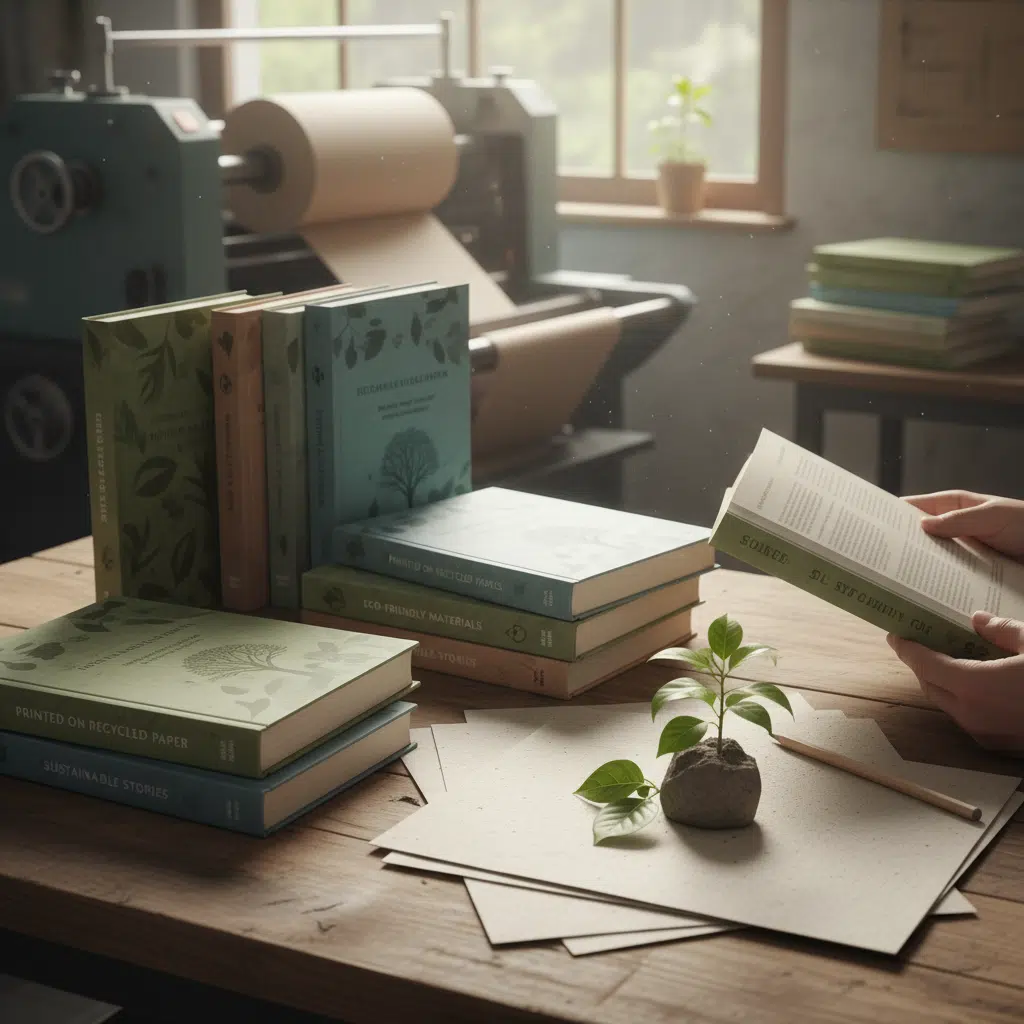
As sustainability becomes a key consideration in every industry, eco-friendly paper for book printing has gained significant traction. Eco-conscious publishers and printing buyers are increasingly looking for ways to reduce their environmental impact while maintaining high-quality standards. This article delves into the advantages of using eco-friendly and recycled paper for book printing, examining environmental benefits, cost-effectiveness, and potential challenges.
Key Concepts in Eco-Friendly Paper for Book Printing
Before we explore the benefits, it’s essential to understand what eco-friendly paper means in the context of book printing. Eco-friendly paper refers to paper products that are produced with minimal environmental impact. This can include recycled paper, paper sourced from sustainably managed forests, or paper produced with lower emissions and fewer harmful chemicals.
Types of Eco-Friendly Paper
- Recycled Paper: Made from post-consumer waste, this paper reduces the need for virgin wood pulp and helps minimize landfill waste.
- Sustainable Paper: Paper certified by organizations such as FSC (Forest Stewardship Council), ensuring it comes from responsibly managed forests.
- Chlorine-Free Paper: Produced without chlorine bleaching, reducing harmful emissions and chemicals.
The Environmental Impact of Eco-Friendly Paper
One of the main advantages of using eco-friendly paper is its positive impact on the environment. By choosing eco-friendly materials, publishers can significantly reduce the carbon footprint of their printing processes.
Reducing Deforestation
Deforestation is a major concern in the paper industry. By using recycled paper or paper sourced from sustainable forests, publishers can help reduce the need for new timber, which in turn helps preserve vital ecosystems and biodiversity.
Lower Carbon Footprint
Eco-friendly paper often requires less energy and water to produce, leading to lower carbon emissions compared to traditional paper. This is especially true for recycled paper, which bypasses the need for raw materials and the energy-intensive processes of virgin paper production.
Cost-Effectiveness of Eco-Friendly Paper
While eco-friendly paper may have a reputation for being more expensive, the cost benefits over time can make it a smart investment for many publishers and printing companies.
Long-Term Savings
Using recycled paper or paper from sustainable sources can reduce costs associated with waste disposal and raw material procurement. In addition, government incentives and consumer demand for sustainable products may offer financial advantages for publishers committed to green printing practices.
Affordable Options for Publishers
While recycled paper may come with a slight premium, there are numerous affordable eco-friendly paper options available. It’s important to work closely with suppliers to identify paper types that fit within budget constraints while still offering sustainability benefits.
Quality Considerations in Eco-Friendly Paper
One concern with eco-friendly paper is its quality compared to traditional paper. However, advancements in printing technology and paper production have made eco-friendly options just as viable for high-quality book printing.
Printing Quality and Durability
Modern eco-friendly papers are designed to offer excellent printability, color reproduction, and durability. Whether it’s for novels, art books, or high-end catalogs, eco-friendly paper can meet the stringent demands of the printing process.
Surface and Texture Options
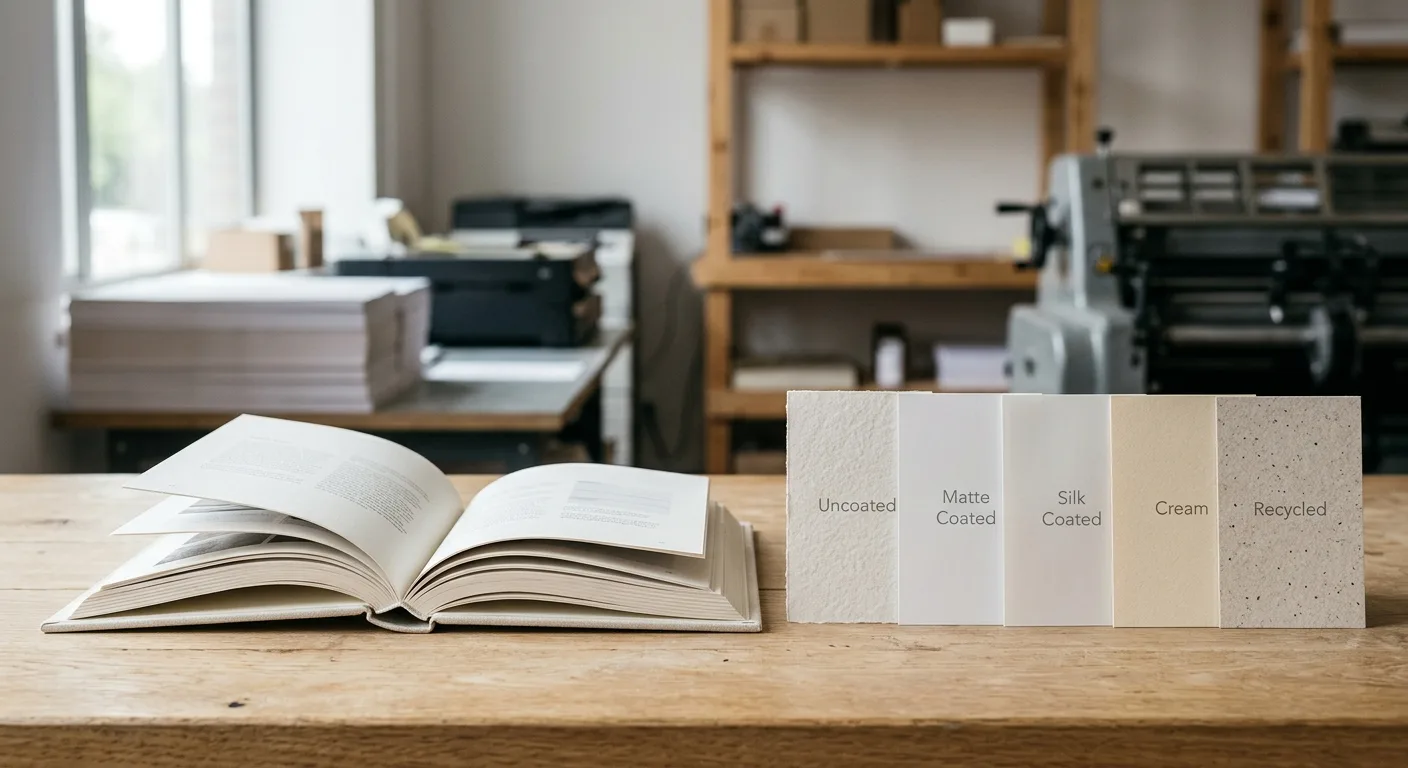
Eco-friendly papers come in a variety of textures and finishes, enabling publishers to maintain the desired aesthetic quality. From smooth matte to textured, recycled and sustainable papers offer versatility in terms of appearance and feel.
Manufacturing and Quality Control Considerations
When selecting eco-friendly paper for book printing, it’s crucial to consider the manufacturing processes and quality control measures involved.
Paper Specifications
Ensure that the paper you choose meets the necessary specifications for your printing project. This includes weight, thickness, texture, and compatibility with different printing techniques (offset, digital, etc.). Working with a supplier that understands your quality requirements is essential to achieving the desired results.
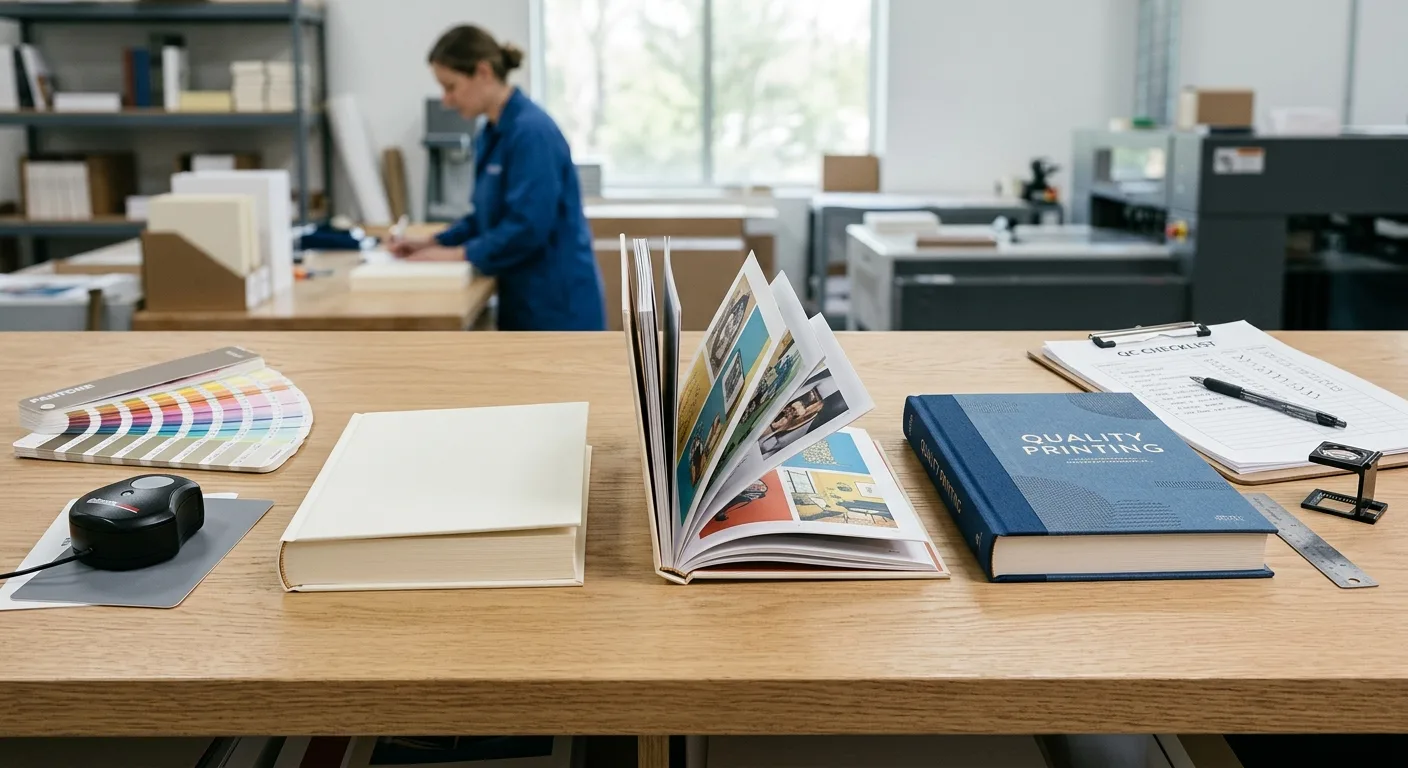
Quality Assurance and Testing
Reputable suppliers will conduct rigorous testing to ensure the paper meets industry standards. It’s vital to request certifications or documentation that verify the eco-friendly paper’s quality and environmental credentials.
Buying Guide: What to Consider When Ordering Eco-Friendly Paper
When ordering eco-friendly paper for book printing, there are several key factors to consider to ensure a smooth process.
Minimum Order Quantities (MOQ)
Different paper types and suppliers may have varying MOQ requirements. Make sure to clarify these details in advance to avoid unexpected costs or delays.
Customization and Artwork
If your project requires specific paper finishes, textures, or customizations, be sure to work with a supplier who can accommodate your requests. Provide clear artwork files and specifications to ensure a seamless production process.
Sampling and Timelines
Before committing to a large order, request samples to ensure the paper meets your quality standards. Additionally, discuss production timelines and lead times to avoid delays in your printing schedule.
FAQs
1. Is eco-friendly paper more expensive than traditional paper?
Eco-friendly paper can be slightly more expensive, but it offers long-term cost savings through reduced waste and environmental benefits.
2. Does eco-friendly paper affect the quality of printed books?
No, modern eco-friendly papers provide high-quality print results and durability comparable to traditional paper.
3. Can eco-friendly paper be used for high-end book printing?
Yes, there are many premium eco-friendly paper options suitable for high-end book printing, including art books and luxury editions.
4. What certifications should I look for in eco-friendly paper?
Look for FSC (Forest Stewardship Council) certification or other recognized environmental certifications that ensure the paper is sourced responsibly.
5. How can I reduce the environmental impact of my printing project?
Choose recycled or sustainably sourced paper, opt for eco-friendly inks, and consider reducing paper usage through efficient layout design.
Conclusion
Choosing eco-friendly paper for book printing is not only a smart business decision but also a crucial step toward a more sustainable future. By considering environmental impact, cost-effectiveness, and quality, publishers can make informed decisions that align with their sustainability goals. Ready to explore eco-friendly printing options? [YABG_LINK:1] Request a quote or [YABG_LINK:2] get a sample today.