
Table of Contents
- What determines the cost?
- The main cost factors
- Standard shape vs custom die-cut
- Product options to compare
- Checklist for an accurate quote
- Ways to manage the budget
The cost of a custom shaped board book depends on its finished size, die-cut complexity, page count, board construction, print quantity, finishing, and delivery destination. This guide explains how those choices affect a quote and what to prepare before requesting one.
What determines the cost of a custom shaped board book?
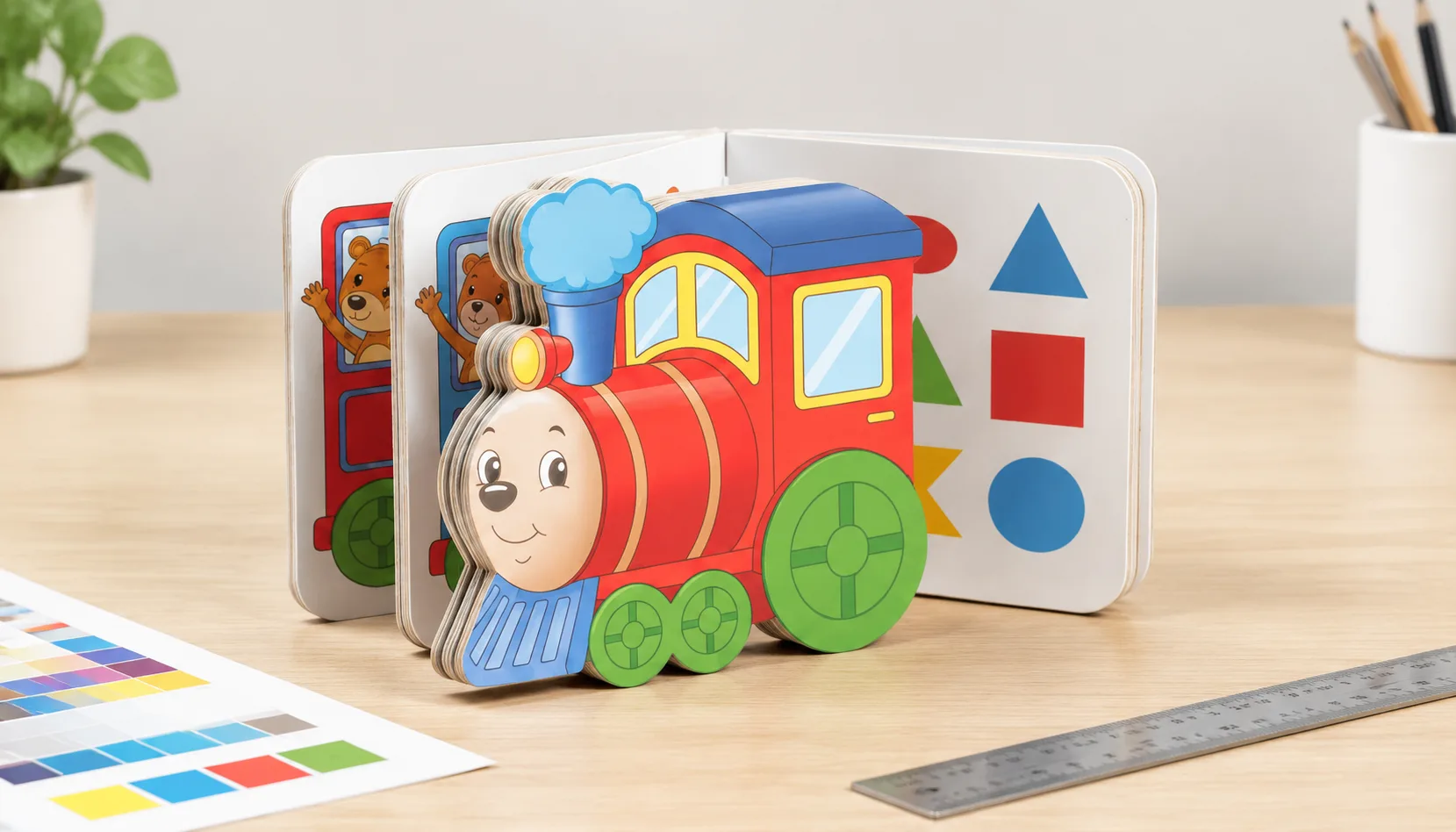
The cost of a custom shaped board book is based on the full production specification, not shape alone. The finished dimensions, number of board pages, die-cut outline, materials, order quantity, print and finishing requirements, proofing, packing, and delivery destination all affect the quotation.
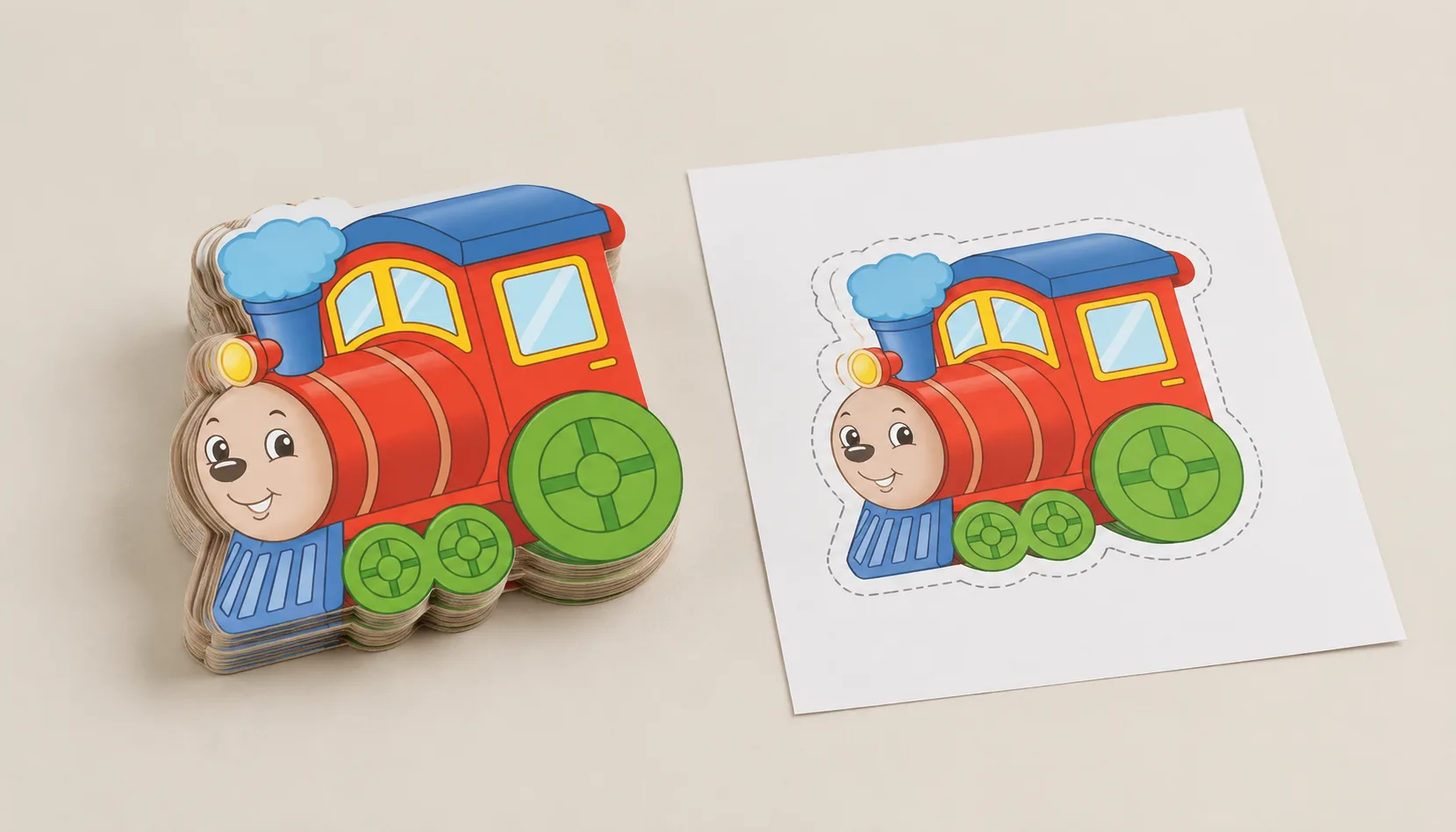
A simple book with a rounded silhouette and a more complex book with deep curves, narrow projections, or internal cut-outs may use different tooling and production approaches. A printer needs to review the shape and construction before confirming whether a design is practical and how it should be priced.
There is no reliable universal unit price without those details. A quote should state what is included, such as printing, board construction, die-cutting, finishing, packing, and freight, so you can compare proposals on the same basis. The information below is intended as a planning guide; the actual price and production schedule depend on the approved specification and destination.
The main cost factors in shaped board book printing
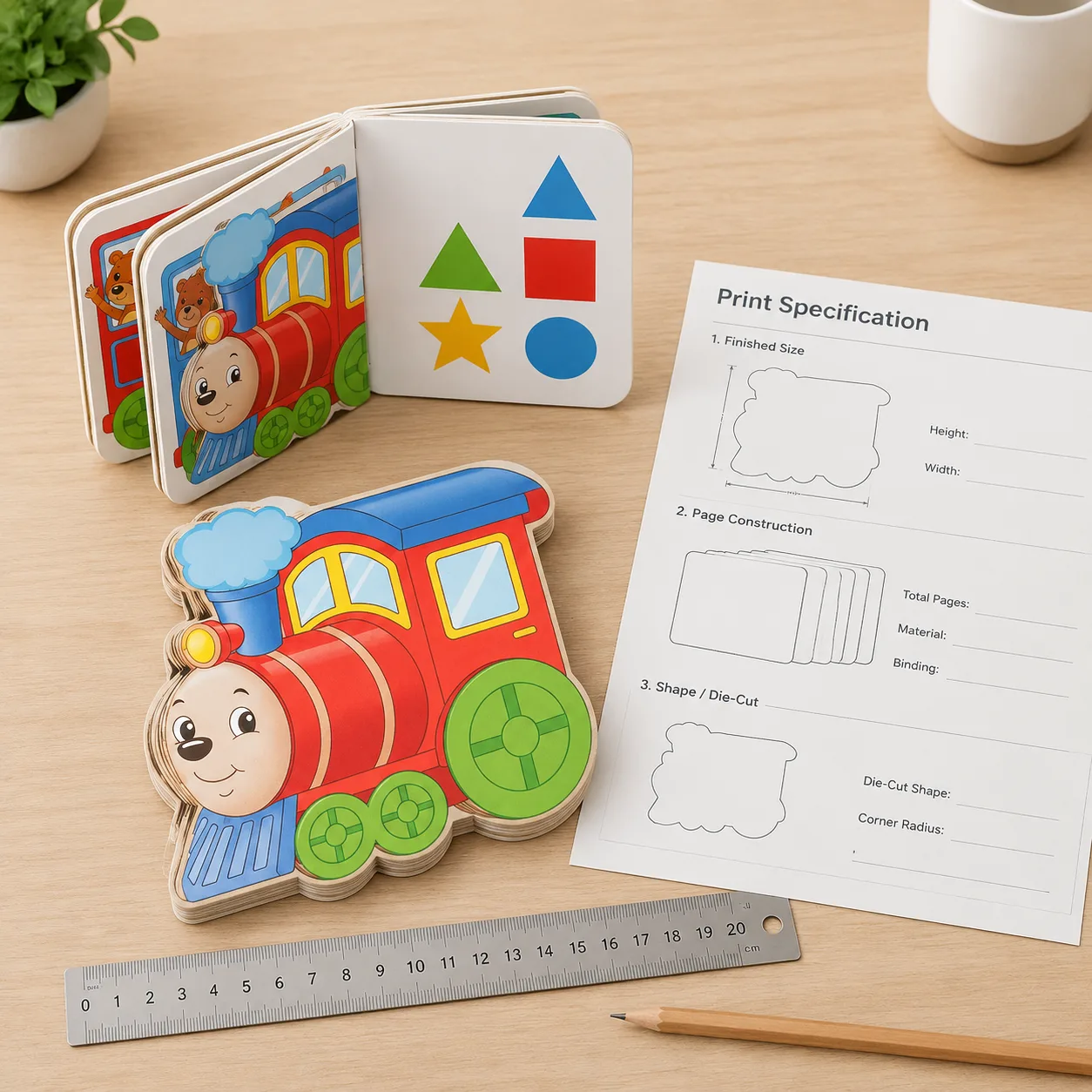
When estimating die cut board book printing cost, consider how each choice changes material use, setup, handling, or finishing. The biggest cost drivers are usually connected: a larger, thicker book with a complex outline may need more material and more careful production than a compact, simple format.
Finished size and die-cut outline
Overall dimensions affect the area of printed material and board required. The silhouette also matters. Broad, smooth curves are generally easier to plan around than narrow points, deep notches, or fragile projections. Very irregular outlines can affect how pages are nested on a sheet, the layout of cutting forms, and the way the finished book is handled. If the artwork has openings cut inside a page, identify those separately from the external shape so the printer can review the complete cutting plan.
Page count and board construction
Board books are assembled from printed surfaces mounted to a board core. More pages usually mean more material and additional assembly work. Specify whether your page count means printed sides, leaves, or spreads, because buyers and suppliers may use these terms differently. Board thickness, printed paper, and any protective coating can change both the feel and the total production cost.
For planning, review board book thickness, page count, and finished-size specifications alongside your design. This helps keep the physical format and artwork expectations aligned.
Quantity and production setup
Printing and converting involve setup work. The total order quantity affects how setup and tooling costs are distributed across copies, while the required quantity may also influence the appropriate production plan. Ask for the unit price and total order price at each quantity you are considering, and confirm whether the quotation includes any setup or tooling charge. Do not assume that a larger order is automatically the right choice: inventory, storage, and demand forecasts matter too.
Printing, coatings, and extra features
Full-colour printing, surface coatings, special cover effects, and additional components can alter the specification and quotation. Each feature should be discussed in context with the shape and intended use. For example, a coating may change surface appearance and handling, but the suitable option depends on the materials and production method. See board book materials and coating considerations when selecting these options.
Proofing, packing, and delivery
Proof type and approval steps can affect project cost and schedule. Confirm whether the quote covers a digital proof, a physical sample, or another approval stage. Packaging requirements and shipping destination affect the delivered cost; international freight, duties, and local taxes may be handled separately. Ask the supplier to identify which transport and import charges are included rather than comparing only the factory price.
Standard shape vs custom die-cut: a cost comparison
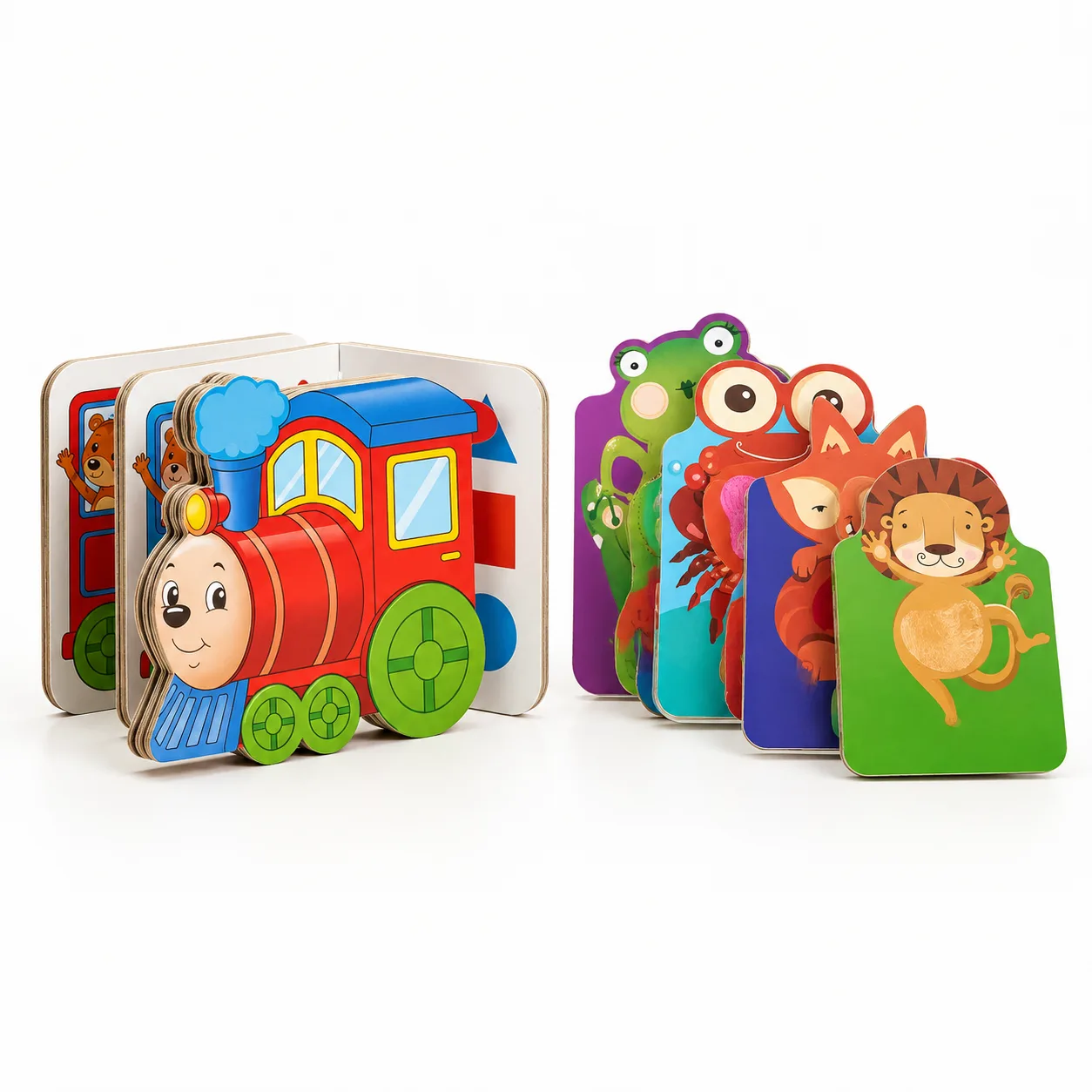
A custom silhouette can help a book match its subject or stand out on a shelf, but the visual benefit should be weighed against design and production requirements. This comparison is directional, not a price list: actual cost depends on the size, construction, quantity, and supplier process.
| Format choice | Typical production considerations | Cost planning implication | Useful when |
|---|---|---|---|
| Rectangular board book | Conventional outline; familiar layout and handling | Provides a straightforward baseline for specification comparisons | Page space, simple packing, and broad reuse are priorities |
| Rounded or simple shaped edge | Custom outside profile with relatively broad curves | Requires shape review and cutting setup; complexity depends on the outline | The shape supports the concept without intricate contours |
| Complex silhouette | Irregular contours, narrow features, or internal cut-outs may need closer review | May add design, tooling, handling, or material-layout considerations | The outline is central to the reading or product concept |
| Shape plus special finishing | Die-cut shape combined with coating, foil, or other effects | Each added process should be quoted and approved as part of the full specification | A specific finish is important to the intended presentation |
For a fair comparison, send the same page count, dimensions, quantity, board and finish preferences, proofing expectations, and destination with each inquiry. If you are still testing the concept, ask the printer to quote a simpler outline alongside your preferred silhouette. You can then compare the budget impact with the design benefit before locking the artwork.
Product options to compare for your project
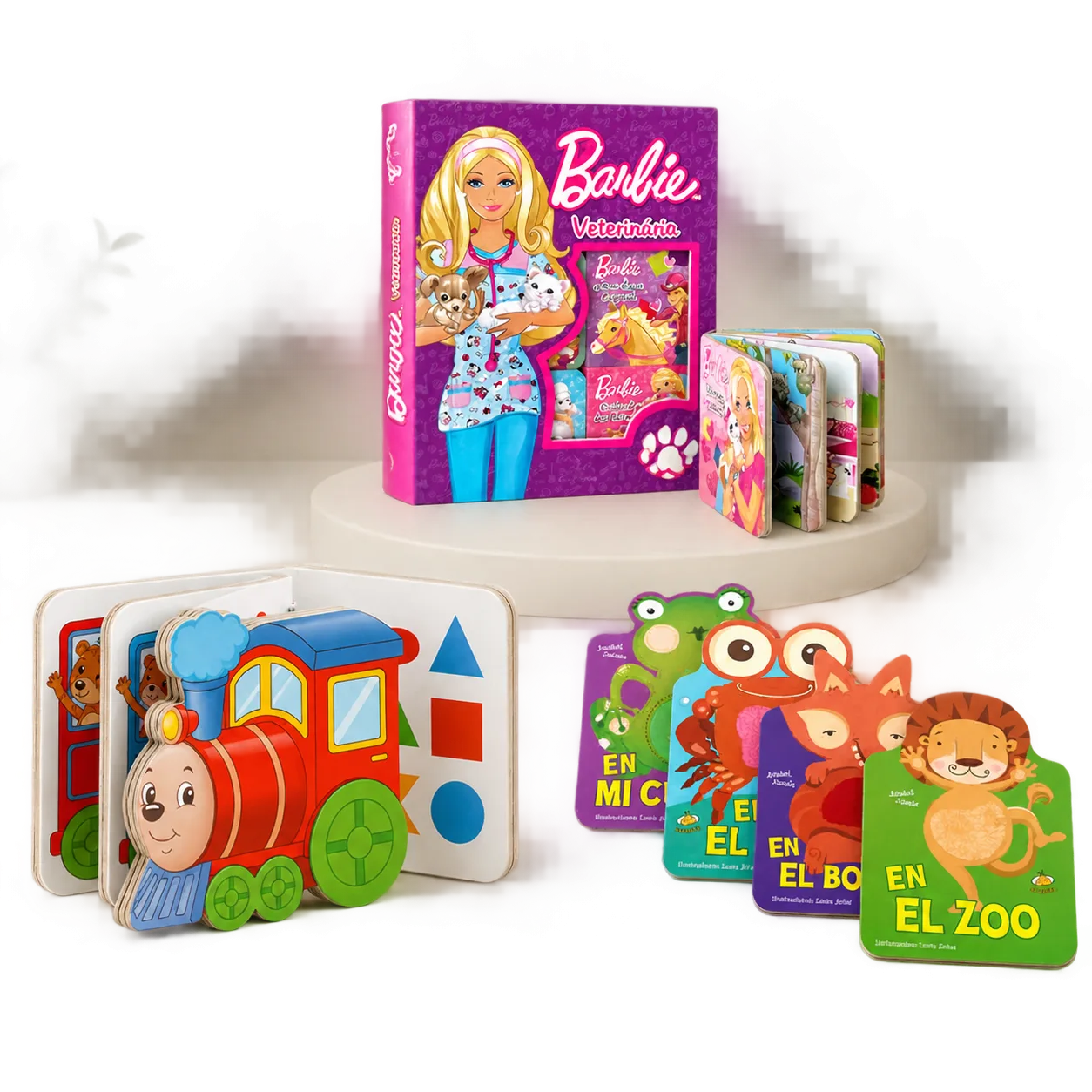
Use product examples to discuss format and construction with a printer, not as substitutes for a project-specific specification. These options are relevant starting points for buyers considering shaped children’s book printing.
| Product option | Best discussion point | When to consider it |
|---|---|---|
| Custom Die-Cut Shaped Board Book Printing Services | Review the proposed silhouette, page structure, dimensions, and artwork requirements. | Your concept depends on a custom outline and needs a specification review. |
| Children Die-cutting Creative Shaped Board Book | Discuss how a playful shaped format relates to the illustration and intended audience. | You are comparing a shaped children’s format with a conventional rectangular book. |
| Children’s Story Board Book Set Printing | Ask how a set format, multiple titles, and packaging affect the quotation. | Your project includes more than one board book or is planned as a collection. |
For a project built around a distinctive outline, begin with the custom die-cut option and share a sketch or dieline if available. A production team can then assess the shape with the intended board construction and finished dimensions.
Checklist for an accurate custom board book printing quote
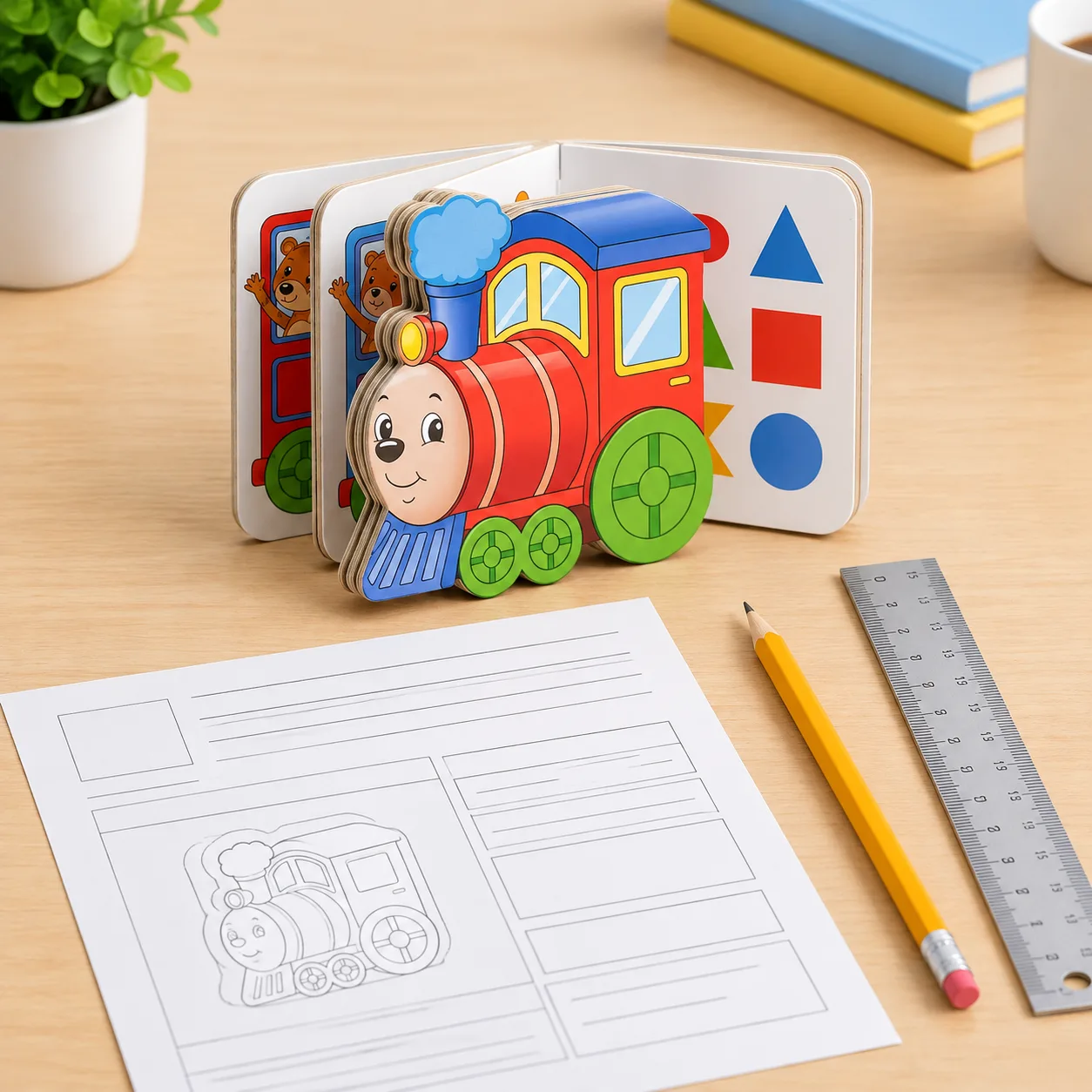
A complete brief helps a manufacturer assess the product consistently and identify questions before quoting. Send the following details, even if some are provisional:
- Product type: shaped board book, shaped story book, or a multi-book set.
- Trim size: finished width and height, plus a sketch or outline showing the intended shape.
- Page count: clarify leaves, printed sides, or spreads, and identify cover construction.
- Quantity: total copies and any alternative quantity levels you would like priced.
- Paper and binding preference: printed paper, board thickness or feel, and construction preferences if known.
- Finish: coating or other effects, with a note on which are essential and which are optional.
- File status: concept sketch, draft artwork, print-ready files, or dieline availability.
- Destination country: delivery country and, if known, postal code and preferred shipping method.
Also state the intended use, packaging needs, proof expectations, and target in-market date if relevant. These details help the supplier flag constraints, although a requested date is not a confirmed production or delivery commitment. Confirm the quote’s validity, included processes, payment terms, and whether freight, duties, or taxes are excluded.
If you do not yet have a dieline, provide a clear outline drawing with dimensions and indicate which areas are to be cut. Ask the printer to confirm the production template before final artwork preparation. The shape, safe area, and bleed need to work together; artwork should not be finalized against an assumed template.
How to manage cost without weakening the concept
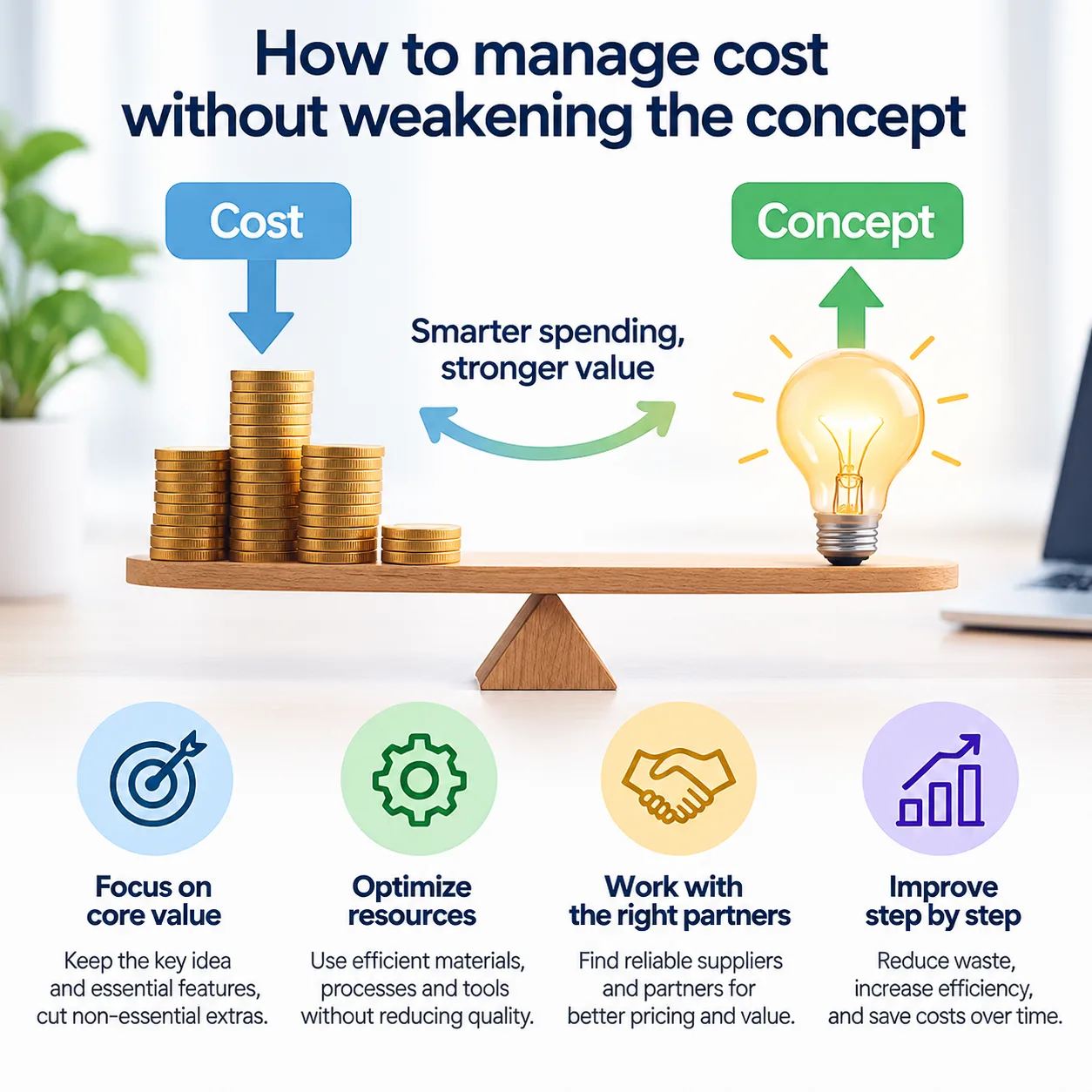
Budget control starts by separating must-have features from preferences. Keep the silhouette that communicates the concept, then look for flexibility in areas that do not define the product.
- Simplify the outline where practical. Review whether narrow projections or small internal cut-outs are essential to recognition or interaction.
- Set a deliberate size. Compare a compact format with a larger one using the same artwork and page plan.
- Review page count early. Combine or remove pages only where the reading experience remains clear.
- Prioritize finishes. Identify one or two effects that matter most instead of specifying every option at the concept stage.
- Compare quantities deliberately. Request tiered quotations, but weigh unit cost against storage, cash tied up in stock, and expected sales.
- Approve the construction before mass production. Resolve artwork, shape, materials, and proof questions early to reduce the risk of costly changes later.
Do not compare offers on unit price alone. Check that each quotation covers the same size, page count, board specification, die-cutting, finishes, proofing, packing, and shipping basis. Differences in assumptions can make two prices look comparable when they describe different products.
FAQ
Is a custom shaped board book more expensive than a rectangular board book?
It can be, because a custom outline requires die-cutting and may affect material layout or handling. The actual difference depends on the shape, book size, quantity, and other specifications. Request quotes for both formats using the same production details to compare them.
What information is needed for a die-cut board book printing cost estimate?
Provide the product type, finished dimensions and outline, page count, quantity, paper or board preferences, finish, file status, and delivery country. A sketch or existing dieline helps the printer assess the shape.
Does order quantity affect the cost per book?
Yes. Setup and production costs are distributed across the order, so the quoted unit price can vary by quantity. Ask for the total and unit price at each order level, and consider inventory and storage as well as unit cost.
Can I get a quote before my artwork is complete?
Usually, a preliminary estimate can be discussed from a clear specification and shape sketch. Final pricing may require confirmed dimensions, construction, artwork, and proofing requirements. Ask which assumptions the estimate uses and what could change it.
Does a custom board book quote include shipping and import charges?
Not necessarily. Confirm whether the quote includes packing, freight, duties, and local taxes. These costs depend on the destination and shipping arrangement, so request a clear breakdown for the delivery country.
Request a quote for your shaped board book
Share your product type, trim size and shape, page count, quantity, paper or binding preference, finish, file status, and destination country. YBJ Printing can review the specification and discuss a project-specific quotation. Any estimate will depend on the confirmed production details and shipping requirements.